
How to compare spray-dried egg powder specifications
A practical framework for comparing spray-dried whole egg, egg white, yolk and blends by identity, composition, moisture, microbiological criteria and application-specific function.
Read the guidePractical guides to ingredients, specifications, and the questions worth asking before you buy.
Better ingredients.
Better questions.
Stronger connections.
A practical framework for comparing spray-dried whole egg, egg white, yolk and blends by identity, composition, moisture, microbiological criteria and application-specific function.
Read the guideCompare rice starch composition and viscosity results in context: test preparation, moisture basis and instrument conditions determine whether reported values can be meaningfully compared.
Read the guide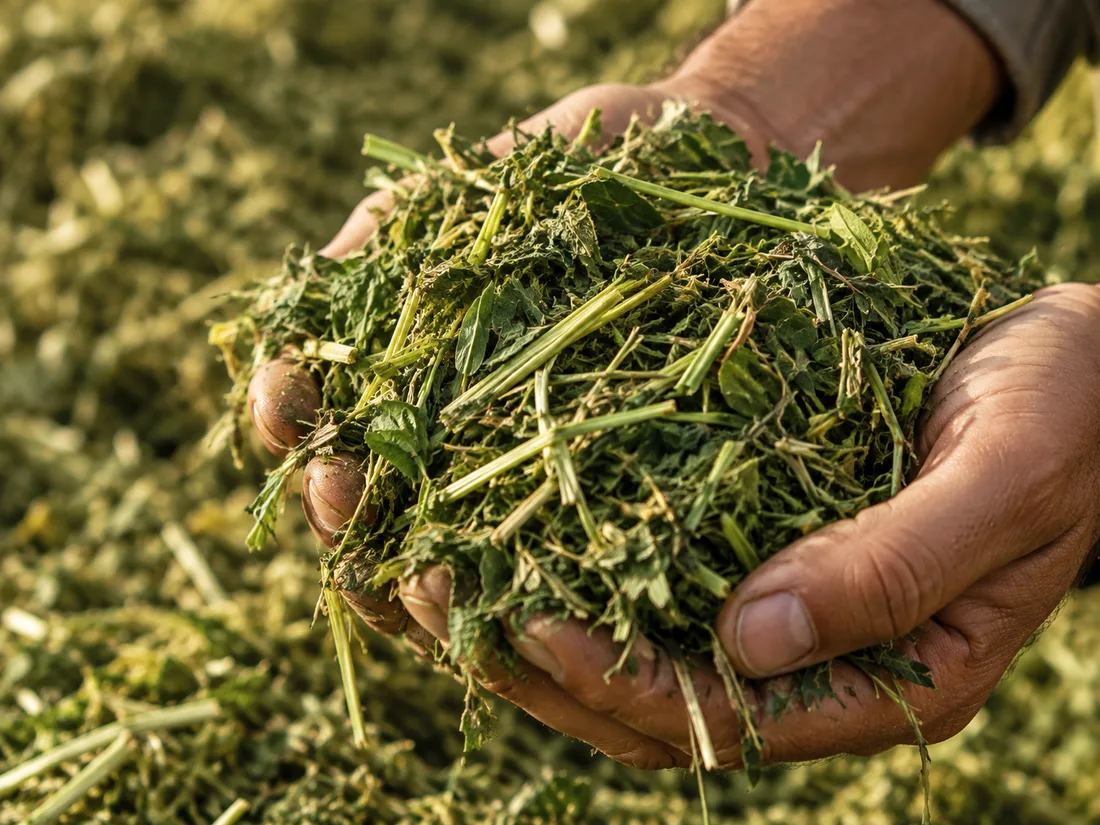
Soybean hulls can contribute digestible fiber energy in cattle rations, but they are not a one-for-one substitute for grain or effective forage. Understand the difference before considering a ration change.
Read the guideA practical guide to comparing porcine meat meal specifications: verify product identity and category, align analysis bases, then evaluate protein, fat, moisture, ash, calcium and phosphorus together.
Read the guideA practical guide to comparing kelp meal lots by species, iodine, moisture, particle size and test results—with attention to units, analytical basis and lot-specific evidence.
Read the guide“Raw peanut hearts” does not define whether an offer is for whole or broken kernels, or a separated germ fraction. Specify the product identity, processing, physical condition and lot-quality measures before comparing bulk offers.
Read the guideCompare oat flour by its finished-flour particle-size profile, test method, processing history and analysis basis. These details help buyers judge how a flour may blend, disperse and contribute to texture without treating a nominal grind or grain analysis as a complete specification.
Read the guideCompare tuna meal lots on a like-for-like analytical basis, then use lot-specific evidence on oxidation, nutrition, hygiene and contaminants to judge fit for your specification.
Read the guideGround corn contributes energy to swine rations, but its protein and mineral profile must be evaluated within the complete formula. Amino-acid balance, calcium, phosphorus, particle size and lot analysis all inform the nutritionist’s decision.
Read the guide
Plan bulk peanut granules delivery around the offered form, your site’s unloading setup and the lot’s own storage guidance.
Read the guideAssess chickpea protein for emulsified foods by looking beyond protein percentage: compare application-relevant test methods, account for processing and recipe conditions, and validate performance in the intended formulation.
Read the guideA practical comparison of skim milk powder specifications and lot certificates, with attention to the values, methods and product distinctions that matter when evaluating supplier offers.
Read the guideExplore ingredient specifications or share your volume, delivery needs, and buying requirements.