
Peanut meal in swine diets: what to evaluate in formulation
A practical look at how swine nutritionists can evaluate peanut meal’s protein, fiber, residual oil and amino-acid profile within a complete ration.
Read the guidePractical guides to ingredients, specifications, and the questions worth asking before you buy.
Better ingredients.
Better questions.
Stronger connections.
A practical look at how swine nutritionists can evaluate peanut meal’s protein, fiber, residual oil and amino-acid profile within a complete ration.
Read the guideProtein percentage is only a starting point when selecting whey protein concentrate for beverages. Compare grade composition and processing information, then test dispersion, texture and stability under your formula’s actual conditions.
Read the guide
Plan bulk roasted pickouts around the offered lot’s composition, your site’s receiving capabilities and lot-specific storage information. Establish packaging, unloading needs, pack date and shelf-life basis before the order is finalized.
Read the guideA practical receiving guide to bulk sweet whey in liquid, concentrated and powdered forms, with form-specific unloading, packaging and storage planning.
Read the guide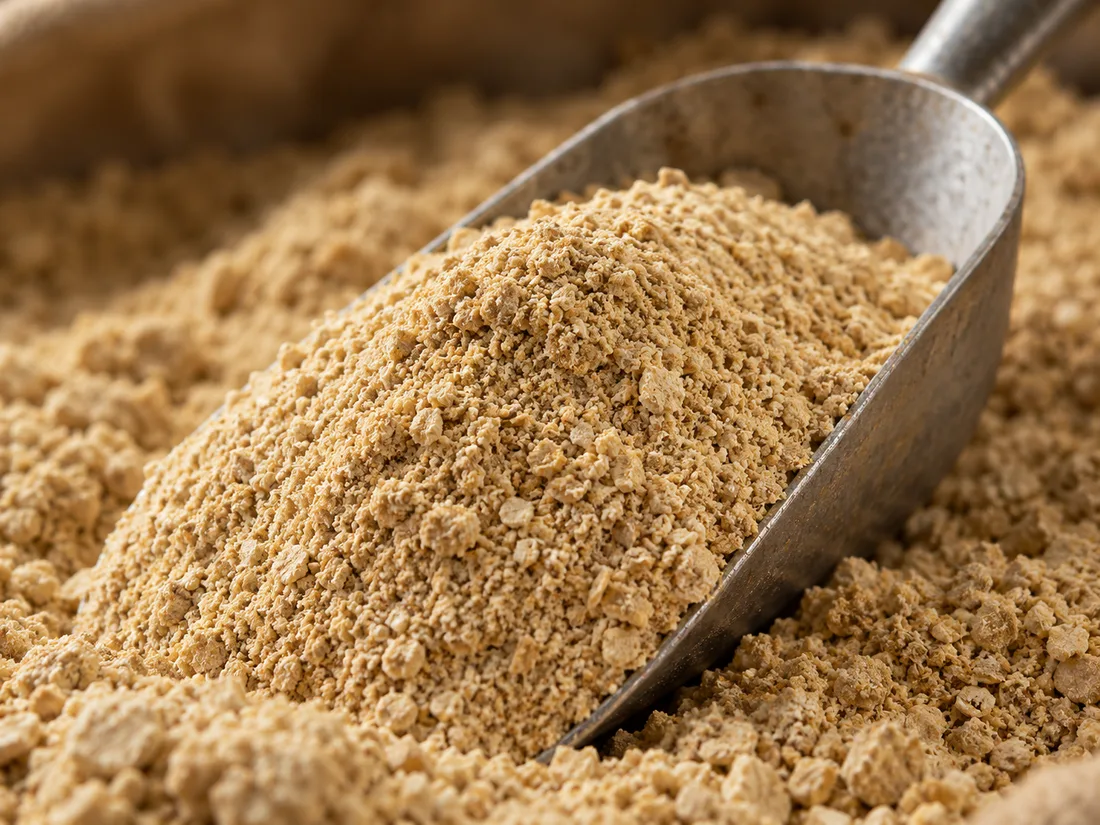
Soybean meal protein percentages reported as-fed and on a dry-matter basis cannot be compared directly. Align moisture, reporting basis, method information, and the context of each COA before evaluating supplier values.
Read the guidePlan avocado by-product shipments around the material’s form, moisture condition and your facility’s ability to receive and handle it. High-moisture pulp-and-peel material needs particular attention to exposure to air and timing; dried meal has distinct requirements that should be confirmed for the lot.
Read the guideFrame a sourcing conversation around formulation requirements, source consistency, and your delivery program.
Read the guideChoose whole, split or dehulled lentils according to the role, appearance and structure required in the finished food. This guide compares the forms for soups, stews, casseroles and salads, and explains which details to define in a bulk specification.
Read the guideCompare whole, split, dehulled and milled green lentils by seed structure and particle form, then specify the option that fits your cooked-food or ingredient process.
Read the guidePlan bulk green bean receiving by form: fresh beans need suitable produce storage, frozen beans need freezer capacity, and canned beans need intact packaging and storage directed by the product instructions.
Read the guideProtein basis, kernel vitreousness and semolina tests describe different aspects of durum wheat quality. Understand what each measure can—and cannot—tell you before comparing lots for pasta milling.
Read the guideCompare fresh, frozen, canned and dried green peas by processing, handling needs and the work each form requires in a food operation.
Read the guideExplore ingredient specifications or share your volume, delivery needs, and buying requirements.