
What to evaluate when selecting peanut oil for frying
Compare peanut oil processing descriptions, fatty-acid profiles and oxidation measures to define quality criteria for your frying operation.
Read the guidePractical guides to ingredients, specifications, and the questions worth asking before you buy.
Better ingredients.
Better questions.
Stronger connections.
Compare peanut oil processing descriptions, fatty-acid profiles and oxidation measures to define quality criteria for your frying operation.
Read the guideU.S. durum grade describes grain condition under official grading factors, while subclass classifies the proportion of hard, vitreous kernels. Mill buyers need both context and separate, lot-relevant analyses to build a complete milling specification.
Read the guide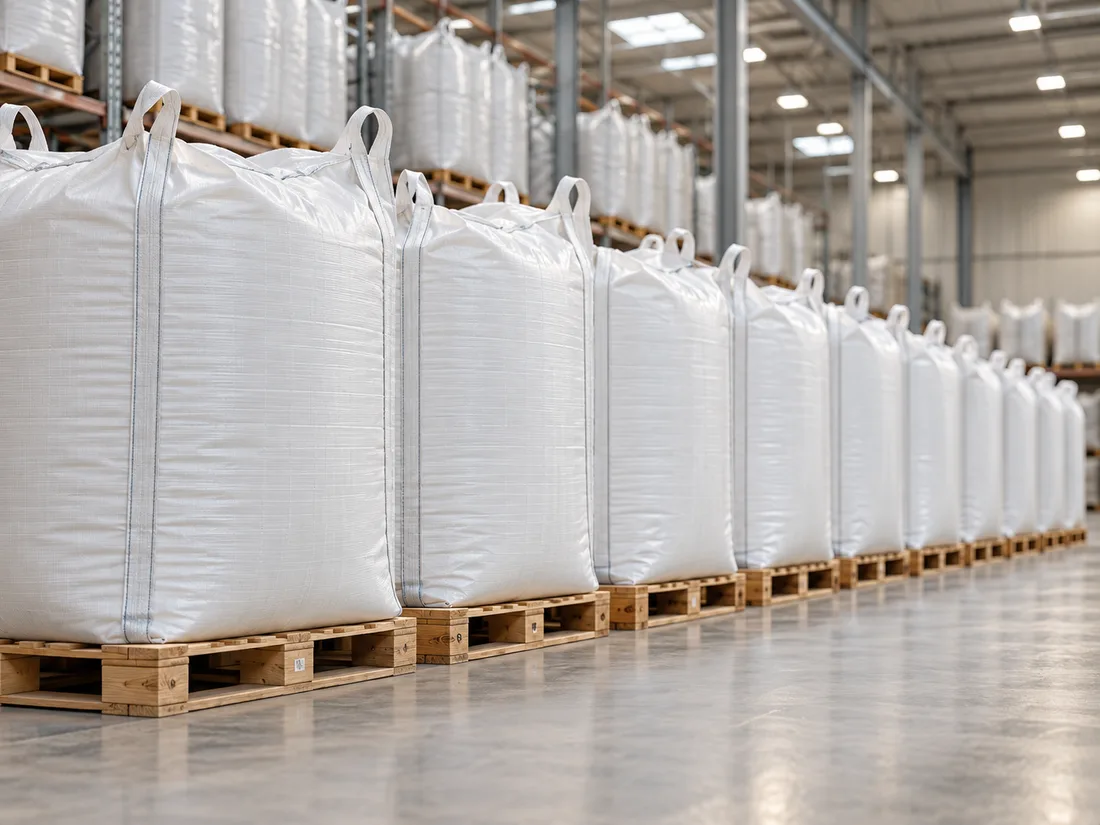
Plan bulk mixed tree nuts receiving around species, shell status, product form, unloading compatibility, and protection from moisture, pests, mold, and oxidation.
Read the guideChoose carrot powder for a beverage by distinguishing tissue powder from juice-derived powder, comparing carrot solids and carrier composition, and testing dispersion and texture under your actual mixing conditions.
Read the guideChoose pumpkin seed ingredients for food formulations by distinguishing whole seeds, kernels, oil-retaining ground meal and defatted flour. Processing and documentation matter as much as the product name.
Read the guide
Plan bulk coconut oil delivery around the specific lot’s temperature instructions, the shipment setup and your facility’s unloading and storage capabilities.
Read the guidePeanut hull pellets supply processed fiber, but their compact form is not equivalent to long-stem hay. Understand the physical-fiber distinction and discuss the pellets’ role in the full cattle ration with a ruminant nutritionist.
Read the guideCompare raspberry pomace analyses by matching the residue, processing history and reporting basis before interpreting moisture, protein, fat, fiber, ash or particle-size results.
Read the guideCompare beet pulp pellet offers by molasses status and lot-specific analysis. Moisture or dry matter, protein, fiber fractions, energy estimates and minerals are useful only when their basis and context are clear.
Read the guideReceiving and storage plans for bulk mushrooms depend on whether the product is fresh, dried, powdered or extracted. Match packaging and unloading to your facility, and rely on the exact product specification for storage directions and shelf life.
Read the guidePlan a bulk watermelon seed meal order by defining the product and arranging compatible receiving and storage. Product-specific handling directions matter because no universal shelf life or storage limit is established.
Read the guide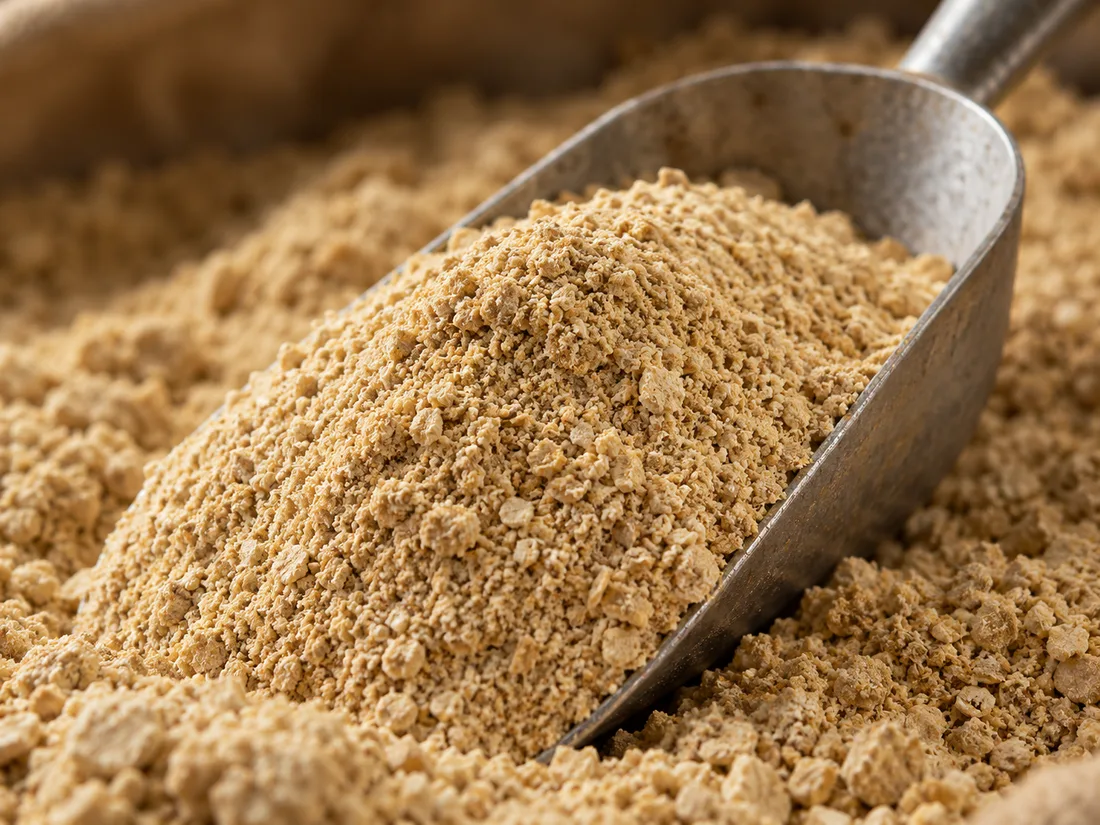
A dairy ration decision starts with the complete diet: forage, animal group, other protein sources, and the nutritionist’s nutrient and amino-acid targets. This checklist explains how to evaluate soybean meal’s role and what offer details to discuss before sourcing.
Read the guideExplore ingredient specifications or share your volume, delivery needs, and buying requirements.