
Using bone meal in animal-feed formulations
A practical guide to evaluating bone meal’s calcium and phosphorus contribution in the complete ration, while accounting for product source, processing form and intended animal.
Read the guidePractical guides to ingredients, specifications, and the questions worth asking before you buy.
Better ingredients.
Better questions.
Stronger connections.
A practical guide to evaluating bone meal’s calcium and phosphorus contribution in the complete ration, while accounting for product source, processing form and intended animal.
Read the guide
Compare receiving and storage considerations for whole, cut and roasted bulk almonds. Learn why form, moisture protection, oxygen exposure, packaging and facility conditions should shape your handling plan.
Read the guideChoose cashew pieces by the appearance, texture and distribution you want in the finished product. A clear description of fragment size, acceptable fines and processing state helps align a bakery or confectionery formulation with a defined bulk ingredient format.
Read the guideCompare spray-dried porcine plasma offers by verifying ingredient identity, reading crude protein and ash alongside their measurement basis, and separating guaranteed limits from lot-specific results.
Read the guidePoultry fat contributes energy to poultry feed and can influence dust, particle coating, palatability and manufacturing lubrication. Its value depends on the lot analysis, complete ration and plant process.
Read the guideNyjer press cake is the solid co-product of oil extraction, not whole Nyjer seed. Learn how processing identity, physical form, and use-specific analysis shape feed evaluation.
Read the guideCompare clear flour by separating the milling-grade label from the lot’s ash and protein results. Reporting basis, analytical method, and intended baking function all matter.
Read the guideChia gel can contribute hydration-related thickening and binding in bakery formulas, but it behaves differently from whole or milled seed and does not universally replace egg or fat. Learn what to define and test before choosing a bulk ingredient form.
Read the guideCompare poultry meal offers by first aligning ingredient identity and analytical basis, then reviewing protein, fat, ash, moisture and mineral values together. Use the lot analysis to check the shipment under consideration, and request amino-acid or digestibility detail when it informs the formulation.
Read the guideA practical framework for evaluating a Maple Peas lot in a livestock ration: compare current nutrient data on a consistent basis, account for species and processing, and assess the ingredient as part of the complete formulation.
Read the guide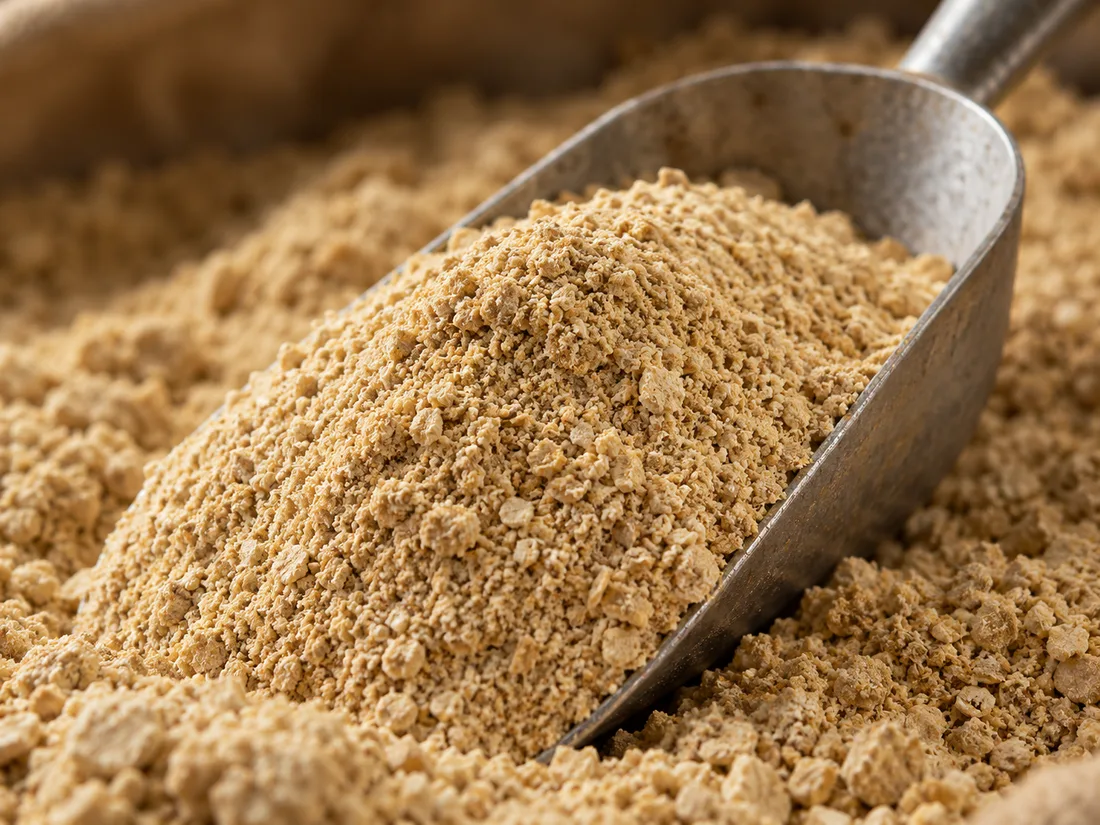
Soybean meal protein percentages reported as-fed and on a dry-matter basis cannot be compared directly. Align moisture, reporting basis, method information, and the context of each COA before evaluating supplier values.
Read the guideCompare rice bran offers by identifying the milling fractions and reading moisture, crude protein, crude fat and fibre results on a consistent analytical basis.
Read the guideExplore ingredient specifications or share your volume, delivery needs, and buying requirements.