Grains
Alfalfa
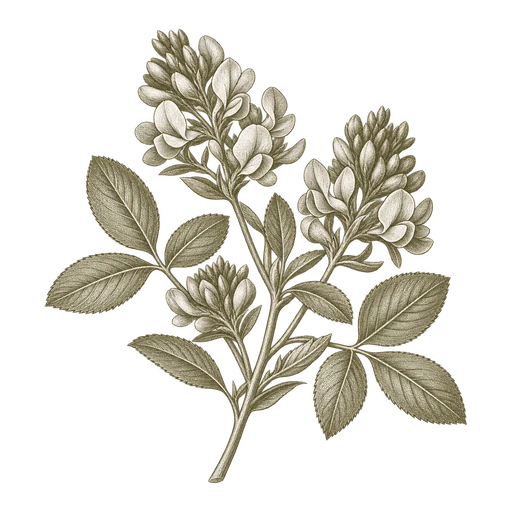
Alfalfa is a forage legume sourced as hay, silage, meal or pellets for livestock feed. Match the form to receiving and ration needs, then compare a lot-specific analysis on a consistent basis.
Explore ingredientCompare rice bran offers by identifying the milling fractions and reading moisture, crude protein, crude fat and fibre results on a consistent analytical basis.
A rice bran analysis is meaningful only when you know which milling fraction was sampled. Ask whether the offer is bran alone or a blend that includes rice polishings, hulls, or other milling material. A product name by itself may not describe that composition precisely enough for a fair comparison.
Rice bran is separated from the kernel during milling. Polishings are fine material removed as rice is polished, and hulls are the outer covering removed earlier in processing. These fractions differ in composition: polishings can contribute more residual kernel material, while hull inclusion can raise the proportion of fibrous material and change the overall nutrient profile. A blended product may therefore analyze differently from bran alone even when both are sold under a similar name.
Request a written blend or material description alongside the analysis. It should identify the included fractions and clarify whether the description applies to the tested lot. That lets your formulator judge whether two offers represent comparable ingredients, rather than treating every product called rice bran as interchangeable.
Moisture, crude protein, crude fat and fibre are useful comparison fields, but the numbers are not directly comparable unless the reporting basis and analytical definitions match. One important distinction is as-fed versus dry-matter reporting. As-fed results describe the ingredient with its measured moisture; dry-matter results adjust for water. Comparing one basis with the other can make the same material appear to have different nutrient concentrations.
Moisture matters both for interpreting the nutrient figures and for receiving and storing the ingredient. If moisture differs between lots, as-fed protein, fat and fibre values can shift partly because of that difference. Ask which basis is used for each result and whether the report identifies moisture separately.
Check what the report means by “fibre.” Crude fibre is not interchangeable with detergent fibre measures such as neutral detergent fibre (NDF) or acid detergent fibre (ADF). These methods measure different fractions, so a fibre figure without a named method may not answer the comparison your formulation requires. Use the same method and reporting basis when evaluating competing lots.
Crude protein and crude fat can help distinguish lots, but neither value identifies the milling fraction on its own. The proportions of bran, polishings and hulls influence the overall analysis, and processing or blending can also contribute to variation. A higher or lower figure should prompt a closer look at the material description and test conditions, not an assumption about what fraction is present.
For a useful comparison, put the values side by side with the same units, analytical basis and test method. Note whether the laboratory report gives results as received or on a dry-matter basis, and whether the protein, fat and fibre methods are stated. If your formulation has a threshold, define whether it applies to the as-fed material or dry matter; the distinction affects how the requirement is assessed.
An analysis should be tied to the material being offered. Verify that the report identifies the lot or batch, gives a test date, and describes the blend represented by the sample. A report with no clear link to the lot may describe a different production run or a general product target rather than the shipment under consideration.
Separate measured results from contractual limits. A test result reports what was found in a sample; a stated threshold describes a requirement the material is expected to meet. If an offer lists thresholds, clarify which fields they apply to, the basis and methods used, and how the reported lot results relate to those limits. Do not infer a standard rice bran value where none has been supplied.
Before requesting a quote, define the fraction or blend you need, the analysis fields and methods that matter, and any acceptable limits. Then use the Rice Bran page to source an offer against those requirements. The page provides the route to discuss sourcing; lot-specific composition and commercial terms belong to the particular offer.
Ask for a written description of the material and any blend fractions, then compare that description with the lot-linked analysis. The product name alone may not specify whether the offer is bran alone or includes polishings or hull-containing material.
The reports may cover different milling fractions or blends, use different test methods, or report results on different bases. Check the lot description, analytical method and whether results are as-fed or on a dry-matter basis before comparing values.
No. Crude fibre, NDF and ADF are different analytical measures. Compare results that use the same fibre method and reporting basis, and specify the method relevant to your formulation.
Focused guides to the specification, application, and delivery questions behind this ingredient.
Plan bulk rice bran receiving and storage around the product’s fat content, stabilization method, packaging and your facility’s capabilities. Full-fat and defatted bran differ in oil content, but neither form should be assigned a shelf life without product-specific guidance.
Read this InsightHow rice bran form, fiber analysis and feed processing shape its role in aquaculture diets—and why pellet water stability must be evaluated for the specific formulation.
Read this InsightAlfalfa is a forage legume sourced as hay, silage, meal or pellets for livestock feed. Match the form to receiving and ration needs, then compare a lot-specific analysis on a consistent basis.
Explore ingredientAlfalfa meal is ground forage used in animal feed, with sun-cured and dehydrated processing routes and meal or pellet forms. Compare the offered process, physical form and analysis against the needs of the species and feed formulation.
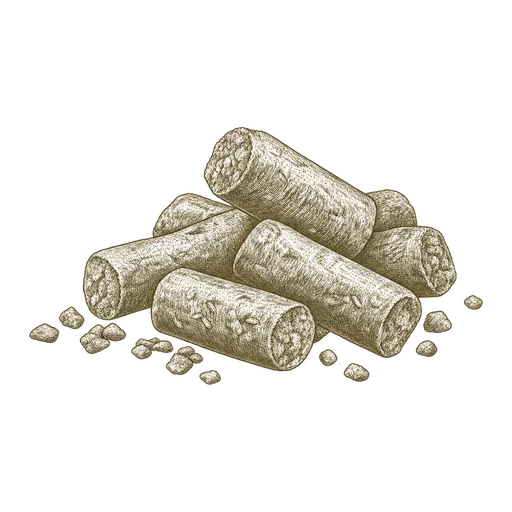
Explore ingredientAlfalfa pellets are ground, compressed forage used in livestock feeding and compound feeds. Compare the drying process, alfalfa material, forage analysis and pellet characteristics to choose a form that fits your ration and receiving setup.
Explore ingredientAlmond hulls are the dried outer layer of the almond fruit, sourced for ruminant feed as hull-only material or as a hull-and-shell mixture. Compare the lot’s composition, physical form, and handling needs before arranging a bulk shipment.
Explore ingredient