
How to compare spray-dried egg powder specifications
A practical framework for comparing spray-dried whole egg, egg white, yolk and blends by identity, composition, moisture, microbiological criteria and application-specific function.
Read the guidePractical guides to ingredients, specifications, and the questions worth asking before you buy.
Better ingredients.
Better questions.
Stronger connections.
A practical framework for comparing spray-dried whole egg, egg white, yolk and blends by identity, composition, moisture, microbiological criteria and application-specific function.
Read the guideCompare peanut split size, fragments, roasting condition, and blanching to specify an input that matches your peanut butter process.
Read the guide
Liquid and dried bovine plasma call for different receiving arrangements. Match the offered form and packaging to your unloading equipment, destination and storage capacity, then use the product-specific written directions to plan handling.
Read the guideRice protein’s limited water solubility can complicate beverage formulation. Separate solubility from dispersion and suspension, then evaluate the specific product in your recipe and process before making a bulk sourcing decision.
Read the guidePlan whey protein concentrate receiving around your facility’s packaging and unloading capabilities, then protect the powder in dry storage and manage stock using the offered lot’s date information and directions.
Read the guide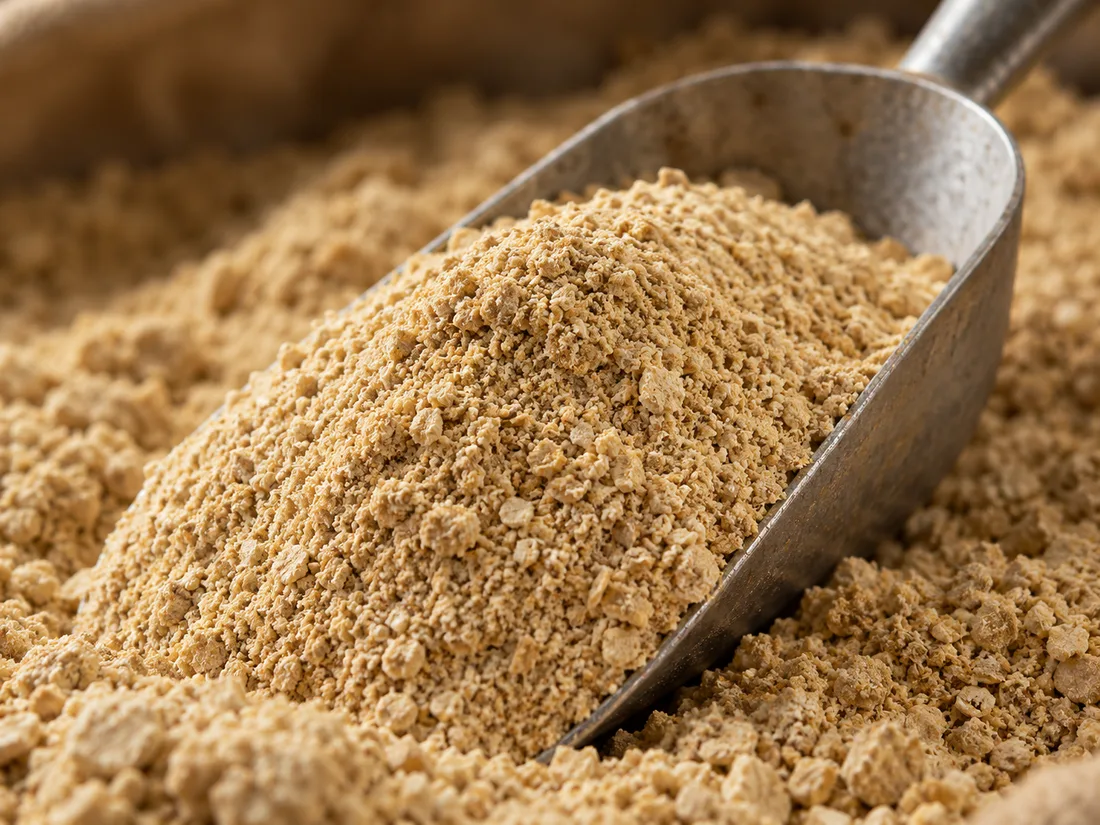
Soybean meal protein percentages reported as-fed and on a dry-matter basis cannot be compared directly. Align moisture, reporting basis, method information, and the context of each COA before evaluating supplier values.
Read the guideA practical guide to interpreting moisture, protein, fiber and selected antinutritional-factor tests when evaluating common vetch seed for feed.
Read the guideSeed, meal, oats, nuts and dried fruit can affect suet cake mixing and molding in different ways. Compare ingredient forms in the intended process, then source components to match the formulation and receiving setup.
Read the guide
Compare receiving and storage considerations for whole, cut and roasted bulk almonds. Learn why form, moisture protection, oxygen exposure, packaging and facility conditions should shape your handling plan.
Read the guide
A practical guide to interpreting moisture, dry matter and nutrient values in cabbage feed, with a focus on comparing like streams and current lot analyses.
Read the guidePlan bulk spelt receiving around the exact form—hulled grain, kernels, flour or hull fraction—and align quantity, destination, packaging and storage with your facility.
Read the guideBefore considering cull onions in a cattle ration, assess the specific lot’s form, condition, dry matter and nutrient analysis alongside the complete diet and onion-specific safety concerns. Historical trial levels are not general feeding recommendations.
Read the guideExplore ingredient specifications or share your volume, delivery needs, and buying requirements.