
Planning bulk receiving and storage for canola meal
Plan bulk canola meal receiving around the form your equipment can handle, the shipment details your site requires, and storage conditions appropriate to the offered product.
Read the guide
Practical guides to ingredients, specifications, and the questions worth asking before you buy.
Better ingredients.
Better questions.
Stronger connections.
Plan bulk canola meal receiving around the form your equipment can handle, the shipment details your site requires, and storage conditions appropriate to the offered product.
Read the guideDry-matter and as-sold protein percentages describe the same material on different bases. Learn how moisture affects the calculation and what to align across a whey protein isolate 90 specification and lot COA.
Read the guideA useful color specification distinguishes oat hull appearance from visible groat appearance, defines how the agreed criterion will be assessed, and keeps color separate from identity and composition results.
Read the guidePearling affects barley’s kernel, cooking behavior and nutrient retention. Learn how to evaluate the form for cooked dishes and when its distinct texture can suit a rice-style application.
Read the guide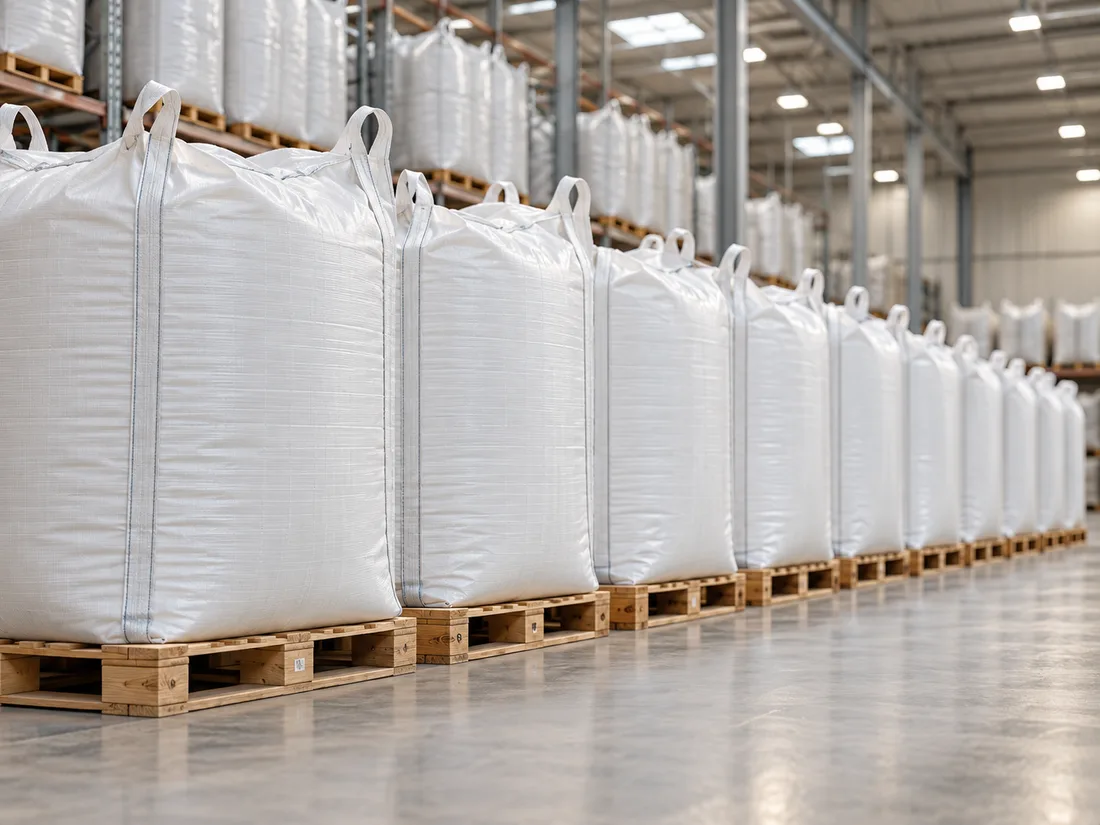
Plan bulk hazelnut receiving around the kernel form, package, unloading setup and storage conditions. Roasted kernels and pieces call for deliberate exposure management, with lot-specific shelf-life and handling instructions guiding storage.
Read the guidePlan bulk pistachio receiving around the offered form and packaging, then protect the product from damp conditions and unnecessary exposure to air, warmth and light.
Read the guidePineapple pulp carries fruit solids that can contribute texture; juice is a liquid ingredient. Compare the specific product’s physical form, processing, and receiving needs against your formulation before sourcing.
Read the guidePlan bulk milk thistle seed receiving around the botanical identity, exact product form, order details, facility constraints, and storage guidance for the offered lot.
Read the guideEvaluate vegetable pomace for livestock feed by identifying its vegetable source and process, interpreting moisture and nutrient analysis on a clear basis, and having a nutrition professional assess it for the target animals and complete ration.
Read the guideCompare beet pulp shreds and pellets for horse-feed preparation, and understand how dry versus rehydrated use affects handling and what product information a nutrition professional needs.
Read the guideA practical guide to assessing sunflower kernel chip size, grade, fines and cleanliness for bird-feed blends, while distinguishing a supplier’s intended-use designation from formulation-specific suitability.
Read the guideCompare dried mealworms protein results on a consistent moisture basis, and interpret each value alongside its nitrogen conversion factor and analytical method.
Read the guideExplore ingredient specifications or share your volume, delivery needs, and buying requirements.