Grains
Alfalfa
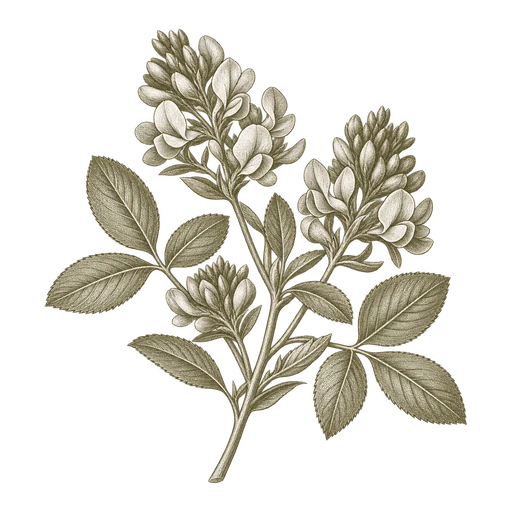
Alfalfa is a forage legume sourced as hay, silage, meal or pellets for livestock feed. Match the form to receiving and ration needs, then compare a lot-specific analysis on a consistent basis.
Explore ingredientPearling affects barley’s kernel, cooking behavior and nutrient retention. Learn how to evaluate the form for cooked dishes and when its distinct texture can suit a rice-style application.
Pearled barley is barley that has been processed to remove some or most of its outer layers. The degree of pearling matters in the kitchen: kernels with more of the outer material removed can cook differently from less-processed kernels, and the amount removed also affects what remains in the grain.
That tradeoff is important for food manufacturers choosing a cooked-grain ingredient. Removing outer layers also removes some nutrients, including components concentrated in those layers. Pearled barley should therefore not be treated as interchangeable with a less-processed barley form when whole-grain character or nutrient composition is part of the product brief.
The amount of pearling can relate to cooking time and the character of the cooked kernel. More extensive removal of the outer layers generally changes how the kernel hydrates and cooks, but processing labels alone do not establish an exact cooking schedule. Kernel size, the actual degree of processing and the production method can all matter.
For a prepared-food operation, evaluate the offered barley in the process it will actually encounter. A batch intended for a grain bowl, soup or chilled salad may need a different finished texture from barley served as a soft side dish. Run a product-specific cook test before setting water ratios, cook cycles or line instructions; do not transfer timings from another barley lot or form without checking the result.
Cooked barley has a distinct grain character and a pleasantly chewy texture. It can bring more structure to a dish than a tender, soft-cooking grain. That can be useful when a recipe benefits from visible kernels and a substantial bite, but it may be a mismatch when the target is the neutral flavor and texture of a particular rice variety.
A rice-style role is best understood as a recipe option, not a one-for-one technical substitution. Pearled barley can serve as the cooked grain in pilaf-style dishes, grain bowls or side dishes where its shape and chew suit the formulation. Before replacing rice, compare the finished dish for flavor, texture, appearance, hydration and the way the grain holds up through any cooling, reheating or holding step.
For a side dish or pilaf-style preparation, intact kernels make barley the central grain, so kernel appearance and a consistent cooked texture are especially important. For soups and mixed dishes, the barley is part of a broader texture; the recipe’s cooking sequence and the time the product spends in liquid become key process questions.
In chilled salads and prepared grain bowls, assess the barley after cooling as well as immediately after cooking. The texture that works hot may not deliver the desired bite once the dish is chilled or combined with other ingredients. These are formulation decisions to test with the actual product rather than assumptions based on the name “pearled barley.”
When comparing bulk offers, distinguish the degree of pearling from the finished cooking result you need. Ask for a clear product description and any available information about processing and kernel characteristics. If nutrition composition matters to the recipe or label, use product-specific analysis rather than assuming that all pearled barley has the same composition.
Set the intended dish, target texture and cooking process first, then evaluate the available form against those requirements. The Pearled Barley sourcing page is the natural next step once you have defined the kernel form and application you want to source.
It can. Removing more of the outer layers changes the kernel and can affect hydration and cooking behavior. The exact process should be established with the specific product, since the label alone does not provide a dependable cook time.
It can fill a cooked-grain role in recipes where barley’s distinct flavor and chewy texture fit. It is not a texture-neutral substitute for every rice application, so compare the finished recipe for flavor, appearance, hydration and texture.
Yes. Removing outer layers also removes some nutrients found in those layers. The amount depends on the product’s processing, so use product-specific information when nutrient composition is important to the formulation.
Focused guides to the specification, application, and delivery questions behind this ingredient.
Plan bulk pearled barley receiving around the material, site capacity and storage protections. Define the quantity, destination, packaging and unloading needs, then keep the grain dry, clean and identifiable after receipt.
Read this InsightA practical guide to defining pearled barley by processing description, kernel dimensions, moisture, broken kernels and foreign material—and matching lot documentation to your food process.
Read this InsightAlfalfa is a forage legume sourced as hay, silage, meal or pellets for livestock feed. Match the form to receiving and ration needs, then compare a lot-specific analysis on a consistent basis.
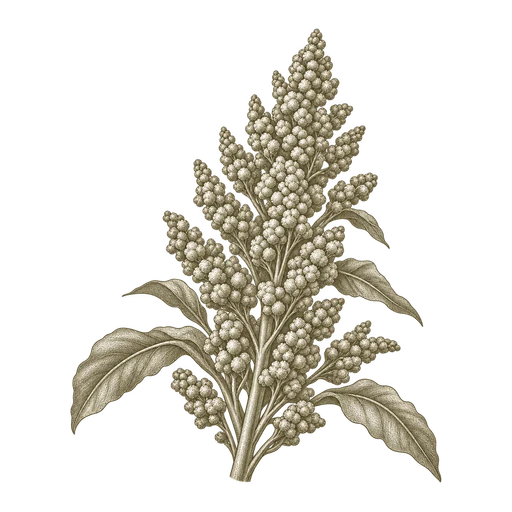
Explore ingredientAmaranth can be sourced as grain, leaf meal or whole-plant forage, and those forms are not interchangeable in feed formulation. Specify the plant material, species and processing method, then compare lot analysis suited to the intended animal and use.
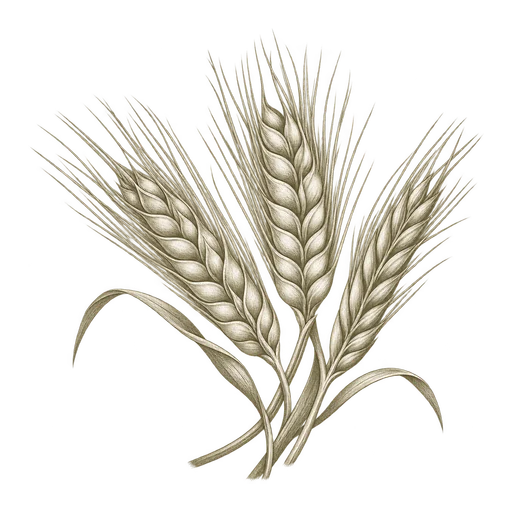
Explore ingredientBarley is a cereal grain used in cattle feed, malting, food and industrial processing. Whole and processed forms serve different needs; identify the intended use, processing state and receiving requirements when sourcing a bulk order.
Explore ingredientBrewers rice is a broken-rice milling fraction used in brewing, fermented products and animal feed. Compare broken, granulated or ground forms and review lot-specific physical and analytical details before sourcing in bulk.
Explore ingredient