
How to compare canola meal analysis and processing
Compare canola meal analyses on a consistent basis, and account for how solvent extraction or mechanical pressing affects residual oil and interpretation of the lot’s composition.
Read the guidePractical guides to ingredients, specifications, and the questions worth asking before you buy.
Better ingredients.
Better questions.
Stronger connections.
Compare canola meal analyses on a consistent basis, and account for how solvent extraction or mechanical pressing affects residual oil and interpretation of the lot’s composition.
Read the guidePork meal can contribute protein and energy to swine diets, but its formulation value depends on the offered meal’s identity, bone-related mineral profile and analysis. Compare lot-relevant data on a consistent basis rather than assuming a research sample or generic matrix describes every product.
Read the guide
Plan a catfish meal order around your facility's quantity, receiving method and timing, then align packaging, handling guidance and any required lot-specific testing before delivery.
Read the guidePlan peanut meal receiving records that connect each aflatoxin result to the identified lot, document test and moisture details, and account for feed use, packaging and facility constraints.
Read the guideA practical comparison of bulk macadamia kernel specifications, including analysis basis, kernel style, defects and processing status.
Read the guideAnimal plasma is reported to contribute binding and emulsifying functionality, making it relevant to assess in wet pet-food formulations. Learn how to distinguish broad plasma evidence from bovine-specific product information before a formulation trial or bulk sourcing inquiry.
Read the guideHow rice bran form, fiber analysis and feed processing shape its role in aquaculture diets—and why pellet water stability must be evaluated for the specific formulation.
Read the guide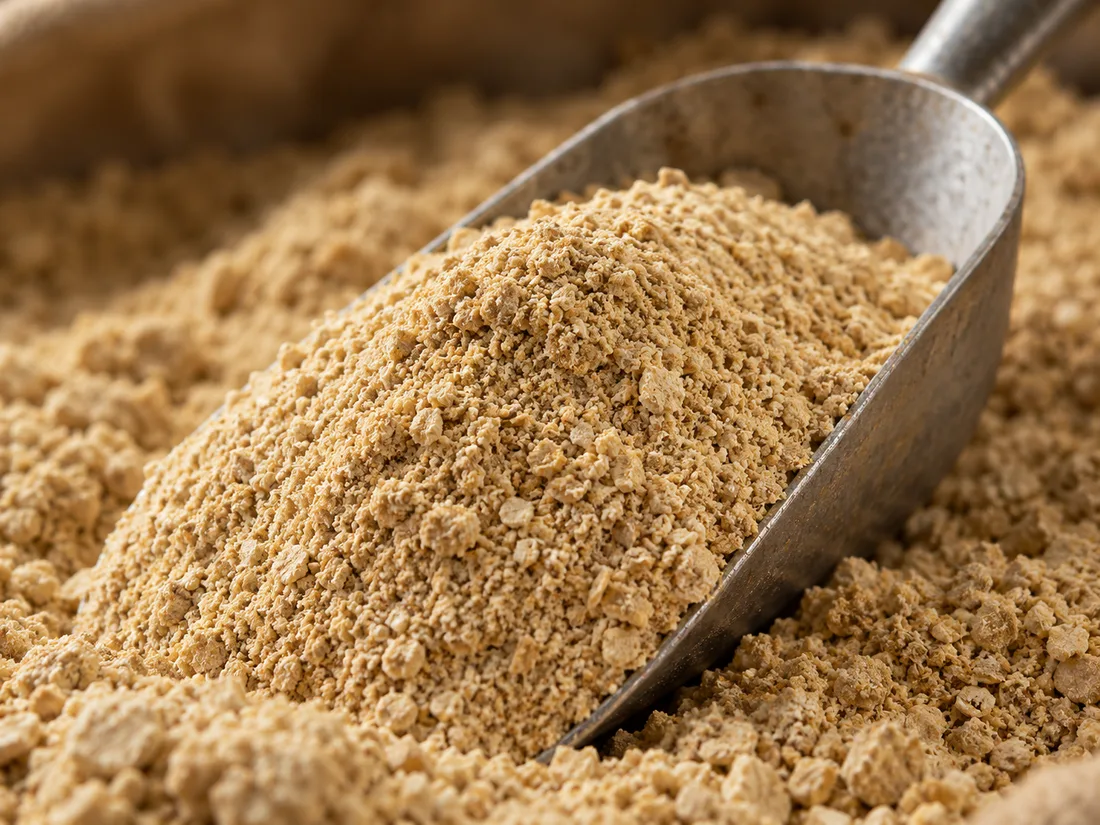
A practical guide to comparing dried distillers grains analyses on a consistent basis, with attention to product identity, moisture, nutrients, minerals and relevant testing.
Read the guidePlan bulk apricot receiving around product form: handle fresh fruit gently to limit bruising and softening, and protect dried apricots from moisture using the producer’s package and storage guidance.
Read the guideWet and dried brewer’s grain call for different transport, unloading and storage plans. Compare the delivered condition and dry-matter basis, then confirm that the offered configuration fits your site.
Read the guideCompare navy bean lots by market-class identity and defined inspection criteria—not color or grade alone. Moisture, splits, damage, contrasting classes, foreign material and dockage each need clear methods and contract tolerances.
Read the guideA practical look at how herring fish meal fits into aquafeed recipes and extrusion trials, and why its effects must be evaluated alongside the full formulation and production conditions.
Read the guideExplore ingredient specifications or share your volume, delivery needs, and buying requirements.