Grains
Alfalfa
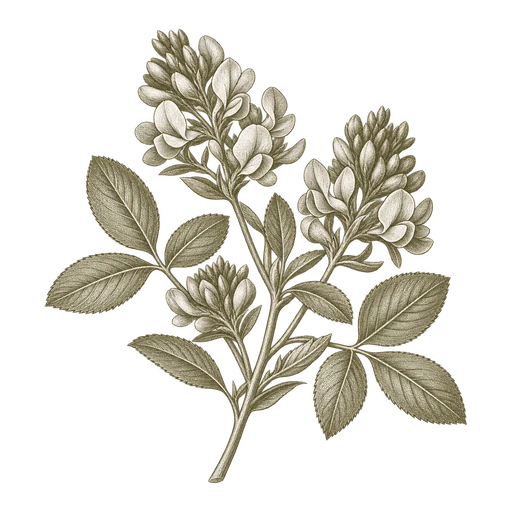
Alfalfa is a forage legume sourced as hay, silage, meal or pellets for livestock feed. Match the form to receiving and ration needs, then compare a lot-specific analysis on a consistent basis.
Explore ingredientPork meal can contribute protein and energy to swine diets, but its formulation value depends on the offered meal’s identity, bone-related mineral profile and analysis. Compare lot-relevant data on a consistent basis rather than assuming a research sample or generic matrix describes every product.
Pork meal can contribute protein and energy to swine diets, but formulators should not assume that products sharing the same name have the same composition. Rendering and the materials included affect the resulting meal, including its protein, fat and mineral profile. Establish the ingredient’s identity and intended specification before assigning it a value in the formulation matrix.
Ask whether the offered material is identified specifically as pork meal and what source materials or product definition that name represents. This matters when comparing it with other rendered animal meals: a similar crude-protein result does not establish that ingredients have the same species origin, bone content or nutrient availability.
Bone contributes minerals, including calcium and phosphorus, while also affecting the proportion of protein-bearing tissue in the meal. Ash or another reported measure of mineral content can therefore help a nutritionist interpret a product’s profile, but it should be considered alongside calcium and phosphorus analysis where those values are needed for the diet.
Do not treat bone content as a minor detail or infer it from the ingredient name alone. Compare the product identity and available mineral data, then determine whether the ingredient matrix accounts for those nutrients. This is especially important when the ration is being balanced against specific mineral targets.
Crude protein is useful for comparing nitrogen-based protein concentration, but it does not by itself describe amino-acid supply or digestibility. A protein value also cannot be compared fairly with another result unless the reporting basis is clear. Check whether analysis is expressed as-fed or on a dry-matter basis, and use the basis that matches the rest of the formulation data.
Fat contributes energy, so its level can affect the ingredient’s energy value in the diet. It is also a reason not to carry a generic book value into a purchase decision when the offered lot has a different analysis. Evaluate protein and fat together rather than selecting pork meal on crude protein alone.
When a formulation depends on digestible amino acids or another digestibility-based value, look for evidence that matches the ingredient and the intended use. Digestibility results can depend on the sample, processing conditions, test method and animal context; a value from a different meal or study sample does not automatically describe the purchased lot.
Ask what was measured and how the result is reported. If the data are not specific enough to support the formulation method, use a more cautious matrix value or have the nutritionist decide whether the ingredient can be evaluated on the available analysis. Do not infer performance or an inclusion rate from protein concentration alone.
A useful comparison includes the product identity, analysis basis, crude protein, fat and mineral measures relevant to the ration. Add digestibility or amino-acid data when the formulation relies on them, and note whether each value is a guaranteed specification, a typical value or a reported analysis. Those categories are not interchangeable.
For a bulk purchase, compare the proposed analysis with the nutritionist’s formulation assumptions and establish how lot-to-lot variation will be handled. The actual analytical panel, specification and commercial terms depend on the offered product and lot. Buyers evaluating Pork Meal for a defined swine formulation can start with the ingredient page, then request information relevant to their ration and receiving plan.
No. Crude protein alone does not establish amino-acid availability, digestibility, fat contribution or mineral content. Compare it with the analysis basis and other values needed for the formulation.
Bone contributes minerals such as calcium and phosphorus and changes the meal’s overall nutrient profile. Use relevant mineral analysis alongside protein and fat when balancing the diet.
Not automatically. Check that the data match the ingredient identity, sample or processing context, test method and intended use before relying on them in a swine formulation.
Focused guides to the specification, application, and delivery questions behind this ingredient.
Plan a pork meal order around your facility’s quantity, receiving equipment, acceptable product form and storage conditions. Request lot-specific moisture and handling information before arranging delivery.
Read this InsightCompare pork meal offers by reading declared identity and source materials alongside lot analysis. Bone status, mineral measures and moisture basis all matter; matching the reporting basis is essential before comparing nutrient values.
Read this InsightAlfalfa is a forage legume sourced as hay, silage, meal or pellets for livestock feed. Match the form to receiving and ration needs, then compare a lot-specific analysis on a consistent basis.
Explore ingredientAlfalfa meal is ground forage used in animal feed, with sun-cured and dehydrated processing routes and meal or pellet forms. Compare the offered process, physical form and analysis against the needs of the species and feed formulation.
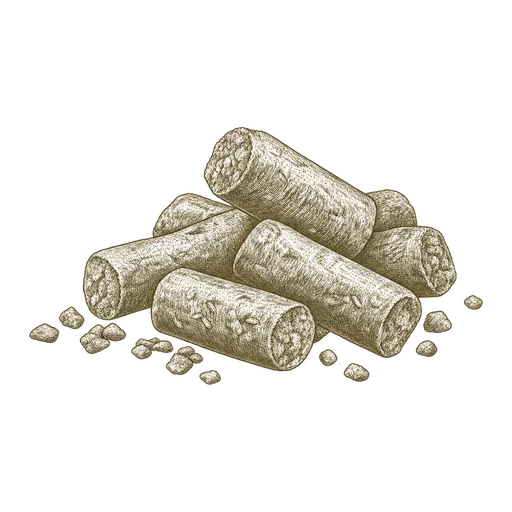
Explore ingredientAlfalfa pellets are ground, compressed forage used in livestock feeding and compound feeds. Compare the drying process, alfalfa material, forage analysis and pellet characteristics to choose a form that fits your ration and receiving setup.
Explore ingredientAlmond hulls are the dried outer layer of the almond fruit, sourced for ruminant feed as hull-only material or as a hull-and-shell mixture. Compare the lot’s composition, physical form, and handling needs before arranging a bulk shipment.
Explore ingredient