Grains
Alfalfa
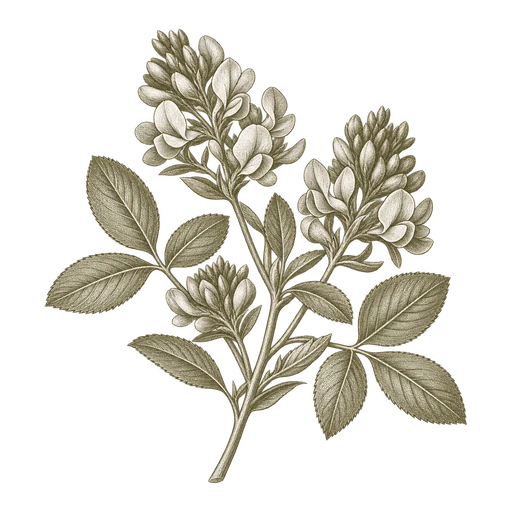
Alfalfa is a forage legume sourced as hay, silage, meal or pellets for livestock feed. Match the form to receiving and ration needs, then compare a lot-specific analysis on a consistent basis.
Explore ingredientHow rice bran form, fiber analysis and feed processing shape its role in aquaculture diets—and why pellet water stability must be evaluated for the specific formulation.
Rice bran is a rice-milling co-product used as an ingredient in animal feeds. In aquaculture diets, its value cannot be judged by name alone: the bran’s processing, composition, physical form and behavior in the finished feed all matter. It must be evaluated as part of a complete diet for a particular farmed species and production stage, not as a universally interchangeable feed component.
A practical starting question is what the ingredient is expected to contribute to the formula. The answer affects which analysis is relevant and how the form should fit the feed mill’s process. A nutritionist should assess those tradeoffs alongside the rest of the diet rather than treating rice bran as a one-for-one replacement for another ingredient.
Rice bran can differ according to how it is processed and whether oil has been removed. Defatted bran is not nutritionally or physically identical to full-fat bran, so a formulation built around one should not assume the other will perform the same way. Ask which product form is being offered and review its analysis, especially the measures relevant to the intended formulation.
Particle size and physical form also affect handling and incorporation. A finer material may distribute differently through a mix than a coarser one, while the feed mill’s grinding, mixing and conditioning steps influence the final pellet. These differences are reasons to compare the actual product and process, not to assume that a shared ingredient name guarantees equivalent behavior.
Fiber content deserves particular attention when rice bran is considered for aquafeed. Its level and measurement basis help the formulator understand how a lot compares with the ingredient assumptions in a formula. A reported concern is that using a high proportion of defatted rice bran can affect pellet water stability. That concern is not a universal prediction: the outcome depends on the finished diet and how the feed is made.
For a meaningful evaluation, define what “water stability” means for the operation and how it will be assessed. The feed process, including ingredient preparation and pellet-making conditions, can influence whether pellets retain their structure in water. A result from one formula or production setup does not establish performance for another species, diet or process. Avoid setting an inclusion rate from a general rule; have the nutritionist evaluate the offered analysis within the complete formula and validate the finished feed against the relevant production requirements.
Before changing a formula, compare the rice bran analysis with the nutritional assumptions used by the formulator. Pay attention to fiber and the differences between full-fat and defatted material; include other measures the nutritionist needs to balance the diet. Then consider whether the mill’s equipment and process can incorporate the selected form consistently.
Pellet water stability should be considered alongside the other outcomes important to the specific fish and feeding system. The question is not simply whether rice bran can be used, but whether this bran, at the formulation level under consideration, produces a feed that meets the program’s requirements. Keep conclusions species- and process-specific, and do not transfer them automatically to other aquatic species or animal feeds.
A useful sourcing request describes the intended rice bran form, the required quantity and delivery destination, and the analysis needed for the formulation. Specify whether the formula calls for full-fat or defatted bran and identify the fiber measure and other analytical details the nutritionist will use. The relevant values and product characteristics should be checked against the actual offer rather than inferred from a product label.
Share the feed process and receiving constraints that affect the decision, such as how the ingredient is handled and incorporated at the mill. This helps make the comparison relevant to the finished feed instead of focusing on an ingredient in isolation. Visit the Rice Bran page to explore sourcing options for a form that matches the formulation and the information your team needs to evaluate it.
Focused guides to the specification, application, and delivery questions behind this ingredient.
Plan bulk rice bran receiving and storage around the product’s fat content, stabilization method, packaging and your facility’s capabilities. Full-fat and defatted bran differ in oil content, but neither form should be assigned a shelf life without product-specific guidance.
Read this InsightCompare rice bran offers by identifying the milling fractions and reading moisture, crude protein, crude fat and fibre results on a consistent analytical basis.
Read this InsightAlfalfa is a forage legume sourced as hay, silage, meal or pellets for livestock feed. Match the form to receiving and ration needs, then compare a lot-specific analysis on a consistent basis.
Explore ingredientAlfalfa meal is ground forage used in animal feed, with sun-cured and dehydrated processing routes and meal or pellet forms. Compare the offered process, physical form and analysis against the needs of the species and feed formulation.
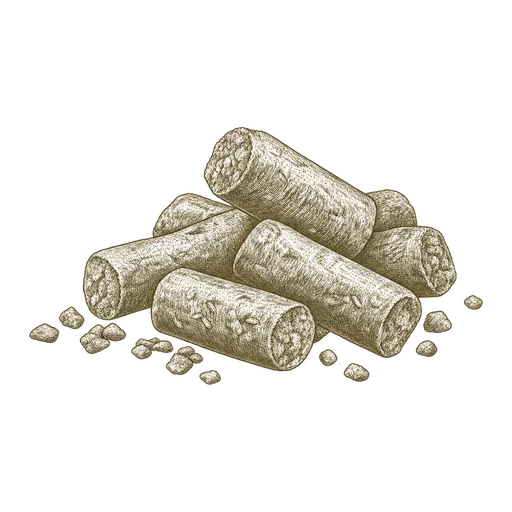
Explore ingredientAlfalfa pellets are ground, compressed forage used in livestock feeding and compound feeds. Compare the drying process, alfalfa material, forage analysis and pellet characteristics to choose a form that fits your ration and receiving setup.
Explore ingredientAlmond hulls are the dried outer layer of the almond fruit, sourced for ruminant feed as hull-only material or as a hull-and-shell mixture. Compare the lot’s composition, physical form, and handling needs before arranging a bulk shipment.
Explore ingredient