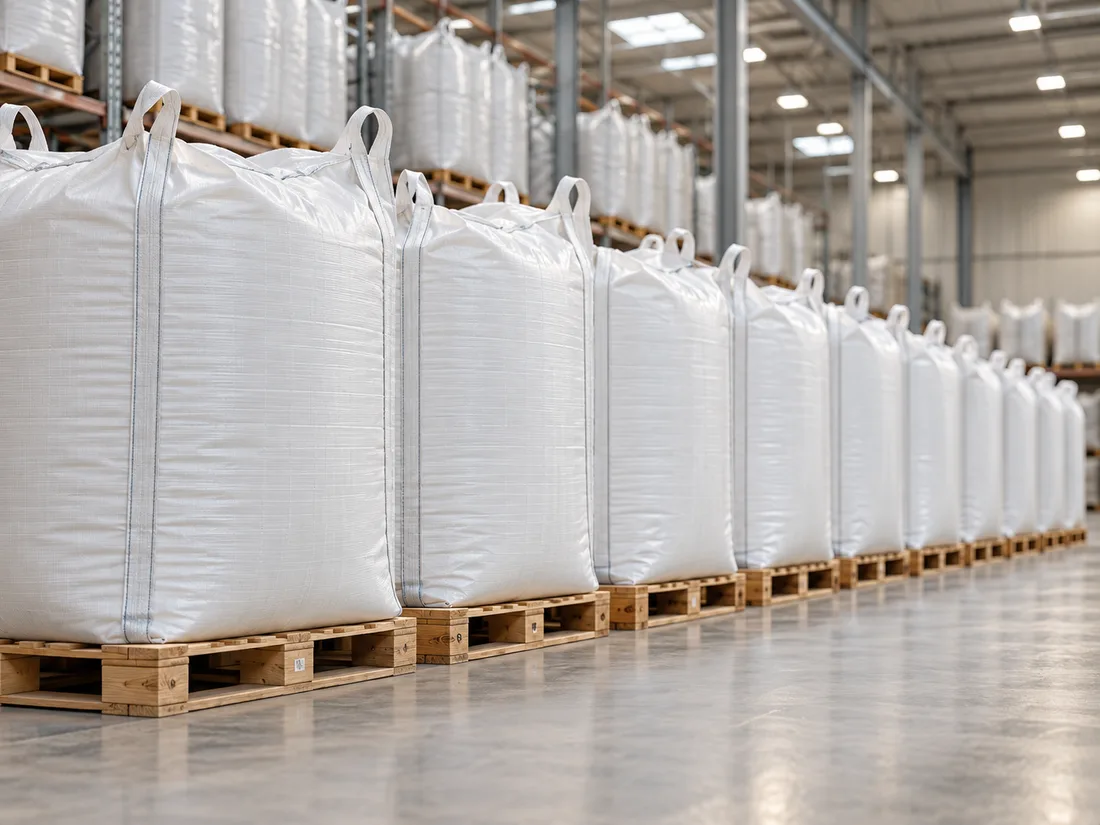
Cheese Powder Storage and Bulk Receiving: Packaging Questions to Resolve
A practical guide to matching bulk cheese powder packaging with receiving equipment, moisture protection, storage directions and the product’s stated shelf life.
Read the guide
Practical guides to ingredients, specifications, and the questions worth asking before you buy.
Better ingredients.
Better questions.
Stronger connections.
A practical guide to matching bulk cheese powder packaging with receiving equipment, moisture protection, storage directions and the product’s stated shelf life.
Read the guideLearn how faba bean flour differs from whole beans, splits and protein ingredients—and which form, processing details, flavor and color considerations to evaluate in bread and pasta.
Read the guideA practical guide to using rice class, kernel integrity, defects, foreign material and milling-yield estimates to define quality for a particular process.
Read the guideCompare fresh, frozen, canned and dried green peas by processing, handling needs and the work each form requires in a food operation.
Read the guide
Plan bulk poultry meal receiving around the order quantity, delivery location, packaging and unloading equipment your facility can handle. Protect the dry meal from moisture, inspect packaging on arrival and use the storage guidance for the specific product.
Read the guideChoose whole, split or dehulled lentils according to the role, appearance and structure required in the finished food. This guide compares the forms for soups, stews, casseroles and salads, and explains which details to define in a bulk specification.
Read the guidePlan bulk kelp receiving around its form, particle size, packaging and unloading setup. Protect the product from moisture and check date coding and storage directions for the actual lot.
Read the guideLearn why whole-seed milled flax and oil-extracted linseed meal need separate identification and analysis before a nutritionist evaluates either for a horse or ruminant ration.
Read the guideFeed barley quality is best judged against its intended use. Understand what moisture, test weight, foreign material, damaged kernels, contaminant results and processing consistency can tell you—and what each measure cannot establish—before setting lot-specific acceptance criteria.
Read the guideCompare buttermilk powder offers by aligning product identity, measurement basis and test methods before judging composition or physical properties.
Read the guideCompare peanut meal analyses by matching product identity, processing route and moisture basis before evaluating protein, fat, energy or aflatoxin documentation.
Read the guideA practical framework for comparing pea hull fiber offers by identity, fiber analysis method and basis, particle size, and supporting composition measures.
Read the guideExplore ingredient specifications or share your volume, delivery needs, and buying requirements.