
Almond hulls in ruminant rations: what should buyers assess?
Assess almond hulls for cattle rations by matching the lot’s identity, analysis and physical form to the animal class, ration and feed-handling system.
Read the guidePractical guides to ingredients, specifications, and the questions worth asking before you buy.
Better ingredients.
Better questions.
Stronger connections.
Assess almond hulls for cattle rations by matching the lot’s identity, analysis and physical form to the animal class, ration and feed-handling system.
Read the guide
Plan bulk colored safflower seed deliveries around your receiving equipment, shipment presentation and destination. Inspect lot condition on arrival, verify relevant measurements and protect stored seed from moisture, contamination and insect activity.
Read the guideCorn gluten feed pellets contribute energy, protein and digestible fiber, unlike a primarily starch-based grain ingredient. Their role in beef and dairy rations depends on lot analysis, forage level and the balance of the complete diet.
Read the guidePrepare a bulk milled flaxseed order by matching its form and quantity to your receiving equipment, then plan packaging and storage to limit air exposure and protect product quality.
Read the guidePlan bulk chickpea flour receiving around the required product, quantity, destination, packaging fit and facility unloading setup. Protect the flour from moisture and follow the storage instructions supplied for the specific product and lot.
Read the guideCompare black soldier fly larvae meal by processing type and analytical basis. Learn how protein, fat, moisture, ash and fiber inform a like-for-like specification review.
Read the guide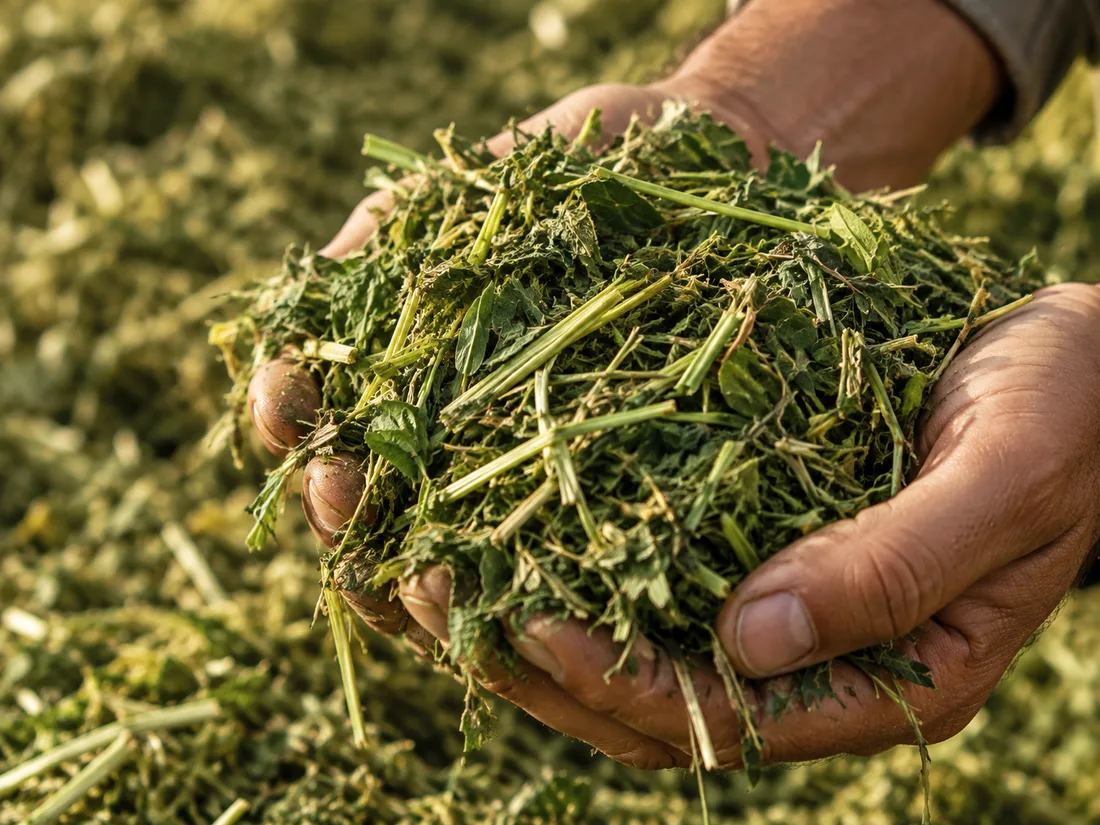
Compare alfalfa pellet crude protein, NDF, ADF, moisture and mineral results accurately by matching the product and lot, then aligning units, analytical methods and measurement basis.
Read the guideA buyer’s guide to distinguishing white milo class from grade and lot analysis, and comparing quality measures against a defined end use.
Read the guideUnderstand how potato protein’s solubility, foaming, emulsifying and gel-forming behavior can affect food formulations—and how to test the specific properties your process requires.
Read the guideCompare crystalline and liquid sucrose by looking at dry versus liquid receiving, recipe water balance, the recipe’s ingredient definition and the specifications your process needs.
Read the guide
Plan bulk flaxseed oil packaging around your receiving equipment, protect the oil from light, and review lot-specific storage history before accepting an offer.
Read the guideTriticale can contribute to swine and poultry diets, but its formulation value depends on the offered grain analysis, NSP characteristics, physical form, animal species and the rest of the ration. Understand those decisions before defining the feed specification and sourcing requirement.
Read the guideExplore ingredient specifications or share your volume, delivery needs, and buying requirements.