Start with processing and the comparison basis
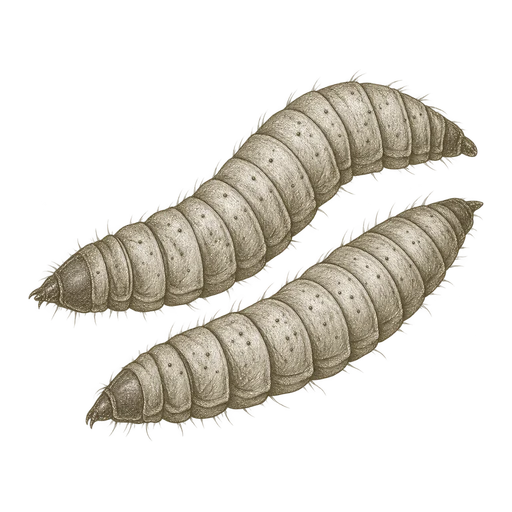
The first specification question is whether the meal is whole-larvae or partly defatted. Whole-larvae meal retains more of the larvae’s fat, while partial defatting removes some oil before or during meal production. That changes the balance of fat and other components in the finished meal, so two products labeled black soldier fly larvae meal are not automatically nutritionally interchangeable.
Compare products on the same basis. An as-fed analysis describes the meal as delivered, including its moisture. A dry-matter analysis removes moisture from the comparison, making it easier to compare the nutrient composition of meals with different moisture levels. A higher percentage on a dry-matter basis does not mean more nutrient arrives in a fixed shipment than the as-fed figure suggests; the amount delivered also depends on moisture and shipment weight.
Protein and fat describe different tradeoffs
Crude protein is a useful first comparison, but it is not a complete description of protein value. Check whether the figure is stated as-fed or on a dry-matter basis, how it was measured or calculated, and whether it is a guaranteed specification or a lot-analysis result. A protein percentage can appear higher after fat removal because the components remaining in the meal make up a greater share of its weight. That shift alone does not establish amino acid balance or digestibility.
Fat content is particularly important when distinguishing whole from partly defatted meal. It affects the meal’s energy contribution and may matter to the formulation’s overall lipid balance, handling, and storage plan. If fat is a key purchasing criterion, compare the stated analytical method and basis, and determine whether the supplier’s figure is a target, limit, or measured result. Do not infer the degree of defatting from the product name alone.
Moisture, ash and fiber need context
Moisture changes the as-fed nutrient percentages and is relevant to storage and handling. Include it in a dry-matter conversion rather than comparing protein or fat figures across products without adjustment. If moisture is reported as a percentage, a dry-matter value can be calculated as the as-fed value divided by the dry-matter fraction, then multiplied by 100. Use values from the same analysis and keep the stated basis visible in comparisons.
Ash is the inorganic residue measured after a sample is burned. It gives a broad indication of total mineral content, but it does not identify individual minerals or establish their nutritional availability. Fiber requires similar care: reported crude fiber is a method-defined measure, not a complete account of all structural material. Because black soldier fly larvae contain chitin, ask how the fiber figure was determined and whether chitin is measured separately when that distinction matters to the formulation.
Add targeted tests for the formulation question
An amino acid profile can help a formulator assess the meal’s contribution to a diet’s amino acid balance. It is more informative than crude protein alone when the formulation depends on particular amino acids, but the profile should be reviewed alongside the intended species, processing conditions and the rest of the ration. The profile does not, by itself, establish digestibility.
Request individual mineral results when a specific mineral matters; total ash cannot substitute for them. Chitin measurement may be useful when a formulator needs to distinguish that component from the broader fiber result. Microbiological criteria should reflect the intended feed or food application, applicable requirements and the purchaser’s quality program. The relevant organisms, methods and acceptance criteria should be stated explicitly rather than assumed from a general product description.
Build a like-for-like specification comparison
For each offer, record the processing type, analytical values, measurement basis and method. Separate guaranteed limits from typical values and lot-specific results, and check that the sample or lot analysis corresponds to the product being offered. If a report omits the basis, method or test definition, the number may not support a meaningful comparison.
Then connect the results to the intended use: choose whether whole or partly defatted meal fits the formulation, identify which nutrient or quality limits are essential, and avoid paying attention to a headline protein figure while overlooking fat, moisture or the analytical basis. For a product overview and sourcing route, visit the black soldier fly larvae meal page.
Common questions.
Does partly defatted black soldier fly larvae meal always have more protein?+
Fat removal can increase protein as a percentage of the remaining meal by changing its composition, but the actual result depends on the product and processing. Compare the stated analysis on the same moisture basis; a higher percentage alone does not prove greater amino acid value or digestibility.
How do I convert an as-fed result to a dry-matter basis?+
Divide the as-fed nutrient percentage by the dry-matter fraction—100 minus the moisture percentage, expressed as a fraction—and multiply by 100. For example, if moisture is given as a percentage, the calculation is nutrient percentage ÷ (100 − moisture percentage) × 100. Use moisture and nutrient results from the same analysis, and label the converted value as dry matter.
Which tests should accompany crude protein for black soldier fly larvae meal?+
Fat and moisture are useful for comparing whole and partly defatted products and interpreting as-fed values. Depending on the formulation, add an amino acid profile, individual mineral results, a clearly defined fiber method or chitin measurement, and application-appropriate microbiological criteria. The offered specification and lot analysis should state the actual values, methods and guarantees.