
How to compare tomato pomace analysis and moisture basis
Compare tomato pomace analysis on a consistent basis. Moisture, dry matter, protein, fat, ash and the named fiber method all affect how a lot report should be read.
Read the guide
Practical guides to ingredients, specifications, and the questions worth asking before you buy.
Better ingredients.
Better questions.
Stronger connections.
Compare tomato pomace analysis on a consistent basis. Moisture, dry matter, protein, fat, ash and the named fiber method all affect how a lot report should be read.
Read the guideCompare whole Brazil nut kernels, chips and broken pieces by visibility and how they enter bakery and confectionery production. Define the piece distribution your recipe and line need before sourcing.
Read the guide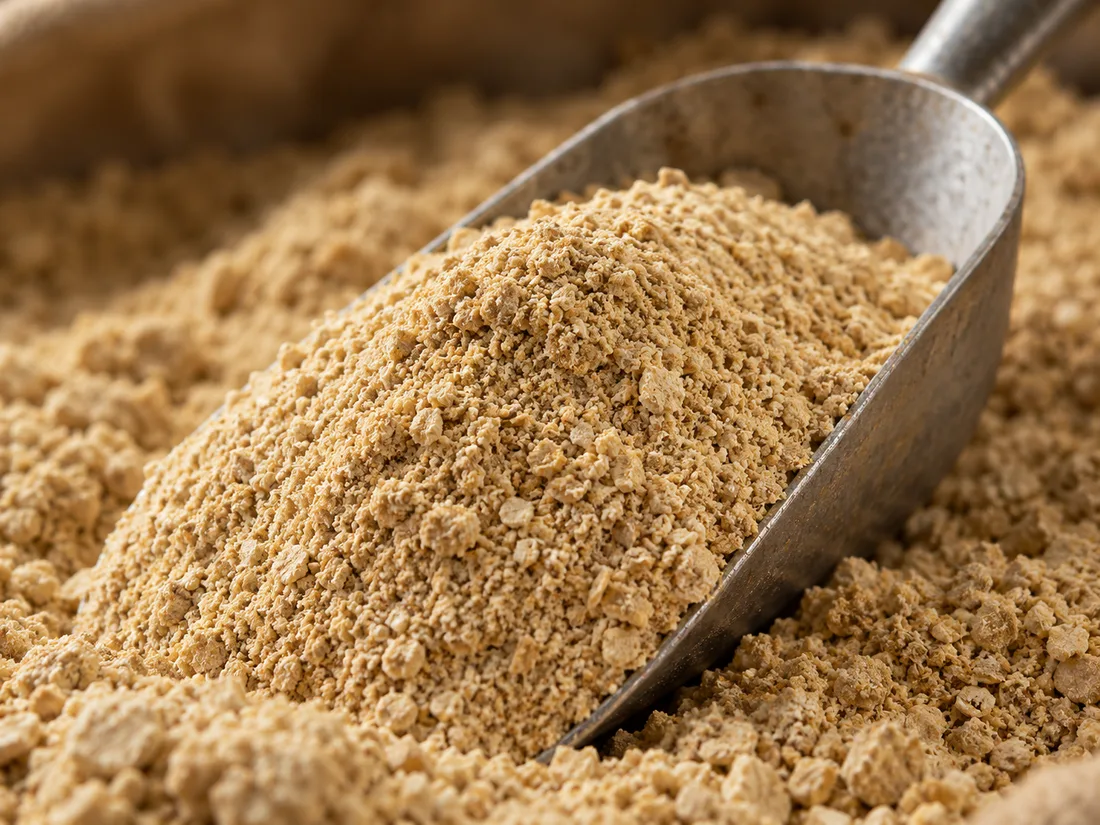
Whole soybeans retain their oil, while soybean meal is the solid residue after oil extraction. That difference affects each ingredient’s role in a livestock ration, and whole beans also require attention to heat treatment. Compare the specific product and intended animal with a nutritionist before choosing a form.
Read the guide
A practical guide to planning packaging, unloading and dry, protected storage for bulk coarse sunflower chips.
Read the guideCranberry juice, concentrate, blends and drinks can differ in water content and ingredient composition. Define the exact form and compare relevant specifications before using an ingredient in a food formulation.
Read the guideA practical framework for testing red lentil flour in wheat bread dough, with attention to flour characteristics, controlled replacement trials and the limits of study-specific rheology results.
Read the guideCompare the peanut granule characteristics that shape chocolate and biscuit formulations—piece size, fines, roast profile, blanch status and salt—then use the offered specification and product trials to define a sourcing request.
Read the guideA practical guide to comparing dried distillers grains analyses on a consistent basis, with attention to product identity, moisture, nutrients, minerals and relevant testing.
Read the guidePrepare to receive bulk olive oil by matching the order to your delivery window, unloading equipment and storage capacity. Keep the oil sealed and protected from light and heat, and confirm packaging and product-specific handling details before delivery.
Read the guidePrepare a bulk milled flaxseed order by matching its form and quantity to your receiving equipment, then plan packaging and storage to limit air exposure and protect product quality.
Read the guideCompare sunflower meal lots by reading protein, fiber, residual oil and moisture together. Hull content and as-fed versus dry-matter reporting can change how those results should be interpreted.
Read the guideA practical guide to describing dry Baby Lima beans for canning by class, physical condition, desired pack appearance and process documentation—without treating a general use description as a process guarantee.
Read the guideExplore ingredient specifications or share your volume, delivery needs, and buying requirements.