
Bulk Oats Storage and Receiving: Questions to Settle Before Delivery
Plan oat receiving around the product form, unloading setup, storage conditions and moisture information needed for your process.
Read the guide
Practical guides to ingredients, specifications, and the questions worth asking before you buy.
Better ingredients.
Better questions.
Stronger connections.
Plan oat receiving around the product form, unloading setup, storage conditions and moisture information needed for your process.
Read the guidePlan bulk blueberry powder receiving with clear quantity, destination, packaging and unloading details, then protect the lot from moisture and contamination using its specific storage guidance.
Read the guideFine sunflower chips bring kernel pieces rather than whole seed into a wild-bird blend. Compare their particle-size profile and offered analysis with the blend’s texture, handling and production needs.
Read the guidePlan bulk butter product shipments around the exact form—fresh or frozen churned butter, concentrated butterfat or formulated powder—and its receiving, transit and storage directions.
Read the guideStorage history can be relevant to black-eyed pea cooking behavior: cowpeas stored in warm, humid conditions have been associated with reduced water absorption and slower softening. Learn how to use lot-history questions and application-specific sample testing without treating storage conditions as a prediction for an individual lot.
Read the guideGround corn contributes energy to swine rations, but its protein and mineral profile must be evaluated within the complete formula. Amino-acid balance, calcium, phosphorus, particle size and lot analysis all inform the nutritionist’s decision.
Read the guideDefine cucumber size, appearance, firmness and defects around the intended slicing or pickling use. A use category is not a grade, and the applicable standard and tolerances should be specified before purchase.
Read the guidePrepare for bulk soy protein isolate by aligning the offered product and order details with your receiving equipment, moisture-protected storage, lot dating practices and soy allergen controls.
Read the guideWheat middlings can contribute fiber and bulk to gestating-sow diets and energy, protein and fiber to beef cattle rations. Their role depends on species, ration design and the actual lot analysis.
Read the guide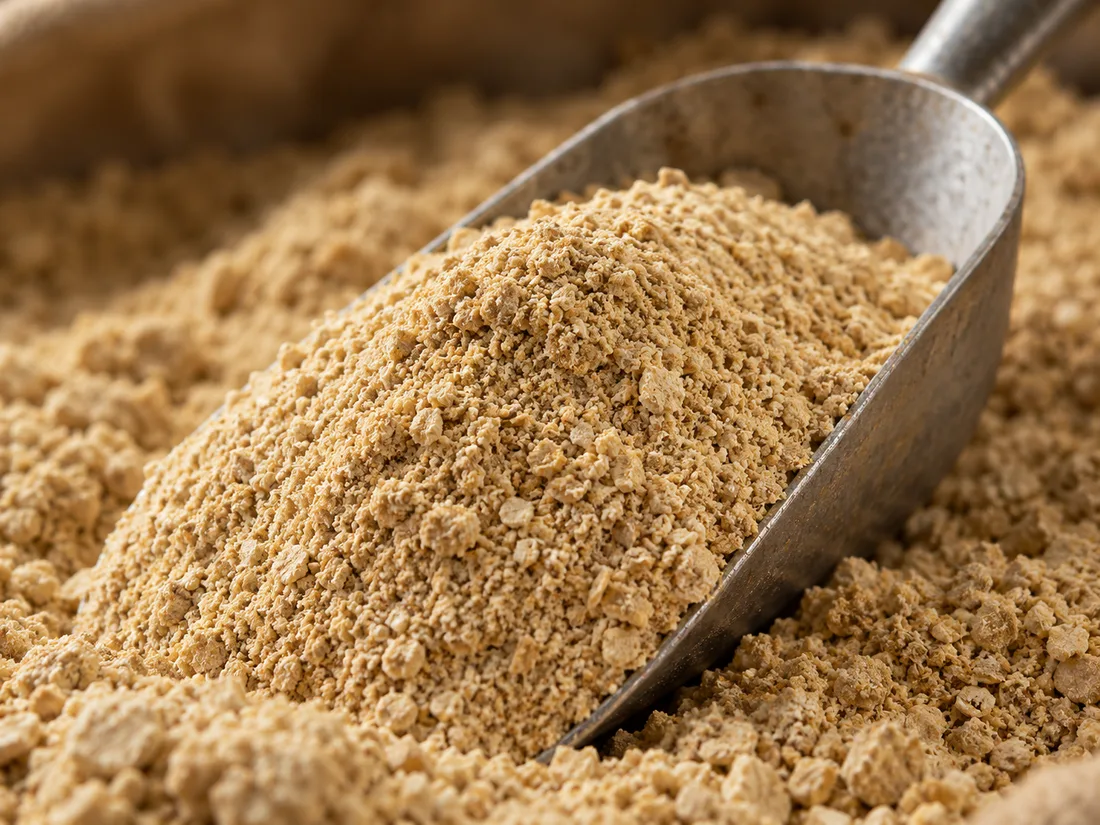
Soybean meal protein percentages reported as-fed and on a dry-matter basis cannot be compared directly. Align moisture, reporting basis, method information, and the context of each COA before evaluating supplier values.
Read the guidePlan a bulk rice starch order around the quantity, packaging, delivery timing and receiving setup your site can handle. Obtain storage and handling directions for the actual product rather than relying on assumptions about rice grain or other starches.
Read the guidePlan bulk prune receiving around the form and packaging actually offered, your facility’s unloading capabilities, and lot-specific storage directions. Use this checklist to prepare a suitable receiving and handling plan.
Read the guideExplore ingredient specifications or share your volume, delivery needs, and buying requirements.