Independent sourcing. Better connections.Commercial buyers · Bulk ingredients
topic

Powder processing

Powder processing focuses on how dried ingredients are produced and how their properties affect bulk handling and use. This collection currently includes Pumpkin Powder. Its name does not specify every detail of its identity, formulation, or performance, so buyers should compare product-specific information against their process needs.

1 ingredients3 published Insights
EXPLORE THE COLLECTION

Powder processing ingredients

Dried Fruits

Pumpkin Powder

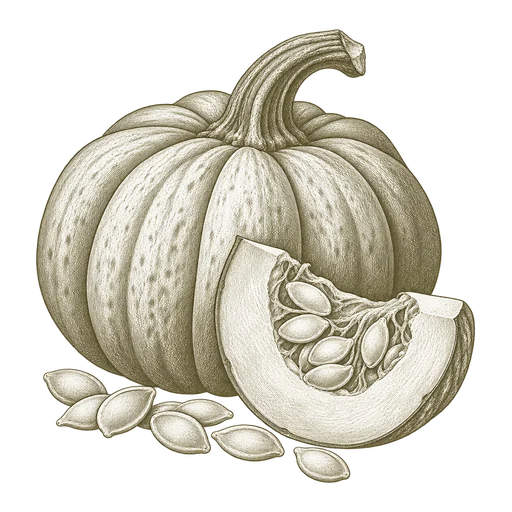
Pumpkin powder is dried, milled pumpkin material used in food formulations and some feed research. Compare the plant parts, processing, moisture and particle characteristics to choose a powder that fits the intended use and receiving setup.

Explore ingredient

What this collection covers

Powder processing covers how dried ingredients are made and how processing affects their behavior in storage, handling, and formulation. The supplied collection currently includes Pumpkin Powder, a dried and milled pumpkin ingredient.

The ingredient name alone does not establish the pumpkin species or plant portion, whether the product contains carriers, or how it will perform. Those details matter when matching a bulk powder to a food process.

Processing differences that matter

Drying method and conditions can influence a powder’s color, density, flow, and response to water. As a result, two pumpkin powders should not be assumed to have identical handling or formulation properties just because they share a product name.

A documented food application is pumpkin powder in an instant soup mix. That example does not establish suitability for every food use, nor does it establish feed or pet-food suitability; confirm intended-use status for the specific product.

Compare specifications before buying

For a bulk purchase, clarify product identity and formulation, then compare the offered specification with the needs of your process. Moisture and water activity are distinct measurements; request both where available, along with test methods and the basis of the reported results.

Particle size, color, density, flowability, and hydration behavior can help determine whether a powder will dose, mix, or reconstitute as required. Ask for packaging and storage guidance for the exact product rather than applying a shelf-life result from a finished food to the powder itself.

Common questions.

Does “pumpkin powder” specify the full product formulation?+

No. Confirm the pumpkin identity and plant portion, and whether the powder includes carriers or other ingredients.

Which properties are useful to compare between pumpkin powders?+

Review moisture and water activity separately, plus particle size, color, density, flow, and hydration behavior when those properties affect your process.

Does the food-use evidence establish feed or pet-food suitability?+

No. The supplied evidence addresses human-food use; confirm suitability and intended-use status separately for feed or pet food.

Powder processing · BUYER INSIGHTS

Go deeper before you source.

Focused guides to the specification, application, and delivery questions behind this ingredient.