Independent sourcing. Better connections.Commercial buyers · Bulk ingredients
topic

Bulk powder handling

A buyer-focused guide to handling bulk food-ingredient powders, distinguishing the products in this collection and evaluating specifications, flow and storage needs.

5 ingredients6 published Insights
EXPLORE THE COLLECTION

Bulk powder handling ingredients

Dried Fruits

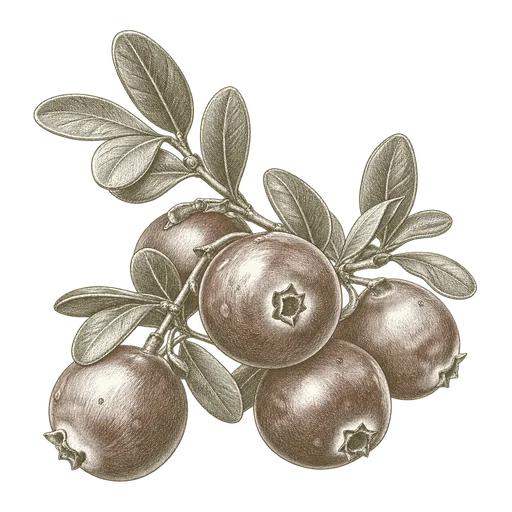
Cranberry Powder

Cranberry powder may be ground whole fruit, dried juice pomace or a pomace extract, and those forms differ in composition and use. Compare ingredient declarations, processing and relevant quality measures before choosing a bulk product for a food formulation.

Explore ingredient
Starches/Fibers/Proteins

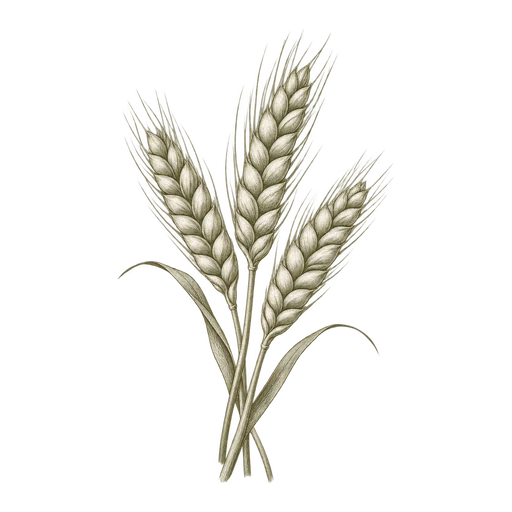
Vital Wheat Gluten

Vital wheat gluten is a dried wheat protein ingredient that develops an elastic, cohesive structure when hydrated. Buyers use it in bread, pasta, meat analogues and some feed formulations; compare its functional properties and quality analysis against the process before choosing a bulk product.

Explore ingredient
Starches/Fibers/Proteins

Wheat Starch

Wheat starch is an isolated wheat carbohydrate used for thickening and body in food and for narrower specialty-feed functions such as binding. Choose native, pregelatinized or modified starch according to the process and performance required.

Explore ingredient
Dairy Ingredients

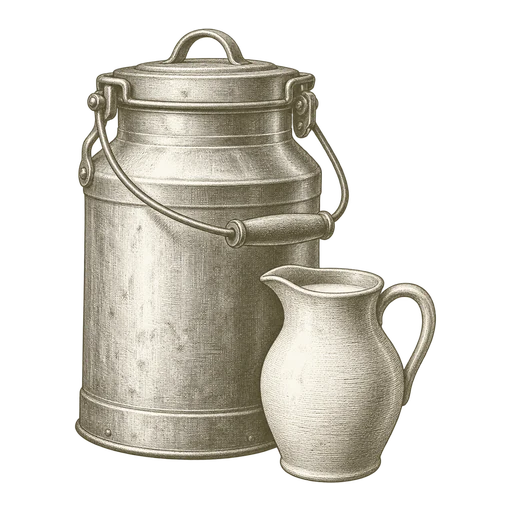
Whey Protein Isolate 90

Whey protein isolate 90 is a dried whey-derived protein ingredient used in food formulations for protein supplementation and functional roles such as gelation, whipping, water binding and emulsification. Compare the protein basis, powder form and any additives against the needs of your process.

Explore ingredient

Different powders need different specifications

This collection covers five food-ingredient powders, but they are not interchangeable. Cranberry Powder can refer to fruit, seed or extract-based material, and extract powders may include carriers. Confirm the plant part or source, ingredient statement and intended use before comparing offers.

Vital Wheat Gluten and Wheat Starch are distinct wheat fractions: gluten contributes structure to dough, while starch is used for thickening. Whey Protein Concentrate 70/80 and Whey Protein Isolate 90 are dairy-protein ingredients with different protein-class definitions. Check the offered product’s specification and protein basis rather than relying on its name alone.

Assess flow against your process

Powder flow can change as moisture, temperature, mechanical stress, particle characteristics and time interact. Caking can cause lumps and interfere with storage or discharge. Bulk density and particle-size measurements describe particular physical properties, but neither alone establishes how a powder will flow through your equipment.

For the intended application, request a current specification and representative certificate of analysis. Review the measurement basis and test method for moisture or loss on drying, particle-size distribution and bulk density. Where relevant, ask for functional evidence such as solubility, dispersibility or water binding, and for flow or caking tests suited to your handling conditions.

Plan receiving and storage

Confirm packaging, handling and storage instructions for the specific product and lot. Protect opened or in-process powder from moisture, and do not assume one ingredient’s storage guidance applies to another. Match receiving and discharge plans to the material’s documented characteristics and your own equipment.

Common questions.

Are these five powders suitable for the same food applications?+

No. Vital Wheat Gluten is associated with dough structure, Wheat Starch is a separate thickening ingredient, and the whey proteins contribute protein and other formulation functions. Cranberry Powder needs closer identity checks because fruit, seed and extract forms differ.

What should I confirm about Cranberry Powder before comparing offers?+

Establish whether it is fruit, seed or extract-based material, review the full ingredient statement for carriers, and match the specification to your intended application.

Does WPC 70/80 guarantee a particular protein result?+

The product name does not replace the offered lot’s specification. Check the protein result, its measurement basis and the certificate of analysis; WPI 90 also needs to be assessed against its stated specification.

Can bulk density or particle size tell me whether a powder will flow well?+

Not by itself. Those measurements describe specific physical properties; flow and caking also depend on the material and its storage and handling conditions. Seek relevant evidence for your process.

Bulk powder handling · BUYER INSIGHTS

Go deeper before you source.

Focused guides to the specification, application, and delivery questions behind this ingredient.

FIELD GUIDE01Bulk powder handling
Buyer’s guide

Planning bulk whey protein isolate 90 receiving and storage

Plan bulk whey protein isolate 90 receiving around your facility’s package handling, unloading and storage needs. Keep the powder cool and dry, protect opened material from moisture, and rotate inventory by the product’s stated expiration or retest date.

Read this Insight
FIELD GUIDE02Bulk powder handling
Buyer’s guide

Whey protein isolate 90 in yogurt: evaluating gelation needs

Whey protein isolate 90 can contribute protein to yogurt, but its gelation effect depends on ingredient functionality, formulation, and processing—not protein content alone.

Read this Insight
FIELD GUIDE03Bulk powder handling
Buyer’s guide

How to compare protein results for whey protein isolate 90

Dry-matter and as-sold protein percentages describe the same material on different bases. Learn how moisture affects the calculation and what to align across a whey protein isolate 90 specification and lot COA.

Read this Insight
FIELD GUIDE04Bulk powder handling
Buyer’s guide

Planning bulk WPC powder receiving and storage

Prepare to receive bulk whey protein concentrate 70/80 by aligning the product specification, order details, packaging, and unloading plan with your facility. Protect the powder from moisture and contamination, and follow storage instructions confirmed for the offered product.

Read this Insight
FIELD GUIDE05Bulk powder handling
Buyer’s guide

Choosing whey protein concentrate for powdered beverage mixes

WPC grade is only one part of beverage performance. Compare protein basis and composition, then evaluate solubility and dispersibility under the pH, mixing and heat conditions your powdered beverage will encounter.

Read this Insight
FIELD GUIDE06Bulk powder handling
Buyer’s guide

How to compare WPC 70 and WPC 80 specifications

Compare WPC 70 and WPC 80 by aligning protein basis and test method, then reviewing moisture, lactose, fat and ash. Add functional data only when it matches the needs of your process.

Read this Insight