Independent sourcing. Better connections.Commercial buyers · Bulk ingredients
tag

Vegetable powders

A collection overview of beet and carrot powders, their food-use differences, and practical bulk purchasing checks.

2 ingredients6 published Insights
EXPLORE THE COLLECTION

Vegetable powders ingredients

Dried Vegetables

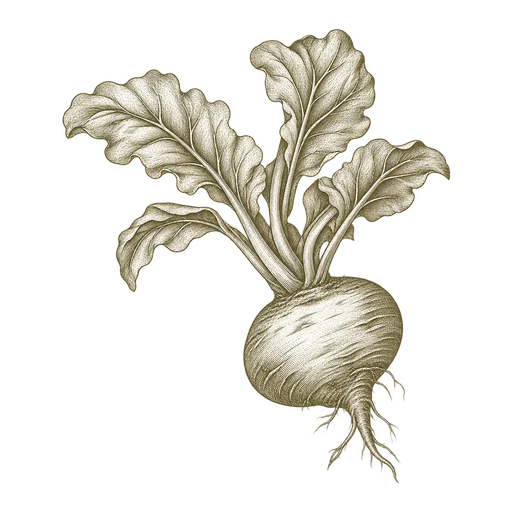
Beet Powder

Beet powder can mean whole-root powder or a juice-derived color ingredient, and the distinction affects composition and formulation use. Compare product identity, carriers, color performance and storage needs before arranging a bulk order.

Explore ingredient
Dried Vegetables

Carrot Powder

Carrot powder can be made from dried carrot tissue or from juice or concentrate, and those forms differ in fiber, composition and dispersibility. Match the powder to the food process, then compare relevant quality measures and handling needs for the bulk order.

Explore ingredient

Vegetable powders in this collection

This collection brings together bulk beet powder and carrot powder: dried, ground forms of different vegetables, not a single standardized ingredient. Their natural color and composition differ, and processing can affect the finished powder’s attributes. Use the ingredient identity and documentation—not the broad label “vegetable powder”—to judge whether a product fits your recipe.

Choosing beet or carrot powder

Beet powder is associated with red-purple betalain pigments and has been studied for food coloring and bakery formulations. Carrot powder is used in foods including baked products and prepared dishes. These examples do not guarantee a particular powder’s performance: color, flavor, particle size and behavior in a recipe depend on the ingredient and its processing.

For carrot powder, distinguish whole-root-derived powder from carrot-pomace powder made from a juice-processing by-product. They are different ingredient forms and should not be assumed to behave alike. Beet and carrot powders are also not interchangeable simply because both are vegetable powders; decide which ingredient’s color, flavor or other characteristics suit the intended product.

Bulk purchasing and use

Before comparing offers, confirm the raw material, process, ingredient statement and whether the powder contains carriers or other ingredients. Review the specification for attributes that matter to your process, such as particle size, color, moisture and bulk density; set requirements to fit the application rather than relying on a universal target.

Ask for relevant lot documentation and test a representative sample in the intended formula when performance is important. Drying and storage conditions can affect powder characteristics, and dehydrated carrot can be hygroscopic. Plan packaging and storage to limit moisture pickup, following the documented handling requirements for the specific product. The documented food uses here do not establish suitability for feed or pet food.

Common questions.

Are beet powder and carrot powder interchangeable?+

No. They differ in natural color and composition. Choose based on the ingredient attributes your formula needs and test it in the intended food.

Does carrot powder always come from whole carrots?+

No. It can be made from whole roots or from carrot pomace, a juice-processing by-product. Confirm the product form and ingredient statement.

What should I check when buying vegetable powders in bulk?+

Confirm the raw material and process, ingredient statement, particle size, color, moisture and packaging. Request relevant lot documentation and test a sample when application performance matters.

Vegetable powders · BUYER INSIGHTS

Go deeper before you source.

Focused guides to the specification, application, and delivery questions behind this ingredient.

FIELD GUIDE01Vegetable powders
Buyer’s guide

Planning bulk carrot powder receiving and storage

Plan bulk carrot powder receiving around the offered package, your facility’s unloading setup, and product-specific protection from moisture and oxygen exposure.

Read this Insight
FIELD GUIDE02Vegetable powders
Buyer’s guide

Choosing carrot powder for beverage and instant-mix formulations

Choose carrot powder for a beverage by distinguishing tissue powder from juice-derived powder, comparing carrot solids and carrier composition, and testing dispersion and texture under your actual mixing conditions.

Read this Insight
FIELD GUIDE03Vegetable powders
Buyer’s guide

Which quality specifications matter for bulk carrot powder?

A practical guide to comparing bulk carrot powder quality specifications, from product identity and carriers to moisture, particle size, color, and carotenoid analysis.

Read this Insight
FIELD GUIDE04Vegetable powders
Buyer’s guide

Planning storage and delivery for bulk beet powder

Plan a bulk beet powder shipment around the package your facility can receive and the storage conditions that help protect its natural pigment.

Read this Insight
FIELD GUIDE05Vegetable powders
Buyer’s guide

Using beet powder for color in yogurt formulations

Compare whole-root and juice-derived beet powder for yogurt by testing ingredient statement, dispersion, target shade and heat exposure in the finished formulation.

Read this Insight
FIELD GUIDE06Vegetable powders
Buyer’s guide

How to compare specifications for bulk beet powder

Compare bulk beet powder offers on a like-for-like basis by identifying the product form, carriers, moisture basis, color assay method, safety criteria and lot-specific results.

Read this Insight