
Peanut meal in swine diets: what to evaluate in formulation
A practical look at how swine nutritionists can evaluate peanut meal’s protein, fiber, residual oil and amino-acid profile within a complete ration.
Read the guidePractical guides to ingredients, specifications, and the questions worth asking before you buy.
Better ingredients.
Better questions.
Stronger connections.
A practical look at how swine nutritionists can evaluate peanut meal’s protein, fiber, residual oil and amino-acid profile within a complete ration.
Read the guideChoose pecan halves, pieces, meal or flour according to the finished product’s appearance, desired particle size and mixing process. Define the form clearly before comparing bulk offers.
Read the guideCompare spray-dried porcine plasma offers by verifying ingredient identity, reading crude protein and ash alongside their measurement basis, and separating guaranteed limits from lot-specific results.
Read the guideChoose pickling cucumber size around the finished product and processing line. A useful specification defines the size measurement, acceptable uniformity, firmness and condition—not just the product name.
Read the guideCrude protein is only one part of a useful blood meal feed analysis. Compare amino-acid data, digestibility context, moisture, ash and fat on a consistent basis, and tie results to the product lot, method and source information.
Read the guideWhey protein concentrate grade names offer a quick indication of protein tier, but meaningful comparisons require a shared reporting basis and a broader view of composition. Learn how to read dry-basis and as-sold protein alongside lactose, fat, ash and moisture.
Read the guideCompare cashew kernel forms and grade terminology by defining the required size, condition, moisture and testing basis—then tie the agreed specification to the offered lot.
Read the guideFresh, frozen, canned and dried zucchini call for different receiving and storage plans. Match packaging, unloading and destination storage to the selected form, and follow the specific offer’s instructions rather than assuming a guaranteed shelf life.
Read the guide
Plan bulk roasted pickouts around the offered lot’s composition, your site’s receiving capabilities and lot-specific storage information. Establish packaging, unloading needs, pack date and shelf-life basis before the order is finalized.
Read the guideLearn how to interpret chickpea flour sieve results, compare particle-size distributions, and connect specification details to your food process.
Read the guide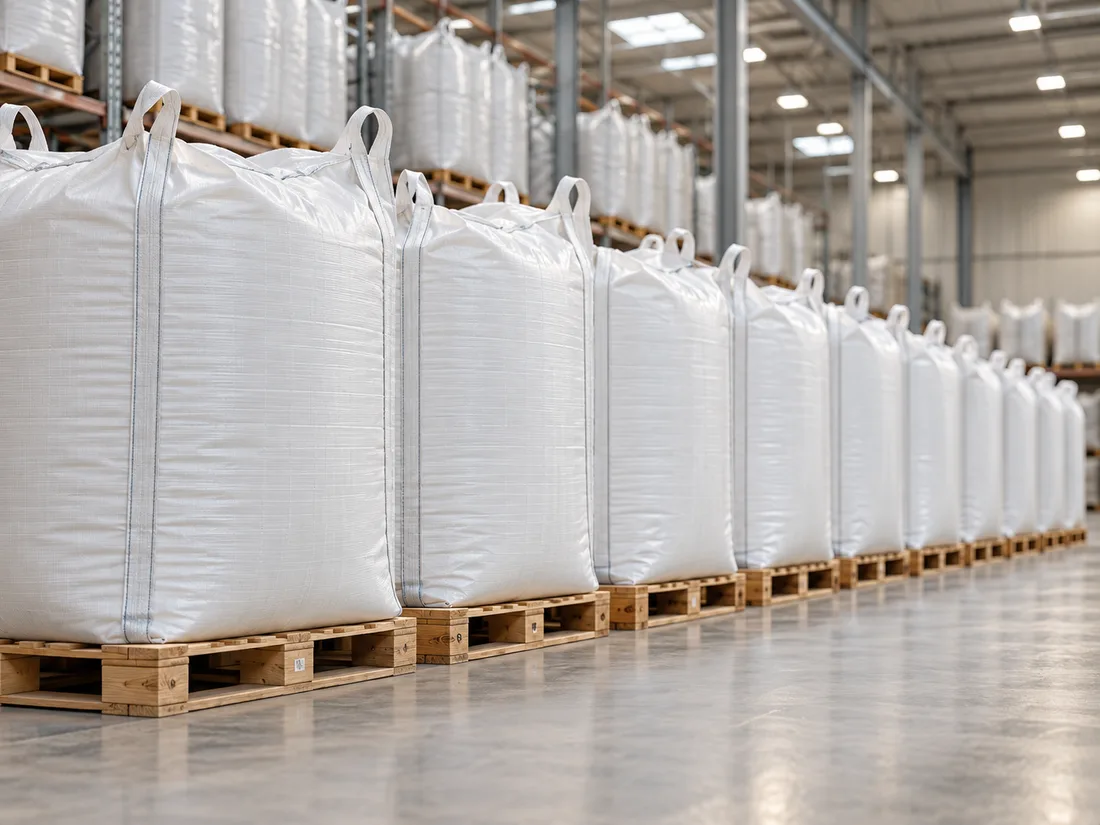
Compare receiving and storage considerations for whole, cut and roasted bulk almonds. Learn why form, moisture protection, oxygen exposure, packaging and facility conditions should shape your handling plan.
Read the guidePlan bulk walnut pieces receiving around packaging compatibility, clean and dry unloading, moisture protection and cool storage. The 0–10°C (32–50°F) range is a general walnut reference, not a lot-specific shelf-life promise.
Read the guideExplore ingredient specifications or share your volume, delivery needs, and buying requirements.