
Bulk Fish Oil Storage and Receiving: Plan for Oxidation Control
Plan bulk fish oil receiving and storage around compatible transfer equipment, controlled handling, and the facility’s actual unloading and storage conditions.
Read the guide
Practical guides to ingredients, specifications, and the questions worth asking before you buy.
Better ingredients.
Better questions.
Stronger connections.
Plan bulk fish oil receiving and storage around compatible transfer equipment, controlled handling, and the facility’s actual unloading and storage conditions.
Read the guideDefine cucumber size, appearance, firmness and defects around the intended slicing or pickling use. A use category is not a grade, and the applicable standard and tolerances should be specified before purchase.
Read the guideLearn how faba bean flour differs from whole beans, splits and protein ingredients—and which form, processing details, flavor and color considerations to evaluate in bread and pasta.
Read the guideCompare sweet potato powder by starting form and processing route, then review color, moisture, particle size and functional tests only where they matter to your process. Consistent methods and lot documents help distinguish product identity from performance requirements.
Read the guideWhey protein isolate 90 can contribute protein to yogurt, but its gelation effect depends on ingredient functionality, formulation, and processing—not protein content alone.
Read the guideCompare corn gluten feed pellet analyses on a consistent moisture basis, and read each nutrient measure for the distinct formulation question it answers. A reference value is not a substitute for the offered lot’s COA.
Read the guideA practical guide to distinguishing natural pasteurized and roasted filberts, and defining lot-specific moisture, oxidation, contaminant and microbiological results.
Read the guidePrepare for bulk frozen strawberries by aligning product form, packaging, unloading capability and frozen storage with your intended use and delivery location.
Read the guide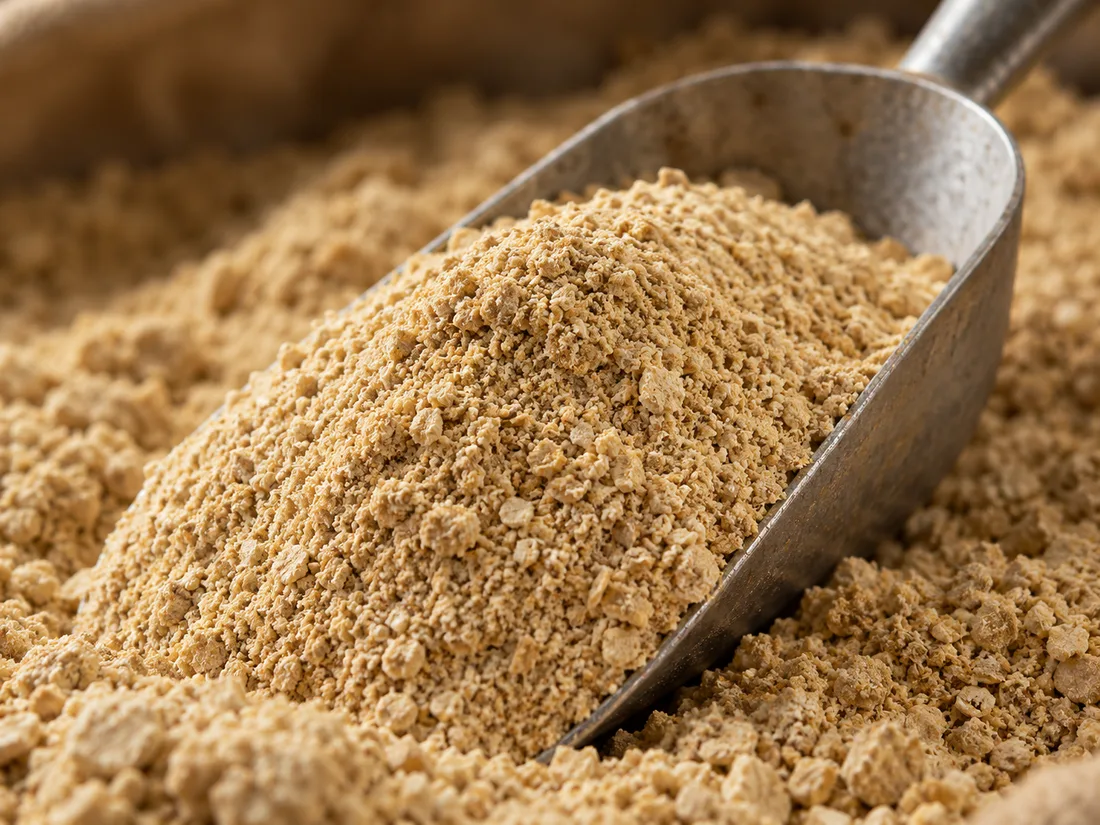
A dairy ration decision starts with the complete diet: forage, animal group, other protein sources, and the nutritionist’s nutrient and amino-acid targets. This checklist explains how to evaluate soybean meal’s role and what offer details to discuss before sourcing.
Read the guide
Learn how milk fat, moisture, free fatty acids and peroxide value work together when comparing ghee lot analyses—and why method, reporting basis and the applicable specification matter.
Read the guideWhole, cracked and ground red proso differ in particle size and feed-mill handling. Match the form and lot analysis to the complete ration, the intended animal and the facility’s process.
Read the guideCompare potato flake quality measures in the context of the intended use, and distinguish defined limits from supplier specifications and lot-specific results.
Read the guideExplore ingredient specifications or share your volume, delivery needs, and buying requirements.