
How to compare sesame oil quality measures and processing
Compare sesame oil processing and quality measures with a clear distinction between extraction method, refining, composition and lot-specific test results.
Read the guidePractical guides to ingredients, specifications, and the questions worth asking before you buy.
Better ingredients.
Better questions.
Stronger connections.
Compare sesame oil processing and quality measures with a clear distinction between extraction method, refining, composition and lot-specific test results.
Read the guideCompare hominy feed analyses on a consistent moisture basis, with attention to methods, units, sampling, and the distinction between reference values and lot-specific results.
Read the guideCompare pea fiber specifications on more than the headline fiber number. Source fraction, analytical method, reporting basis, particle size and water-binding test conditions all shape what a result means.
Read the guide
Plan a wet apple pomace order around quantity, timing, receiving capacity, and a preservation method. Fresh pomace is perishable; unloading and storage arrangements should follow directions for the actual product.
Read the guidePlan bulk split green peas receiving around the site’s quantity, timing, packaging, unloading, and dry-storage needs. Moisture protection, sanitation, and lot-specific handling information help operations receive and store the ingredient appropriately.
Read the guideCompare whole-kernel popcorn with already-popped product and assess the moisture, integrity, performance data and appearance that matter to your snack process.
Read the guideA practical framework for evaluating sweet potato flakes in a specific food recipe, from product identity and particle size to sensory testing and manufacturing trials.
Read the guide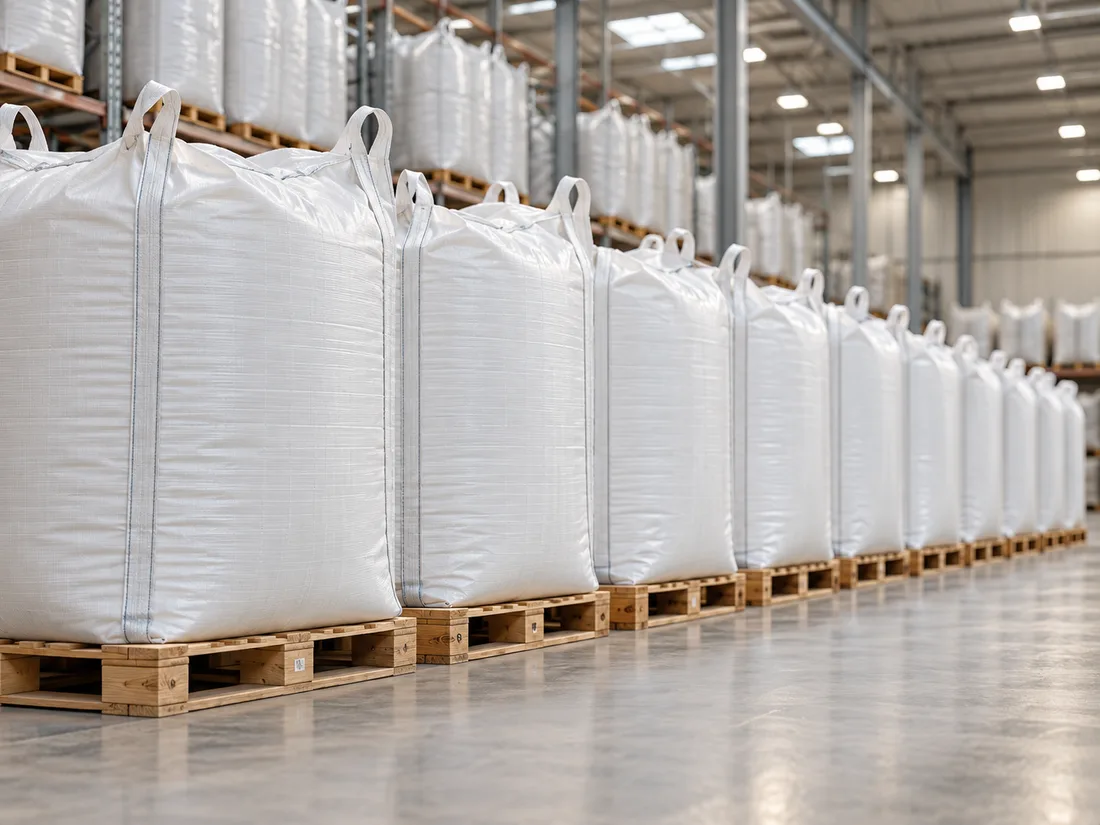
A practical guide to matching bulk cheese powder packaging with receiving equipment, moisture protection, storage directions and the product’s stated shelf life.
Read the guideA practical way to test instant whey protein isolate 90 for beverages is to assess wetting, dispersion, solubility and dissolution time as separate outcomes under conditions that reflect the intended mixing process.
Read the guideCompare lamb meal protein, fat and ash alongside moisture, calcium and phosphorus. Understand analytical basis, interpret ash as inorganic residue, and match lot results to the product definition.
Read the guideBefore considering Premium Blend Chips in a livestock ration, establish what the product is, verify its stated use, and have a qualified nutritionist assess the lot analysis in the context of the animal class and complete ration.
Read the guideCompare cashew kernel forms and grade terminology by defining the required size, condition, moisture and testing basis—then tie the agreed specification to the offered lot.
Read the guideExplore ingredient specifications or share your volume, delivery needs, and buying requirements.