
Planning receiving and storage for bulk filberts
Prepare a receiving plan for bulk filberts by specifying the product form, shipment details, facility limits and storage instructions applicable to the exact product and package.
Read the guide
Practical guides to ingredients, specifications, and the questions worth asking before you buy.
Better ingredients.
Better questions.
Stronger connections.
Prepare a receiving plan for bulk filberts by specifying the product form, shipment details, facility limits and storage instructions applicable to the exact product and package.
Read the guideA practical comparison of watermelon seed flour specifications, showing how plant part, processing, composition, particle size and reporting basis distinguish offers.
Read the guideA practical guide to defining medium sunflower chips with sieve openings, fraction tolerances, fines, kernel identity and comparable lot analysis.
Read the guideDefine observable quality criteria for bulk fresh broccoli by product form, with practical checks for compactness, floret condition, color and discoloration.
Read the guide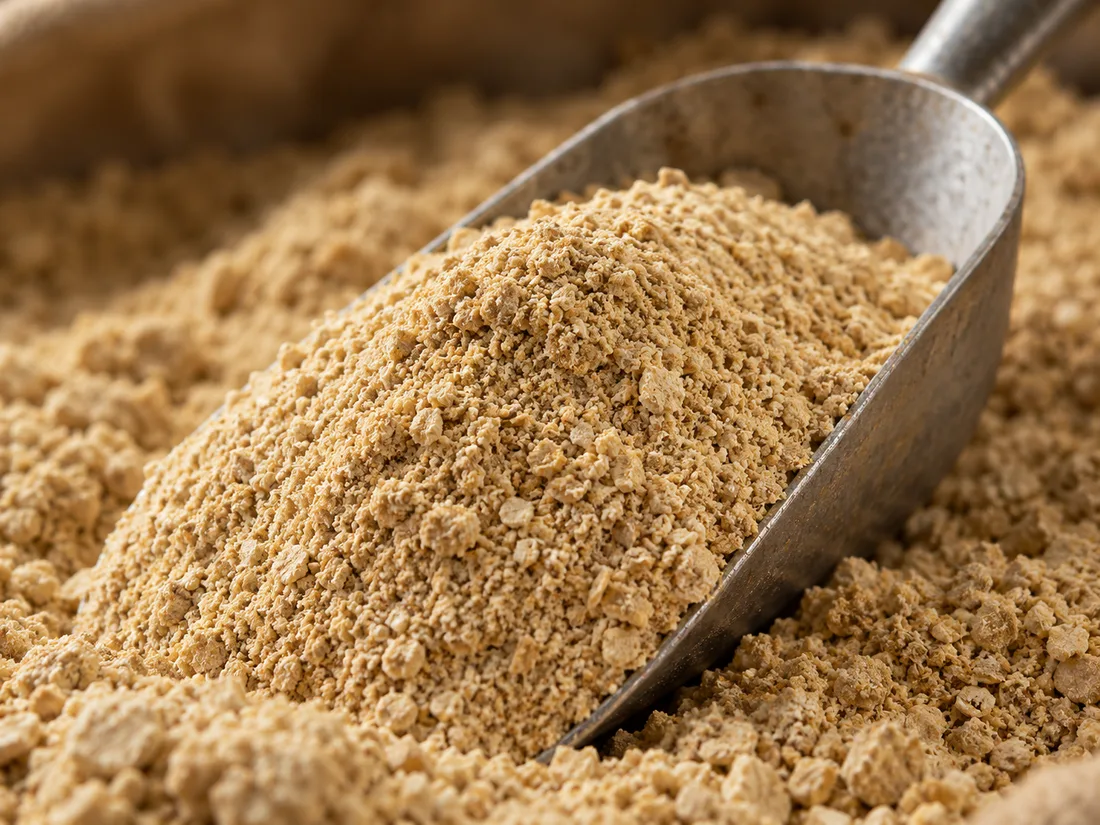
Whole soybeans retain their oil, while soybean meal is the solid residue after oil extraction. That difference affects each ingredient’s role in a livestock ration, and whole beans also require attention to heat treatment. Compare the specific product and intended animal with a nutritionist before choosing a form.
Read the guideCorn syrup solids can enter a dry blend as a powder and may also need to disperse when the finished mix meets liquid. DE, particle characteristics and actual preparation conditions answer different formulation questions; define the required grade around the process.
Read the guideA practical guide for bakeries planning bulk bakery kernels orders, from identifying the exact blend and arranging receiving to relying on product-specific storage and shelf-life instructions.
Read the guidePlan bulk black-eyed peas receiving around your facility’s packaging workflow, cleaning capacity, processing schedule and storage conditions. Bagged and loose bulk handling require different equipment and staging; moisture context and protection from insects matter while product waits for processing.
Read the guideCompare navy bean lots by market-class identity and defined inspection criteria—not color or grade alone. Moisture, splits, damage, contrasting classes, foreign material and dockage each need clear methods and contract tolerances.
Read the guideA practical look at how herring fish meal fits into aquafeed recipes and extrusion trials, and why its effects must be evaluated alongside the full formulation and production conditions.
Read the guideChoosing safflower oil for margarine starts with two separate questions: which fatty-acid profile the formula needs, and which processing description fits the product and process. Define both before evaluating a specific lot.
Read the guidePlan anhydrous milk fat receiving around the offered liquid or granular form, compatible unloading equipment, product-specific handling instructions and manufacturer date guidance.
Read the guideExplore ingredient specifications or share your volume, delivery needs, and buying requirements.