
Planning bulk cheese receiving and storage
Prepare a bulk cheese order by defining the exact product and matching its quantity, packaging, destination, unloading plan, and product-specific storage instructions to your facility.
Read the guide
Practical guides to ingredients, specifications, and the questions worth asking before you buy.
Better ingredients.
Better questions.
Stronger connections.
Prepare a bulk cheese order by defining the exact product and matching its quantity, packaging, destination, unloading plan, and product-specific storage instructions to your facility.
Read the guide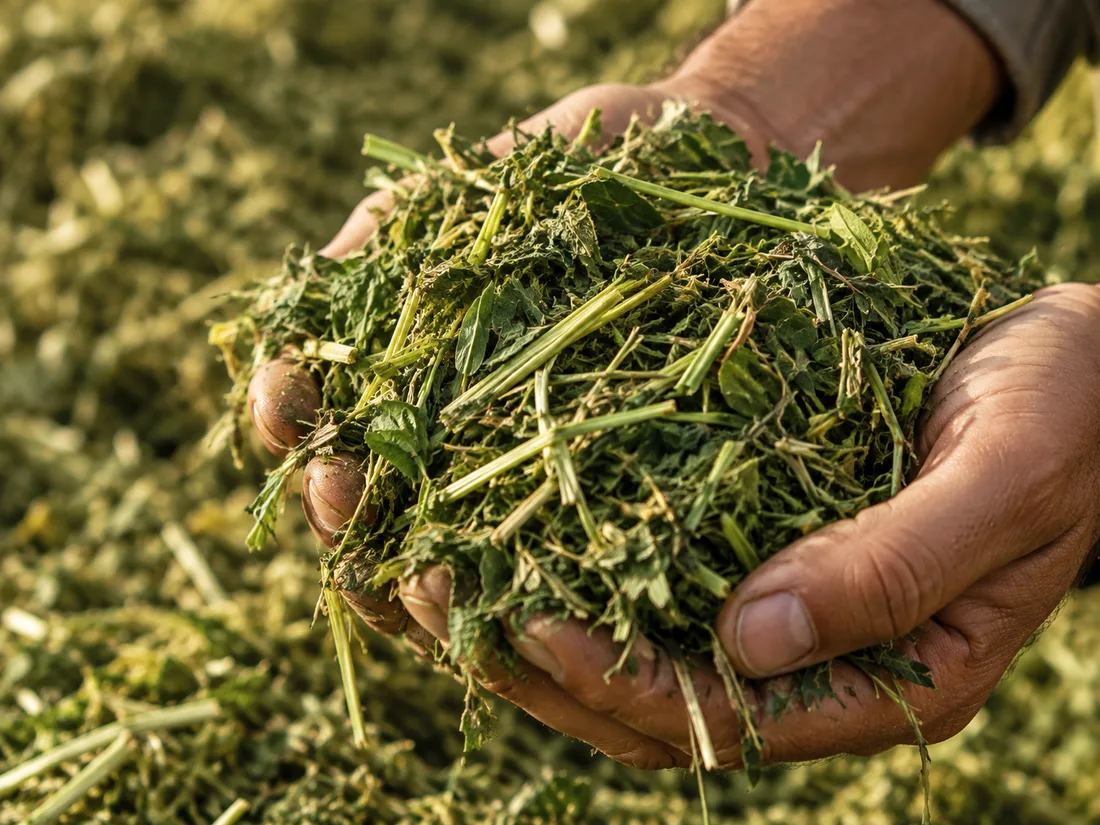
Compare Golden German millet hay with round-bale and chopped silage by preservation method, moisture considerations, storage and receiving needs before choosing a bulk forage form.
Read the guideCompare peanut hull analyses on a consistent reporting basis. Learn what moisture, protein, fiber, energy, fat and mineral results can tell you—and what to verify before using an analysis to evaluate an offered lot.
Read the guidePlan bulk chia oil delivery around your facility’s quantity, packaging and receiving needs, then protect oil quality by limiting exposure to oxygen, light, heat and moisture.
Read the guideSource species helps characterize fish oil, but a lot-specific EPA and DHA analysis is what lets an aquafeed nutritionist assess its contribution to a species-specific formulation.
Read the guideBeet pulp shreds can contribute fiber and dietary energy to a horse’s ration. Learn how to discuss their role and soaking with an equine nutrition professional before defining a bulk sourcing requirement.
Read the guidePowdered sugar’s fine particles distinguish it from crystalline sucrose, while starch or another anticaking agent can make one powdered formulation behave differently from another. Understand both factors before substituting or scaling a food recipe.
Read the guide
Plan bulk mixed tree nuts receiving around species, shell status, product form, unloading compatibility, and protection from moisture, pests, mold, and oxidation.
Read the guideA practical guide to comparing menhaden fish meal analysis, from reporting basis and core composition fields to amino acids, solubles status and lot-specific freshness results.
Read the guideKabuli and Desi chickpeas differ visibly as whole seeds, but flour performance depends on the actual ingredient and process. Compare form and product characteristics, then test the flour in the target recipe.
Read the guideCompare pineapple juice using three distinct measures: °Brix for refractive soluble solids, acidity for acid balance, and pulp or insoluble solids for suspended fruit material. The right specification depends on the intended use, product form and preservation state.
Read the guideA practical guide to planning wet vegetable pomace receiving and storage around lot history, moisture, stabilization, packaging and facility constraints.
Read the guideExplore ingredient specifications or share your volume, delivery needs, and buying requirements.