
Receiving and Storing Bulk Peanut Splits
Plan bulk peanut splits delivery around your facility’s quantity, destination, packaging, unloading and dry-storage requirements.
Read the guide
Practical guides to ingredients, specifications, and the questions worth asking before you buy.
Better ingredients.
Better questions.
Stronger connections.
Plan bulk peanut splits delivery around your facility’s quantity, destination, packaging, unloading and dry-storage requirements.
Read the guideDefine cucumber size, appearance, firmness and defects around the intended slicing or pickling use. A use category is not a grade, and the applicable standard and tolerances should be specified before purchase.
Read the guidePrepare for bulk potato starch before it arrives: specify the order and receiving setup, make packaging and unloading compatible, and arrange clean, dry storage. Use the actual product’s instructions for shelf-life and storage limits.
Read the guideStriped sunflower seed is larger and has a tougher shell than black-oil sunflower. Compare feeder access, target birds and mix behavior before choosing it for a bird-feeding application.
Read the guide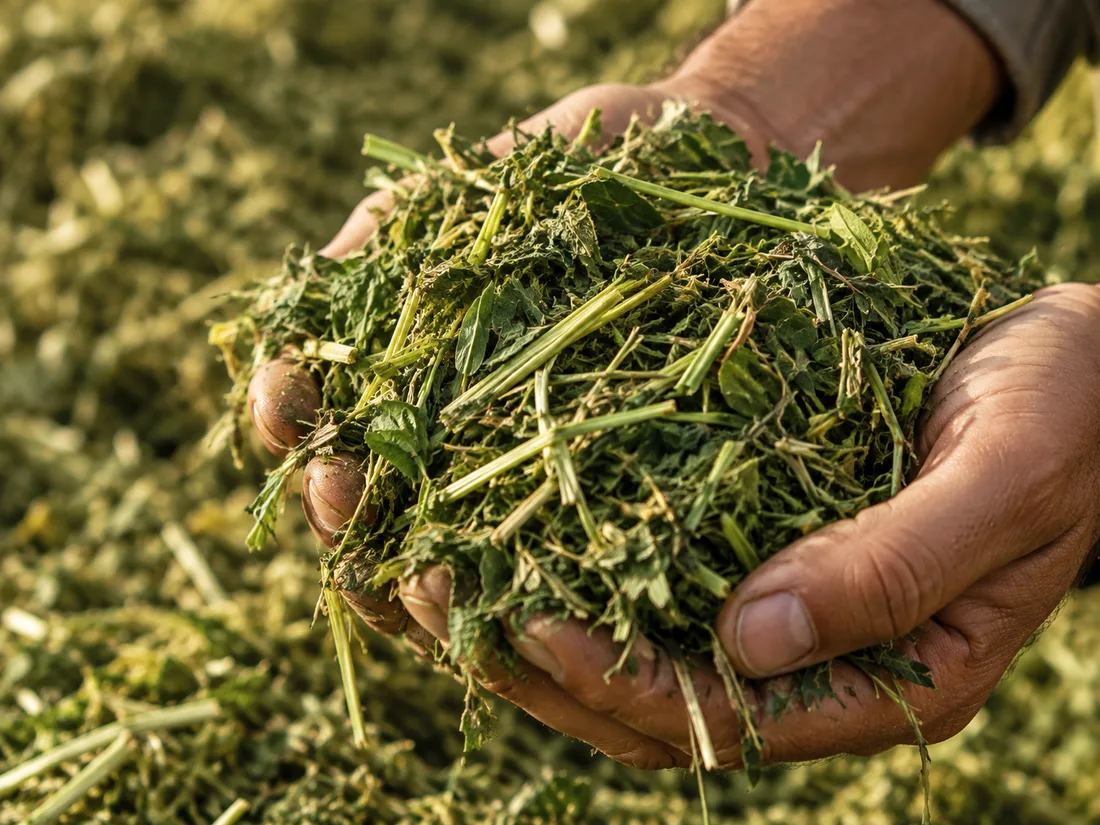
Red Siberian foxtail millet planting seed is a crop-establishment choice, not a measure of harvested forage quality. Separate seed evaluation from field results and assess the harvested material with a current, clearly based analysis.
Read the guidePlan fresh cucumber transit and storage around the 10–12.5°C (50–55°F) temperature range, high humidity, chilling risk below 10°C (50°F), cultivar sensitivity and ethylene exposure.
Read the guideEvaluate porcine meat meal for swine diets by checking product identity, lot analysis, amino-acid and relevant digestibility information, then formulating against the complete ration and its requirements.
Read the guideWhey protein concentrate grade names offer a quick indication of protein tier, but meaningful comparisons require a shared reporting basis and a broader view of composition. Learn how to read dry-basis and as-sold protein alongside lactose, fat, ash and moisture.
Read the guideA formulation-focused guide to evaluating dried papaya seed meal for poultry, with attention to ingredient identity, analysis, antinutritional factors and species-specific review.
Read the guideCompare spray-dried porcine plasma offers by verifying ingredient identity, reading crude protein and ash alongside their measurement basis, and separating guaranteed limits from lot-specific results.
Read the guide“Japanese” alone is not a commodity identity. Establish the exact ingredient, its form and processing, and what the descriptor means before comparing specifications or requesting a quote.
Read the guidePlan bulk kelp receiving around its form, particle size, packaging and unloading setup. Protect the product from moisture and check date coding and storage directions for the actual lot.
Read the guideExplore ingredient specifications or share your volume, delivery needs, and buying requirements.