
Choosing pumpkin powder for bakery formulations
A practical framework for comparing pumpkin powder identity, processing, sensory qualities and particle characteristics before a bakery production trial.
Read the guidePractical guides to ingredients, specifications, and the questions worth asking before you buy.
Better ingredients.
Better questions.
Stronger connections.
A practical framework for comparing pumpkin powder identity, processing, sensory qualities and particle characteristics before a bakery production trial.
Read the guideA practical guide to comparing peanut hull pellet analyses: align moisture basis, units and nutrient definitions before comparing values, and evaluate energy figures and pellet condition in context.
Read the guideCompare cranberry pomace analyses on a like-for-like basis: identify the form, account for moisture, and check the methods and reporting basis before interpreting composition.
Read the guide
Compare cassava flour moisture and cyanide results on a defined, consistent basis. Learn which details make lot analyses meaningful for food or feed use.
Read the guideA useful almond meal specification identifies whether the product is ground kernels, press cake, or another almond fraction, then reports composition and particle size on a clear, comparable basis.
Read the guideCompare hempseed meal analyses on the same reporting basis and tie results to the process, lot and sampling date. Moisture, protein, residual oil, fiber and ash each add context to a bulk ingredient decision.
Read the guideCompare citrus pulp pellets on a consistent analysis basis. Understand how moisture affects as-fed and dry-matter values, and what to review across the nutrient panel before using figures in a ration.
Read the guideA practical framework for assessing duck meal identity and analytical data in dog and cat food formulas—without mistaking a single nutrient value for proof of formula suitability.
Read the guideEvaluate salmon oil for pet food by matching its intended-use grade, verified fatty-acid profile and processing to the formula. A research-diet inclusion level is not a commercial rate; review the offered product documentation and the complete recipe before setting one.
Read the guide
A practical guide to interpreting alfalfa hay and silage analyses in a complete ruminant ration, with attention to form, protein, fiber, energy measures and reporting basis.
Read the guide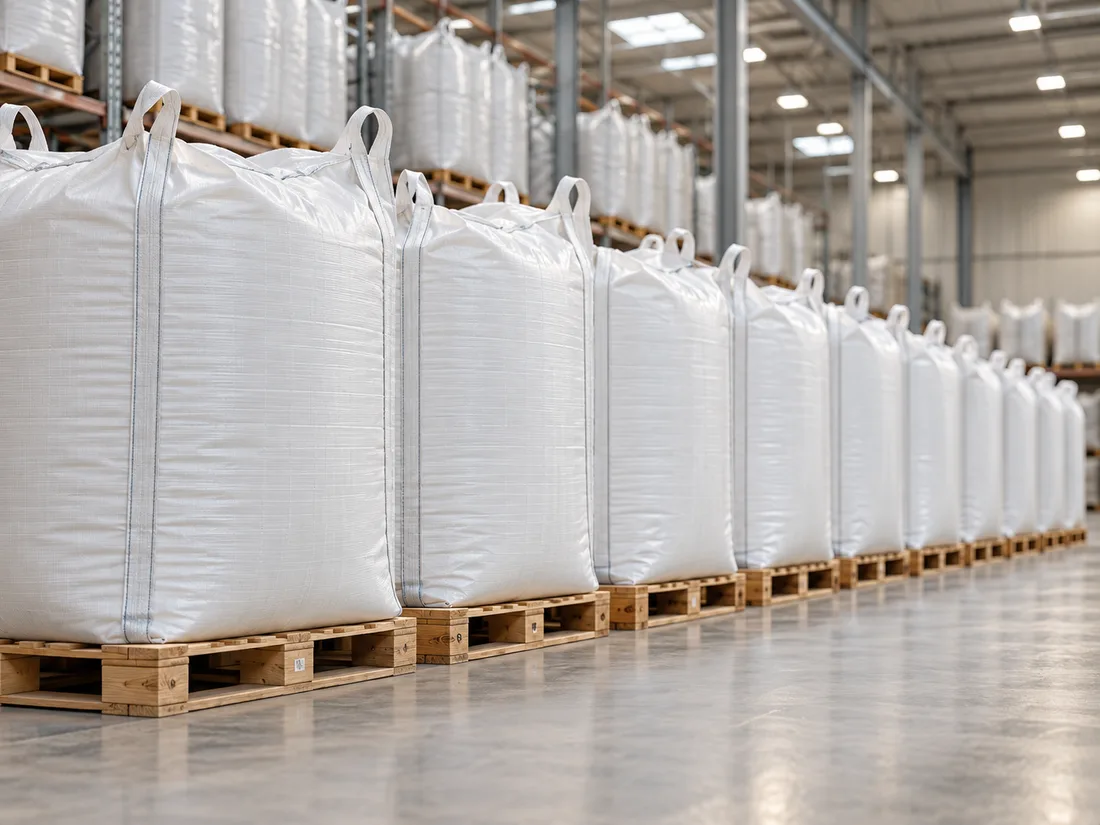
A practical guide to matching bulk cheese powder packaging with receiving equipment, moisture protection, storage directions and the product’s stated shelf life.
Read the guideCompare whole milk powder analysis on matching reporting bases and test methods. Learn how to read fat, protein, moisture and solubility results—and distinguish specification limits from lot-specific COA values.
Read the guideExplore ingredient specifications or share your volume, delivery needs, and buying requirements.