
How to compare poultry fat quality analysis
Understand what poultry fat FFA, acid value, peroxide value, moisture, insolubles and fatty-acid profile each measure—and how to compare an offered specification with a lot analysis.
Read the guidePractical guides to ingredients, specifications, and the questions worth asking before you buy.
Better ingredients.
Better questions.
Stronger connections.
Understand what poultry fat FFA, acid value, peroxide value, moisture, insolubles and fatty-acid profile each measure—and how to compare an offered specification with a lot analysis.
Read the guideWhole, split and broken black beans can serve different processing needs. Compare visual requirements, sorting expectations and process performance separately before specifying a bulk order.
Read the guide
Plan bulk buttermilk powder receiving around package compatibility, lot information and safe unloading. Keep the powder protected from moisture and elevated temperatures, and follow the storage instructions for the specific product.
Read the guideThe right quality questions for frozen raspberries depend on whether the fruit will be presented directly or used in manufacturing. Compare appearance, condition, flavor, and odor against a clearly defined specification—not an unexplained grade label.
Read the guide
Compare forage kale analyses on a consistent dry-matter or as-fed basis, and interpret protein, fiber and energy measures according to the form tested and method used.
Read the guidePoultry nutritionists evaluating cottonseed meal need to look beyond crude protein. Gossypol measurement, amino-acid availability, processing and the intended poultry ration all shape whether a specific product fits.
Read the guideFresh spinach needs prompt refrigerated receiving, while dried leaf and ground spinach require form- and package-specific handling. Match the receiving plan to the product you are sourcing.
Read the guide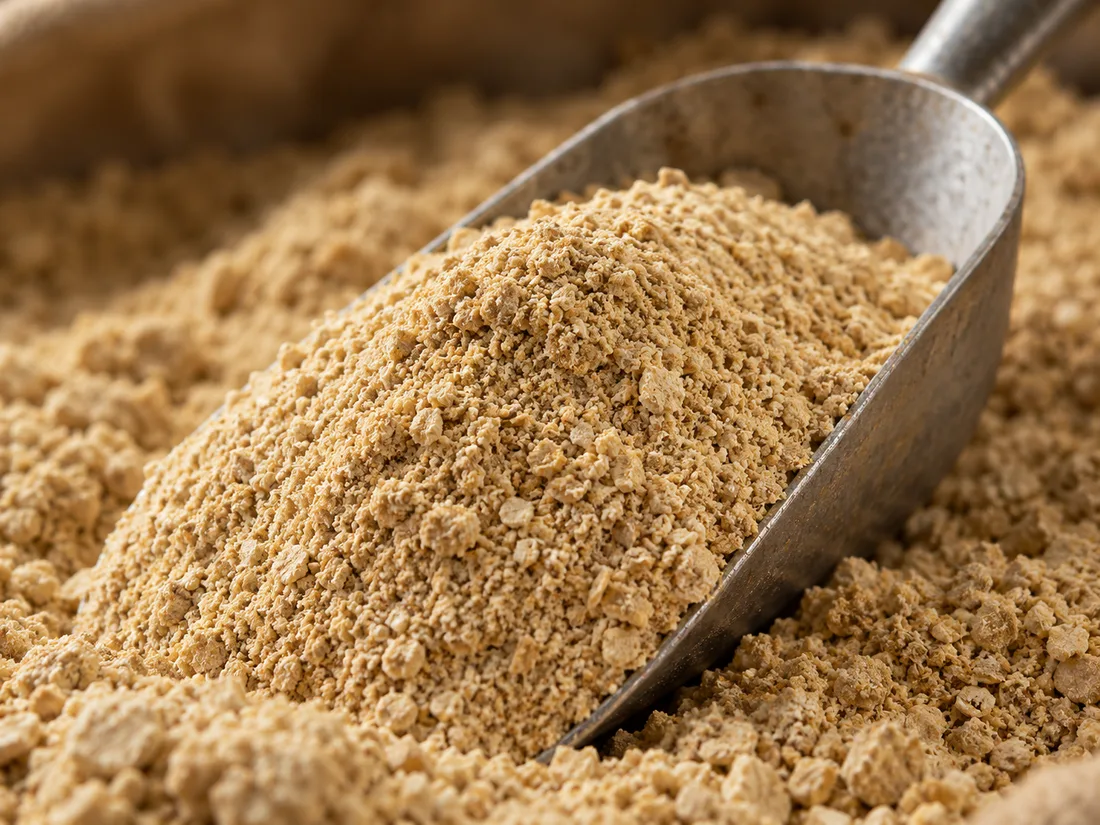
Soybean meal protein percentages reported as-fed and on a dry-matter basis cannot be compared directly. Align moisture, reporting basis, method information, and the context of each COA before evaluating supplier values.
Read the guide
A practical guide to defining bulk brown rice acceptance criteria for grain class, kernel integrity, defects, foreign material and moisture—without assuming one grade fits every use.
Read the guideDried black soldier fly larvae can enter poultry formulations in different physical forms and with different fat content. Compare the exact product’s lot analysis and evaluate it within the complete diet for the intended poultry type rather than applying a universal inclusion recommendation.
Read the guideA practical guide to evaluating wheat for bread flour: connect grain characteristics and flour tests to the dough and baking performance your mill needs.
Read the guidePlan a safflower delivery around the product form, your site’s unloading setup and the storage instructions for the specific seed or meal offer.
Read the guideExplore ingredient specifications or share your volume, delivery needs, and buying requirements.