
How to compare WPC 70 and WPC 80 specifications
Compare WPC 70 and WPC 80 by aligning protein basis and test method, then reviewing moisture, lactose, fat and ash. Add functional data only when it matches the needs of your process.
Read the guidePractical guides to ingredients, specifications, and the questions worth asking before you buy.
Better ingredients.
Better questions.
Stronger connections.
Compare WPC 70 and WPC 80 by aligning protein basis and test method, then reviewing moisture, lactose, fat and ash. Add functional data only when it matches the needs of your process.
Read the guide
Plan bulk milo delivery around site capacity, inspect grain condition at receipt, and monitor moisture, odor, insects, and heating in storage.
Read the guide“Colored safflower” is not a complete specification. Define whether color must be natural or may be applied, then agree on appearance criteria, treatment records, quality measures and a shared sampling basis.
Read the guide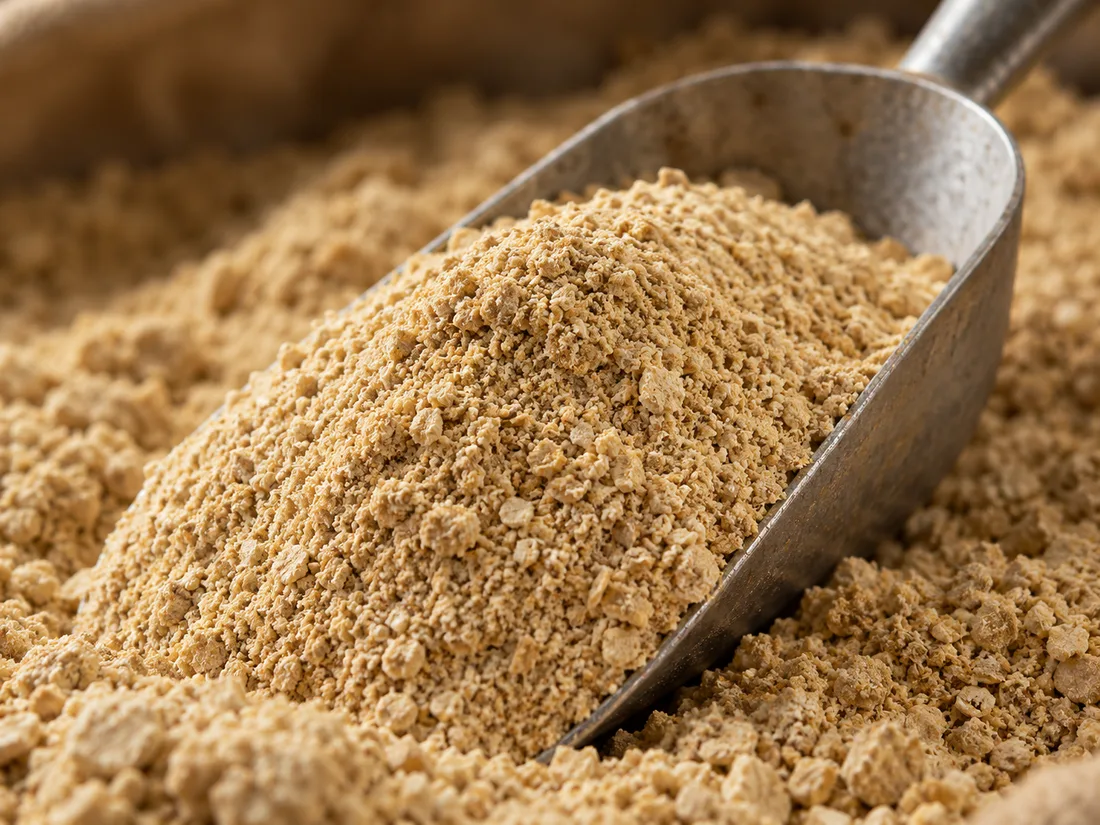
A dairy ration decision starts with the complete diet: forage, animal group, other protein sources, and the nutritionist’s nutrient and amino-acid targets. This checklist explains how to evaluate soybean meal’s role and what offer details to discuss before sourcing.
Read the guideAvocado material findings in goats, dogs and cattle are not interchangeable. The fruit fraction, processing, species and study methods determine what a result can support—and whether it helps evaluate a particular meal.
Read the guideCompare sweet whey powder analyses on the same basis and with clearly identified methods. Moisture, lactose, protein, fat, ash and acidity results each describe a different aspect of the powder.
Read the guideA practical guide to comparing refined canola oil specifications, test methods and lot documents against the requirements of a particular application.
Read the guideFresh, dried and ensiled apple pomace call for different receiving and storage plans. Match the preservation form to your unloading setup, available space and product-specific handling directions.
Read the guide
A practical comparison of whole-fruit style, size convention, grade, defects and moisture basis for bulk prunes, including how to distinguish ordinary dried fruit from separately specified low-moisture product.
Read the guideA practical receiving and storage plan for fresh cull cabbage feed starts with a ready destination, prompt unloading and a realistic use schedule. Because cabbage is perishable and low in dry matter, preservation by ensiling must be evaluated for the actual material and process.
Read the guidePrecooked, dehydrated hulled millet differs from raw dehulled grain in its processing history and preparation needs. Learn what to evaluate when using it in meals, salads and soups.
Read the guideCranberry juice, concentrate, blends and drinks can differ in water content and ingredient composition. Define the exact form and compare relevant specifications before using an ingredient in a food formulation.
Read the guideExplore ingredient specifications or share your volume, delivery needs, and buying requirements.