
Papaya quality measures: what to compare by product form
A form-specific guide to comparing papaya puree and dried papaya, with practical explanations of moisture, water activity, °Brix, color and microbiological quality.
Read the guidePractical guides to ingredients, specifications, and the questions worth asking before you buy.
Better ingredients.
Better questions.
Stronger connections.
A form-specific guide to comparing papaya puree and dried papaya, with practical explanations of moisture, water activity, °Brix, color and microbiological quality.
Read the guideA practical guide to comparing bulk dried plum specifications by form, grade, size, moisture basis, defects, pit fragments and treatment.
Read the guide
Understand why fried and dried banana chips can show different moisture and oil results, and how to compare methods, product identity, slice condition and aroma.
Read the guideLearn how moisture changes the dry matter represented by a cull onion load and how to compare nutrient analyses reported on different bases.
Read the guide
Plan a bulk kale order around its actual form: fresh, frozen, dried or harvested forage. Each requires a different receiving area, unloading plan and storage approach.
Read the guideA practical guide to assessing pumpkin pulp powder for bakery products and premixes, with a focus on plant-part identity, moisture, particle form and product-specific food documentation.
Read the guideA practical guide to specifying maple peas by appearance, size, breakage and foreign material so buyers can compare lot details on a clear, consistent basis.
Read the guide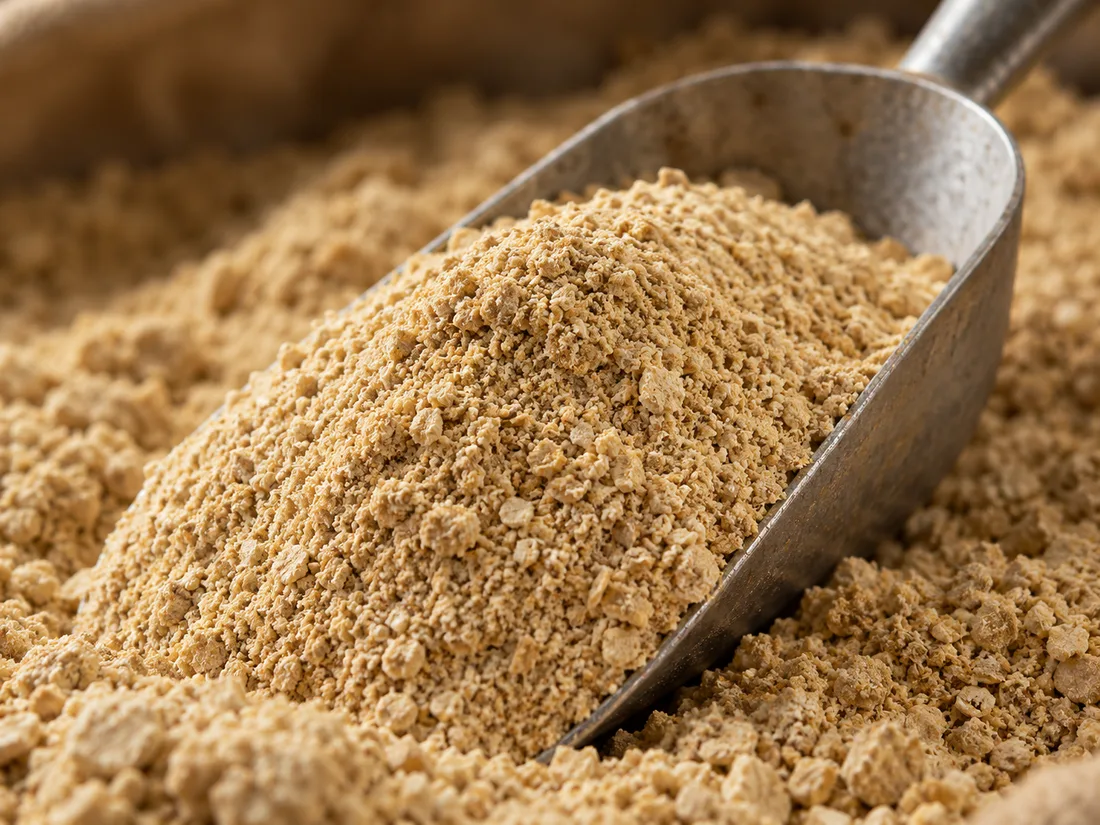
Soybean meal protein percentages reported as-fed and on a dry-matter basis cannot be compared directly. Align moisture, reporting basis, method information, and the context of each COA before evaluating supplier values.
Read the guideA practical guide to evaluating dried mealworms in poultry feed, from bird and ration context to product form and the analysis needed for a sound formulation review.
Read the guide
Plan bulk hazelnut receiving around the kernel form, package, unloading setup and storage conditions. Roasted kernels and pieces call for deliberate exposure management, with lot-specific shelf-life and handling instructions guiding storage.
Read the guideChoose carrot powder for a beverage by distinguishing tissue powder from juice-derived powder, comparing carrot solids and carrier composition, and testing dispersion and texture under your actual mixing conditions.
Read the guideWhole, cracked and ground red proso differ in particle size and feed-mill handling. Match the form and lot analysis to the complete ration, the intended animal and the facility’s process.
Read the guideExplore ingredient specifications or share your volume, delivery needs, and buying requirements.