
Potato Flake Specifications: Comparing Quality Measures
Compare potato flake quality measures in the context of the intended use, and distinguish defined limits from supplier specifications and lot-specific results.
Read the guidePractical guides to ingredients, specifications, and the questions worth asking before you buy.
Better ingredients.
Better questions.
Stronger connections.
Compare potato flake quality measures in the context of the intended use, and distinguish defined limits from supplier specifications and lot-specific results.
Read the guide
Plan bulk canola meal receiving around the form your equipment can handle, the shipment details your site requires, and storage conditions appropriate to the offered product.
Read the guideGlabrous canary seed has a smooth hull, unlike types with fine silicified hairs. For food-use purchasing, specify hull type separately from processing form, and evaluate identity and cross-contact against your market and quality requirements.
Read the guidePlan bulk lentil receiving around product form, shipment quantity, facility equipment and storage conditions. Moisture assessment and lot storage history help inform acceptance and handling decisions.
Read the guide
Understand how dry-bean grade factors differ from the full food-processing specification needed to purchase pinto beans, including moisture, defects, foreign material, stones and class.
Read the guideCompare sulfited and unsulfured dried apricots by treatment, color, cut, moisture, water activity and defect criteria—with each result tied to a clear measurement basis.
Read the guideRed seed color is an identity and appearance detail, not a full grade. Compare red proso lots by physical condition, processing form and lot-specific feed analysis, with each measurement and reporting basis defined for the intended use.
Read the guideBulk peaches need form-specific receiving plans. Fresh fruit is perishable, dried peaches rely on packaging that maintains their low-moisture condition, and liquids or processing by-products require handling guidance for the actual product.
Read the guide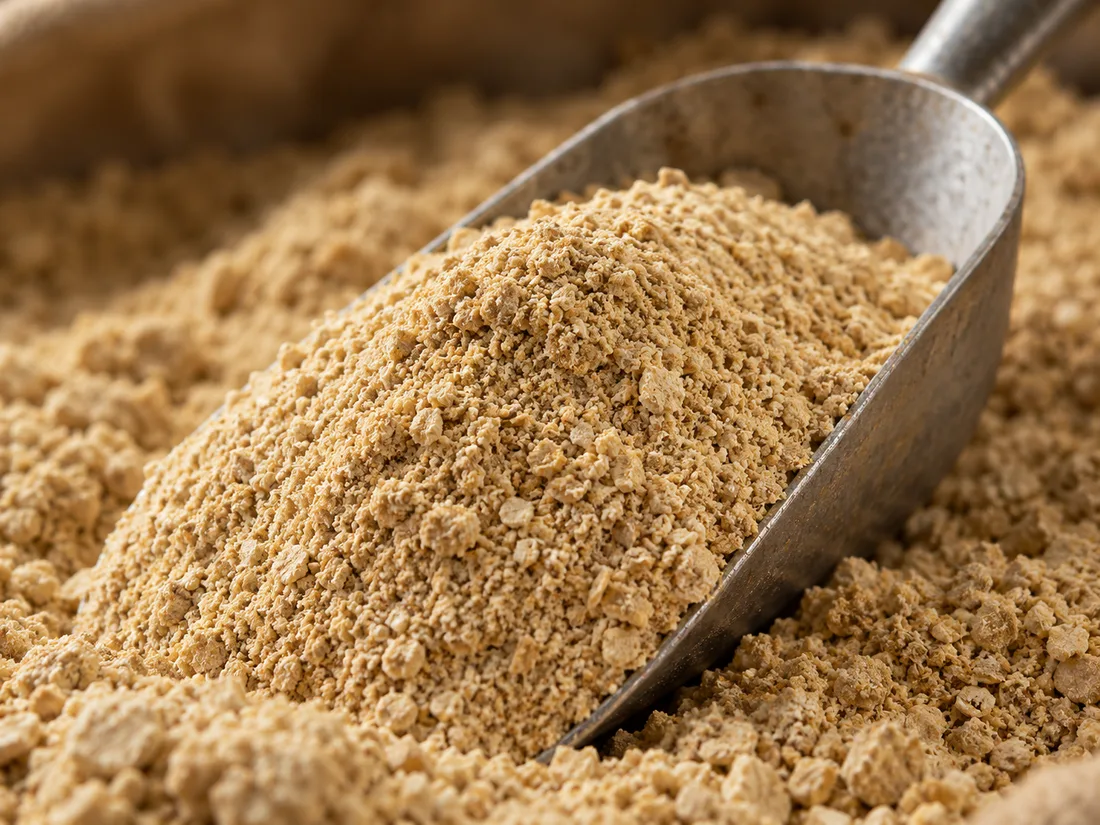
Soybean meal protein percentages reported as-fed and on a dry-matter basis cannot be compared directly. Align moisture, reporting basis, method information, and the context of each COA before evaluating supplier values.
Read the guidePineapple pulp carries fruit solids that can contribute texture; juice is a liquid ingredient. Compare the specific product’s physical form, processing, and receiving needs against your formulation before sourcing.
Read the guideA lot-specific framework for evaluating pea screenings in swine rations, from sample inspection and nutrient results to animal class, foreign material and whole-diet balance.
Read the guideDried unripe banana slices and fried snack chips are not interchangeable ingredients. Understand maturity, processing and composition before milling or cooking with banana chips.
Read the guideExplore ingredient specifications or share your volume, delivery needs, and buying requirements.