
Planning bulk wheat bran receiving and storage
Plan bulk wheat bran receiving before the order is booked: match flakes or meal to your equipment, define quantity and delivery details, and prepare dry, protected storage.
Read the guide
Practical guides to ingredients, specifications, and the questions worth asking before you buy.
Better ingredients.
Better questions.
Stronger connections.
Plan bulk wheat bran receiving before the order is booked: match flakes or meal to your equipment, define quantity and delivery details, and prepare dry, protected storage.
Read the guideInterpret venison meal bone content by combining a clear ingredient and tissue description with ash, calcium, phosphorus, analytical basis, and lot-specific results. No single mineral value establishes bone percentage.
Read the guideSpecify ground corn by its measured particle-size distribution and test method—not simply as fine or coarse. Match the requirement to the feed process and verify the offered target and analysis basis for the specific product.
Read the guideCompare lactose monohydrate and anhydrous lactose by confirming product identity, moisture and assay reporting basis, test methods, lot-specific COA results, and requirements tied to the intended process.
Read the guideGround corn contributes energy to swine rations, but its protein and mineral profile must be evaluated within the complete formula. Amino-acid balance, calcium, phosphorus, particle size and lot analysis all inform the nutritionist’s decision.
Read the guideChicken fat can contribute dietary energy, fatty acids and flavor to pet food. Match ingredient identity, processing description and lot analysis to the formulation and production process before sourcing.
Read the guideChoose carrot powder for a beverage by distinguishing tissue powder from juice-derived powder, comparing carrot solids and carrier composition, and testing dispersion and texture under your actual mixing conditions.
Read the guideCompare black bean canning quality by separating hydration, washed-drained yield, color, appearance and texture—and checking the methods and sample conditions behind each result.
Read the guideCranberry juice, concentrate, blends and drinks can differ in water content and ingredient composition. Define the exact form and compare relevant specifications before using an ingredient in a food formulation.
Read the guideCracked corn supplies starch-rich grain energy, but its role in a beef cattle ration depends on the cattle, forage, other ingredients and feeding management. Understand when processing matters and what to review with a nutritionist.
Read the guidePrepare a bulk rice protein order for a workable delivery by defining the product, quantity, destination, packaging, unloading needs and timing. Use the specific product’s current documentation for storage and handling directions.
Read the guide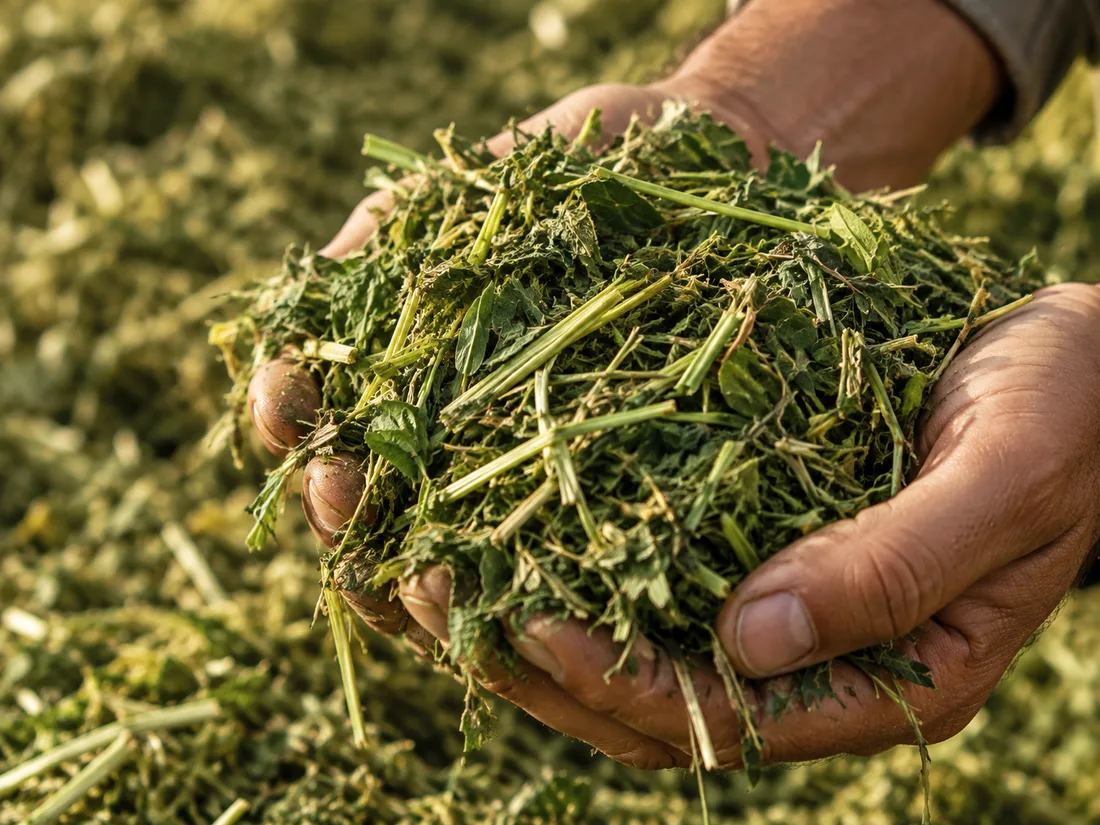
Compare forage kale analyses on a consistent dry-matter or as-fed basis, and interpret protein, fiber and energy measures according to the form tested and method used.
Read the guideExplore ingredient specifications or share your volume, delivery needs, and buying requirements.