
Planning bulk chickpea protein receiving and storage
Plan chickpea protein receiving around the order details, facility constraints, product-specific storage information and traceable lot records.
Read the guide
Practical guides to ingredients, specifications, and the questions worth asking before you buy.
Better ingredients.
Better questions.
Stronger connections.
Plan chickpea protein receiving around the order details, facility constraints, product-specific storage information and traceable lot records.
Read the guidePumpkin seed meal and cake can differ in extraction history, residual fat and physical form. Compare process identity and a complete analysis reported on a consistent basis before treating lots as interchangeable.
Read the guidePrepare for a bulk kiwi pomace shipment by defining the product form, quantity, packaging, destination and receiving constraints. Storage instructions depend on the specific product’s processing and packaging.
Read the guideTomato pomace can differ substantially by form and by the mix of peel, seed and pulp. Learn how moisture, fiber analysis and the complete ration shape its evaluation for ruminant feed.
Read the guideChoosing cheese powder for a dry mix starts with the intended flavor, cheese base and full ingredient composition. Match the powder’s physical characteristics to the blend and process, then evaluate the specific product in the formulation.
Read the guidePrepare to receive and store bulk blood meal powder by matching the order details, packaging and unloading method to your facility, then protecting the product from moisture and contamination.
Read the guideBulk tomato pomace receiving depends on form. Plan wet material for prompt use or preservation, protect dry forms from moisture and contamination, and match unloading and storage arrangements to the product arriving.
Read the guide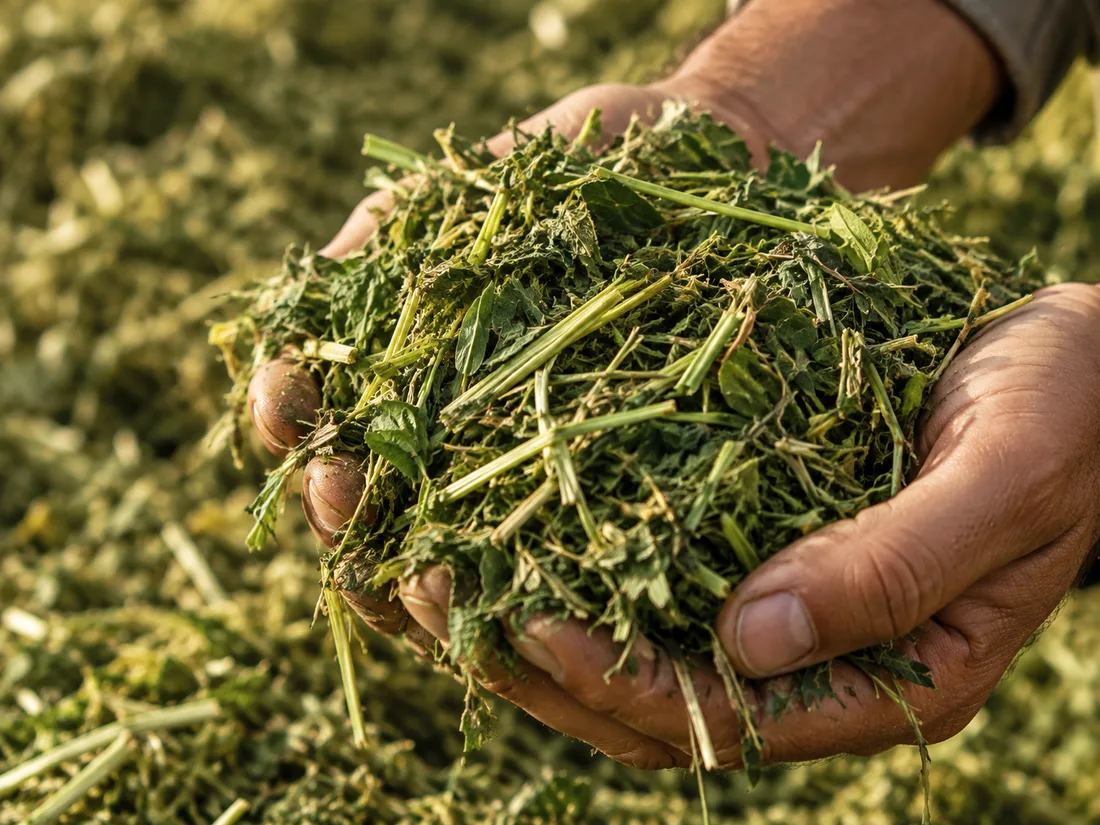
Alfalfa meal raises different formulation questions in poultry, growing pigs and gestating sows. Compare pigment objectives, fiber and nutrient composition against the complete diet and the intended animal group.
Read the guideBulk date storage depends on whether the shipment is whole or pitted fruit, paste, syrup or a dry by-product. Compare product form, packaging and receiving needs, then follow the handling directions for the specific offer.
Read the guideCompare anhydrous milk fat quality results by what each test measures, how its units and mass basis are reported, and whether a lot-specific COA matches the requirements in your food contract.
Read the guideCompare soy hull pellet analyses on the same basis, using moisture or dry matter to interpret protein, fiber and energy. Additive status matters because molasses or binder can affect the composition of the finished pellet.
Read the guidePlan bulk barley receiving around the product form, order size, destination, site equipment and storage conditions. The lot’s moisture, temperature and condition—together with the intended holding period and local handling practices—should guide the storage plan.
Read the guideExplore ingredient specifications or share your volume, delivery needs, and buying requirements.