
Planning rapeseed bulk receiving and storage
Plan bulk rapeseed receiving by identifying whether the shipment is seed, oil or meal, then matching quantity, packaging, unloading capability and storage arrangements to that form.
Read the guide
Practical guides to ingredients, specifications, and the questions worth asking before you buy.
Better ingredients.
Better questions.
Stronger connections.
Plan bulk rapeseed receiving by identifying whether the shipment is seed, oil or meal, then matching quantity, packaging, unloading capability and storage arrangements to that form.
Read the guidePlan bulk white milo receiving around lot moisture, unloading capacity and sorghum’s higher resistance to airflow than corn. Match storage and aeration decisions to the grain’s condition and your facility.
Read the guideCompare citrus pulp pellets on a consistent analysis basis. Understand how moisture affects as-fed and dry-matter values, and what to review across the nutrient panel before using figures in a ration.
Read the guideBefore testing sour cherry pomace in bakery filling, establish whether it is wet or dried, its particle and pit content, how it was processed, and which food-safety specifications apply.
Read the guideA practical guide to comparing wet pressed and dried sugar beet pulp analyses on a consistent basis, from moisture and dry matter to protein, energy, fiber, and minerals.
Read the guide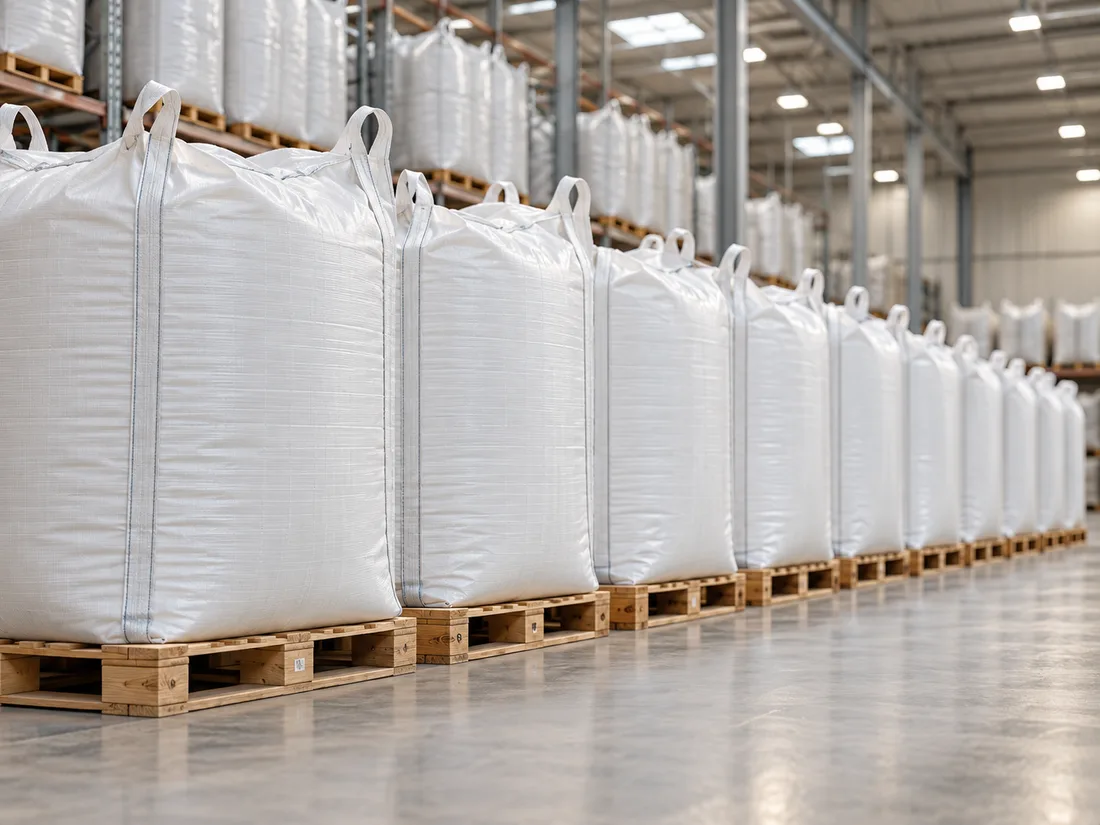
Plan bulk pinto bean packaging around your receiving equipment, storage capacity and handling practices. Clear shipment, moisture-protection and lot-identification requirements make it easier to assess an offer for your facility.
Read the guidePlan dried distillers grains receiving around the product’s moisture and particle characteristics, bin design, unloading equipment and expected storage time to reduce caking and bridging disruptions.
Read the guidePrepare bulk faba bean receiving around the offered form, facility equipment, moisture and temperature conditions, and careful transfer that limits seed damage.
Read the guideA practical guide to assessing peanut meal in cattle rations, from the offered analysis and protein value to amino-acid balance, digestibility and the important distinction from whole cull peanuts.
Read the guidePlan bulk fish oil receiving and storage around compatible transfer equipment, controlled handling, and the facility’s actual unloading and storage conditions.
Read the guideA practical framework for evaluating sweet potato flakes in a specific food recipe, from product identity and particle size to sensory testing and manufacturing trials.
Read the guidePlan bulk peanut granules delivery around the offered form, your site’s unloading setup and the lot’s own storage guidance.
Read the guideExplore ingredient specifications or share your volume, delivery needs, and buying requirements.