
Natural vs. roasted hazelnuts for confectionery and baking
Compare natural, pasteurized and roasted hazelnuts by flavor, appearance and form to choose whole kernels or pieces for confectionery and baking.
Read the guidePractical guides to ingredients, specifications, and the questions worth asking before you buy.
Better ingredients.
Better questions.
Stronger connections.
Compare natural, pasteurized and roasted hazelnuts by flavor, appearance and form to choose whole kernels or pieces for confectionery and baking.
Read the guidePlan avocado by-product shipments around the material’s form, moisture condition and your facility’s ability to receive and handle it. High-moisture pulp-and-peel material needs particular attention to exposure to air and timing; dried meal has distinct requirements that should be confirmed for the lot.
Read the guideChia gel can contribute hydration-related thickening and binding in bakery formulas, but it behaves differently from whole or milled seed and does not universally replace egg or fat. Learn what to define and test before choosing a bulk ingredient form.
Read the guideA practical comparison of bulk buckwheat groats for food production, covering roasted status, moisture, kernel condition, hulls, odor and foreign material without inventing acceptance limits.
Read the guide
Golden German millet forage results are comparable only when harvest maturity, moisture basis, test methods and sample identity are understood. Learn how to interpret those details before evaluating a lot.
Read the guide
Compare tomato pomace analysis on a consistent basis. Moisture, dry matter, protein, fat, ash and the named fiber method all affect how a lot report should be read.
Read the guide
Plan bulk green pea deliveries by defining frozen food peas or dry field-pea grain first, then matching shipment details, receiving equipment and storage arrangements to the exact product.
Read the guideCompare avocado pulp, peel and meal by identifying the fruit fraction and processing first, then reviewing moisture, protein, fat, fiber and fat condition on a clearly stated, consistent basis.
Read the guide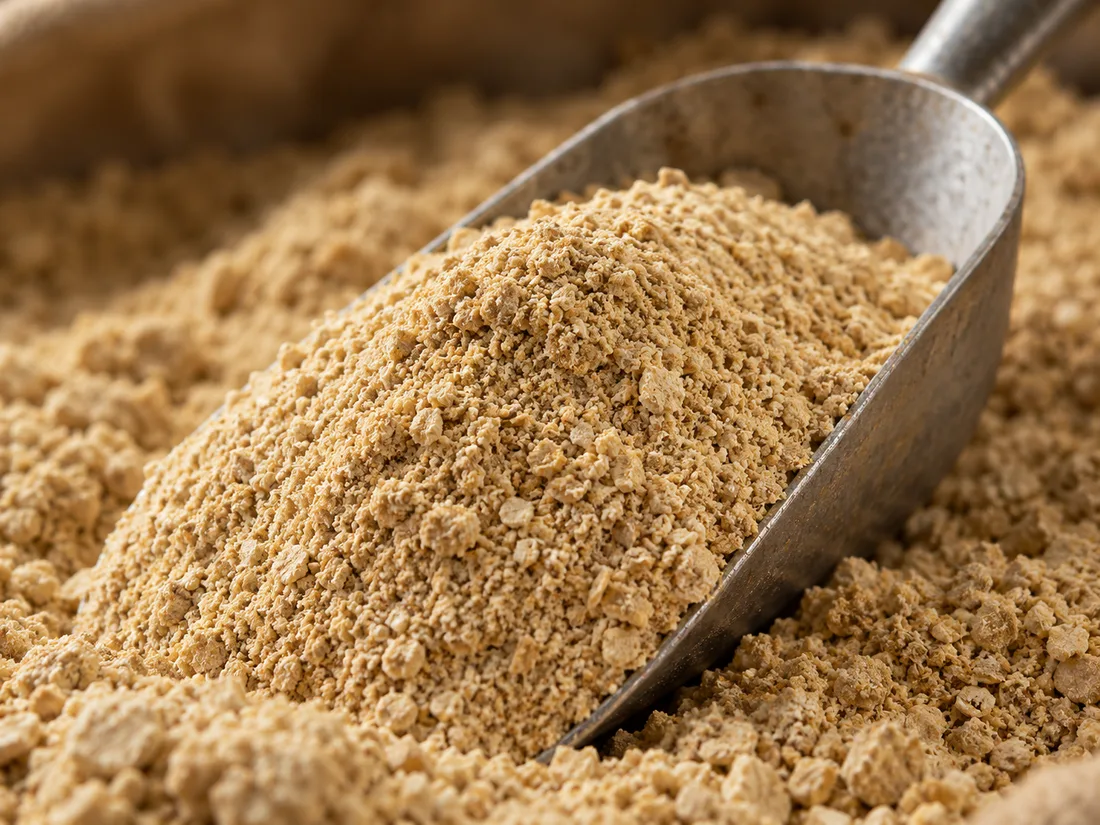
Soybean meal protein percentages reported as-fed and on a dry-matter basis cannot be compared directly. Align moisture, reporting basis, method information, and the context of each COA before evaluating supplier values.
Read the guideUnderstand how potato protein’s solubility, foaming, emulsifying and gel-forming behavior can affect food formulations—and how to test the specific properties your process requires.
Read the guideFresh, dried and ensiled apple pomace call for different receiving and storage plans. Match the preservation form to your unloading setup, available space and product-specific handling directions.
Read the guideCelery leaves and stalks serve different culinary roles. Compare their use in cooked dishes, soups, juices and seasoning, and choose fresh, frozen or dried forms according to recipe preparation and handling needs.
Read the guideExplore ingredient specifications or share your volume, delivery needs, and buying requirements.