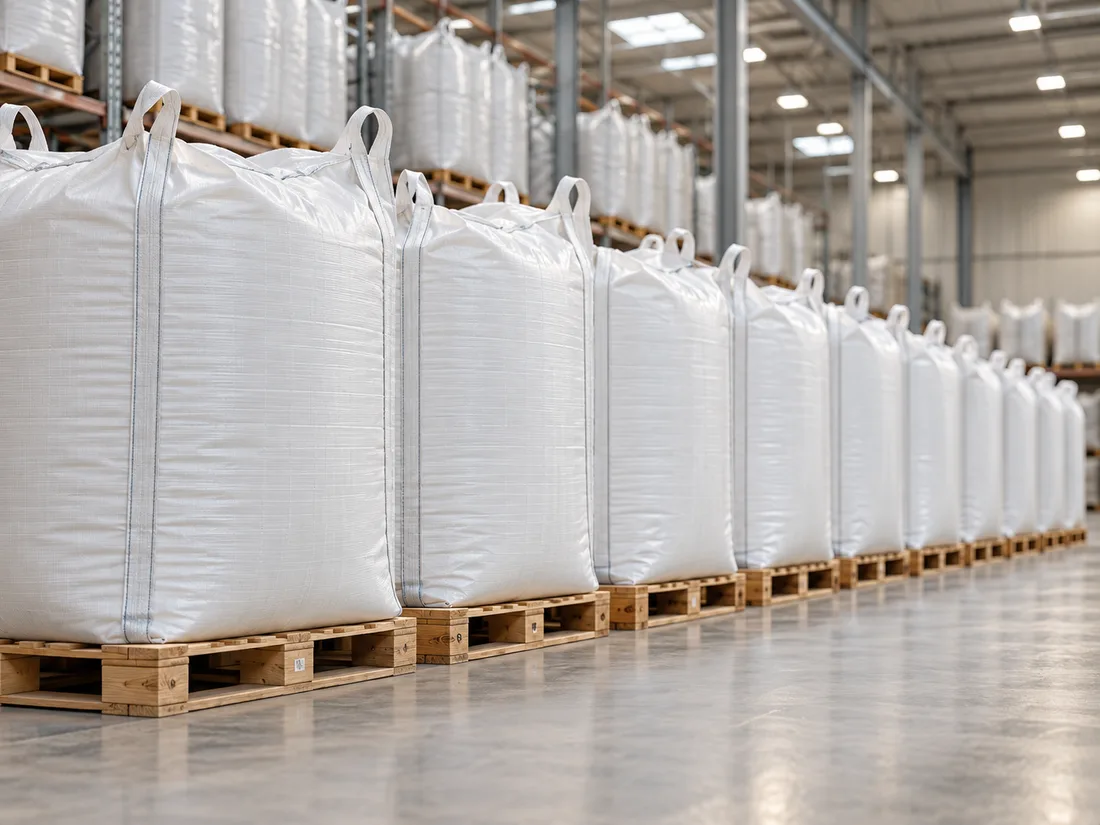
Pea flour bulk orders: packaging, receiving and storage
Plan bulk pea flour orders around site capacity: define quantity, destination and timing, match packaging to unloading, and prepare dry, protected storage before delivery.
Read the guide
Practical guides to ingredients, specifications, and the questions worth asking before you buy.
Better ingredients.
Better questions.
Stronger connections.
Plan bulk pea flour orders around site capacity: define quantity, destination and timing, match packaging to unloading, and prepare dry, protected storage before delivery.
Read the guideCompare tapioca pellet analyses on a like-for-like basis. Identity, sample, methods, units and reporting basis matter—especially when interpreting moisture, composition and cyanide results.
Read the guideSource species helps characterize fish oil, but a lot-specific EPA and DHA analysis is what lets an aquafeed nutritionist assess its contribution to a species-specific formulation.
Read the guideCommon-vetch seed formulation depends on the exact product, processing, lot analysis and intended animal group. Learn what to clarify with a nutrition professional before sourcing.
Read the guideParticle size and hydration behavior make pea hull fiber a formulation-specific choice in baked goods. Compare the actual grind in controlled dough and finished-product trials, and distinguish hull-derived fiber from cotyledon-derived pea fiber before sourcing.
Read the guideA practical look at how aquaculture nutritionists evaluate salmon meal identity, lot analysis and fat level against the needs of a specific species and life stage.
Read the guide
A practical guide for bakeries planning bulk bakery kernels orders, from identifying the exact blend and arranging receiving to relying on product-specific storage and shelf-life instructions.
Read the guideA practical guide to comparing split yellow peas by visible condition and defining inspection criteria that reflect food or flour use—without assuming grade limits.
Read the guideA practical receiving and storage guide for bulk citrus pulp, distinguishing high-moisture whole or pressed pulp from dried and pelleted forms.
Read the guideCompare sesame oil processing and quality measures with a clear distinction between extraction method, refining, composition and lot-specific test results.
Read the guideRoasted sesame oil brings distinctive roasted sesame flavor as well as oil to a food formulation. Choose it when that character belongs in the finished product, and compare it with oil made by another process when a less pronounced roasted note is desired.
Read the guideKabuli and Desi chickpeas differ visibly as whole seeds, but flour performance depends on the actual ingredient and process. Compare form and product characteristics, then test the flour in the target recipe.
Read the guideExplore ingredient specifications or share your volume, delivery needs, and buying requirements.