
How to compare a catfish meal COA and analysis basis
A practical guide to comparing catfish meal COAs by lot identity, moisture, protein, fat, ash, test method and wet- or dry-weight basis.
Read the guidePractical guides to ingredients, specifications, and the questions worth asking before you buy.
Better ingredients.
Better questions.
Stronger connections.
A practical guide to comparing catfish meal COAs by lot identity, moisture, protein, fat, ash, test method and wet- or dry-weight basis.
Read the guideA practical framework for evaluating sweet potato flakes in a specific food recipe, from product identity and particle size to sensory testing and manufacturing trials.
Read the guide
Plan a cottonseed meal delivery around the offered form, your facility’s receiving equipment, and dry storage. Specify quantity, destination, timing, packaging needs, and unloading constraints before requesting a quote.
Read the guide
Compare corn grain lots more clearly by aligning moisture and nutrient measurement bases, reviewing physical condition separately from laboratory results, and interpreting mycotoxin tests against the intended use.
Read the guideCompare cheese powder by its base cheese and product type, then read moisture, fat, salt and protein alongside carriers, particle form and analytical basis. The right comparison starts with the powder’s intended role in your formulation.
Read the guide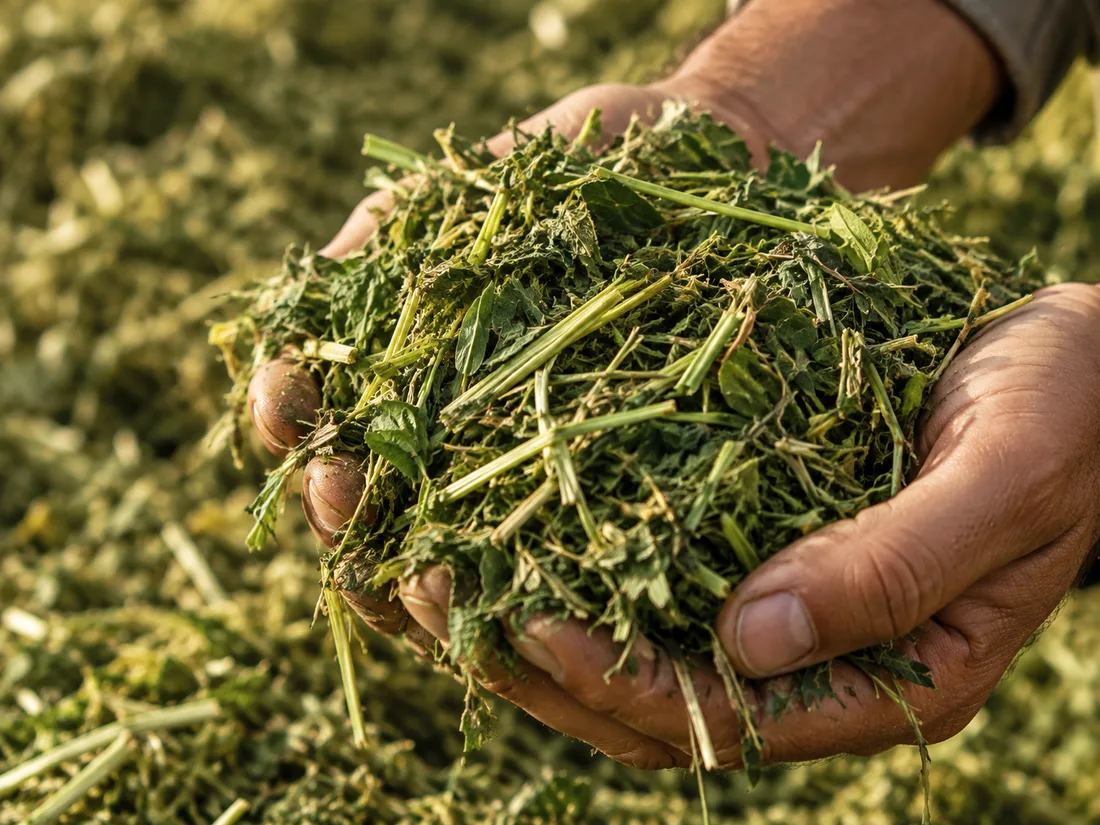
A practical guide to comparing alfalfa meal crude protein, crude fiber and NDF results—covering reporting basis, lot and method context, and when moisture or beta-carotene analysis adds useful information.
Read the guidePlan a catfish meal order around your facility's quantity, receiving method and timing, then align packaging, handling guidance and any required lot-specific testing before delivery.
Read the guideCompare beet pulp pellet offers by molasses status and lot-specific analysis. Moisture or dry matter, protein, fiber fractions, energy estimates and minerals are useful only when their basis and context are clear.
Read the guideA practical guide to comparing kelp meal lots by species, iodine, moisture, particle size and test results—with attention to units, analytical basis and lot-specific evidence.
Read the guidePlan a safflower delivery around the product form, your site’s unloading setup and the storage instructions for the specific seed or meal offer.
Read the guidePlan duck meal receiving by matching order quantity and destination to facility unloading capabilities, packaging and a clean, dry storage arrangement. Confirm handling guidance for the offered lot rather than assuming shipment formats or shelf life.
Read the guidePlan bulk coconut oil delivery around the specific lot’s temperature instructions, the shipment setup and your facility’s unloading and storage capabilities.
Read the guideExplore ingredient specifications or share your volume, delivery needs, and buying requirements.