
Which zucchini quality specifications matter by product form?
A form-specific guide to comparing fresh, cut and dried zucchini quality, including maturity, condition, cut dimensions and moisture considerations.
Read the guidePractical guides to ingredients, specifications, and the questions worth asking before you buy.
Better ingredients.
Better questions.
Stronger connections.
A form-specific guide to comparing fresh, cut and dried zucchini quality, including maturity, condition, cut dimensions and moisture considerations.
Read the guideEvaluate salmon oil for pet food by matching its intended-use grade, verified fatty-acid profile and processing to the formula. A research-diet inclusion level is not a commercial rate; review the offered product documentation and the complete recipe before setting one.
Read the guideChoosing cheese powder for a dry mix starts with the intended flavor, cheese base and full ingredient composition. Match the powder’s physical characteristics to the blend and process, then evaluate the specific product in the formulation.
Read the guide
A practical guide to planning bulk Whey Protein Concentrate 34 delivery, unloading and dry-powder storage around your facility’s requirements.
Read the guide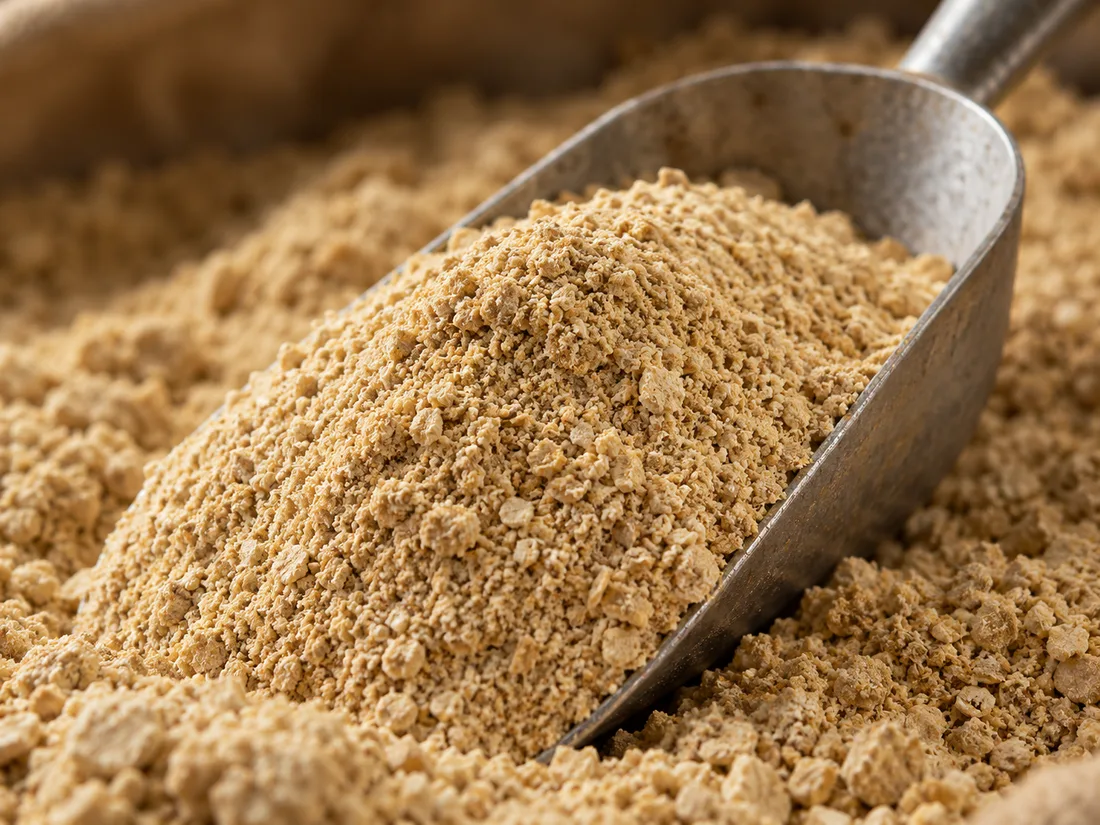
Frame a sourcing conversation around formulation requirements, source consistency, and your delivery program.
Read the guideChicken fat can contribute dietary energy, fatty acids and flavor to pet food. Match ingredient identity, processing description and lot analysis to the formulation and production process before sourcing.
Read the guide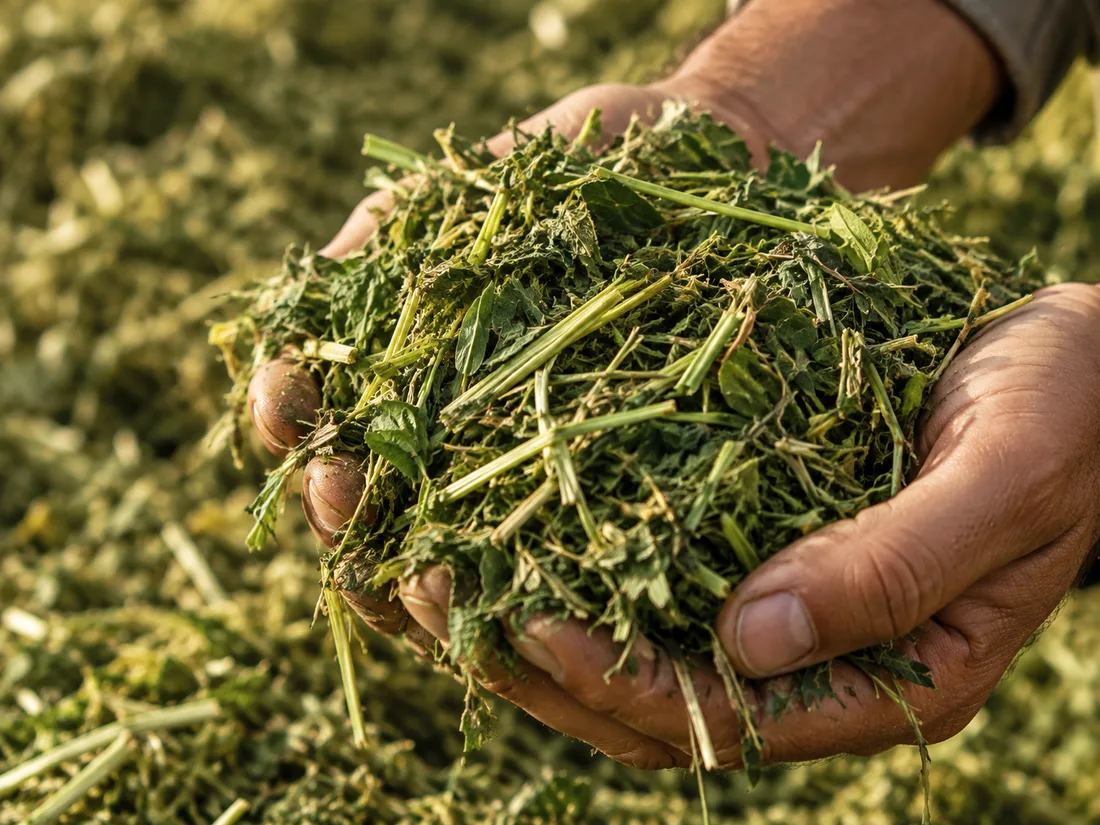
Alfalfa meal raises different formulation questions in poultry, growing pigs and gestating sows. Compare pigment objectives, fiber and nutrient composition against the complete diet and the intended animal group.
Read the guideCanola meal can contribute protein to swine diets, but a useful formulation comparison also considers fiber, energy, amino acids and the offered meal’s processing and analysis.
Read the guidePlan bulk blueberry powder receiving with clear quantity, destination, packaging and unloading details, then protect the lot from moisture and contamination using its specific storage guidance.
Read the guide
Compare corn grain lots more clearly by aligning moisture and nutrient measurement bases, reviewing physical condition separately from laboratory results, and interpreting mycotoxin tests against the intended use.
Read the guideFor imported whole Nyjer seed, treatment status and paperwork must match the lot and its specific route and destination. Establish those details before purchase so the product specification and shipment records address the same requirements.
Read the guideA practical guide to comparing vegetable pomace lots by source, processing history, physical form, moisture, and consistently reported nutrient and fiber analysis.
Read the guideExplore ingredient specifications or share your volume, delivery needs, and buying requirements.