Why treatment status belongs in the Nyjer specification
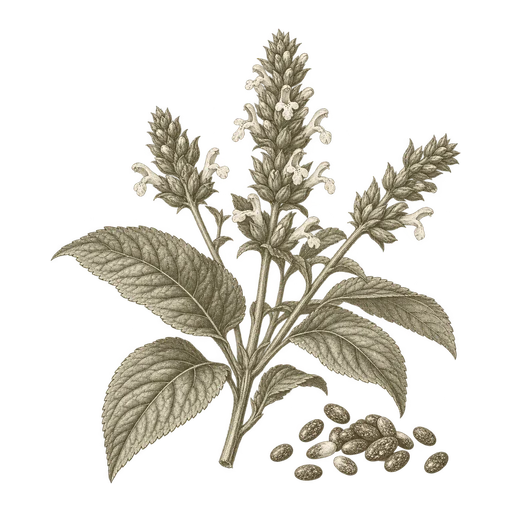
Nyjer, also called Niger seed, is a small oilseed commonly used in bird food. When buying whole seed across borders, treatment status is more than a product detail: it can affect which documentation and import conditions apply to the shipment. A specification that says only “whole Nyjer seed” may leave unanswered whether the seed is untreated, treated, or supplied under a particular documented process.
Do not assume that one treatment description or certificate applies to every shipment. Requirements can depend on the seed’s origin, the route it travels, the destination, and its intended use. Treatment terms should identify what was done and connect that information to the specific lot. That gives the buyer, seller and relevant import parties a consistent basis for reviewing the shipment before it moves.
Import requirements follow the shipment pathway
There is no single import-document package that can be stated as universal for Nyjer seed. The destination authority’s rules and the details of the shipment determine what is needed. A requirement applicable to one origin-and-destination route should not be assumed to apply to another, and a document that accompanies one lot does not establish the status of a different lot.
Before purchase, establish the country of origin, exporting country, intended destination and route, along with whether the seed is for bird food or another use. Then identify which parties are responsible for determining entry requirements and obtaining any required documents. Depending on the pathway, the parties may need to assess whether plant-health documentation, treatment records, origin information or standard shipping paperwork is relevant. These are categories to investigate—not a claim that each document is required for every Nyjer shipment.
The distinction matters commercially: missing or mismatched paperwork can create delays or prevent a buyer from accepting a shipment. Resolve the document requirements against the actual route and destination before treating them as settled in a purchase specification.
Make traceability connect the documents to the seed
A document is useful only when it can be matched to the product and shipment it describes. Ask how the lot is identified on the seller’s records and how that identifier will appear on relevant treatment or export documents, shipping papers and receiving records. Consistent lot references help distinguish one consignment from another and make it easier to investigate a discrepancy.
Also clarify what the treatment record actually states: the lot covered, the treatment status, and any process details or date that the applicable pathway requires. Do not infer treatment from a general product description, a supplier’s routine practice, or paperwork that names Nyjer without identifying the relevant lot. If a document is issued by a third party, establish whether it covers the shipment in question and whether its wording satisfies the destination-specific requirement.
For repeat purchases, keep the shipment-specific records with the receiving and inventory information for each lot. This preserves the link between the seed received and the claims or documents reviewed before dispatch.
Specify whole seed and its intended use clearly
The product description should distinguish whole Nyjer seed from other forms, including Nyjer press cake, which is a different product and not interchangeable with whole seed for bird-food use. State the intended use as bird food and make the requested treatment status explicit. If a particular treatment or untreated status is required, describe that requirement precisely rather than using an undefined label such as “import ready.”
Keep product identity, treatment and import paperwork as separate specification points. Product identity describes the seed and physical form; treatment describes what has or has not been done to the lot; import documentation addresses what the shipment needs for its particular route. Separating these questions makes it clearer which detail is a product requirement and which depends on the destination or shipping pathway.
For the underlying product, form and sourcing details, see the [Nyjer ingredient page](/ingredients/nyjer).
Build a shipment-specific verification list
Before committing to a shipment, align the buyer’s specification, seller’s lot records and destination requirements. Identify the precise seed form and use, the lot identifier, the treatment status being represented, and the documents expected for the confirmed route. Ask who will provide each document and when it will be available for review; do not rely on a general assurance that the seed is suitable for export or import.
The buyer should also provide quantity and unit, delivery destination, timing, packaging or receiving constraints, and any quality or traceability requirements that affect acceptance. The exact offer, available documentation and commercial terms depend on the supplier and shipment and should be confirmed for the lot being considered.
BEFORE YOU REQUESTYour sourcing checklist.
- Specify whole Nyjer seed for bird food, and state the required treatment status in precise terms.
- Provide country of origin, export point or country, destination and intended route so the relevant import conditions can be established.
- Request the lot identifier and determine how it will match the treatment record and shipment documents.
- List the documents required for the specific pathway, identify who supplies each, and agree when they must be available.
- Include order quantity and unit, delivery destination and timing, packaging or receiving constraints, and any quality requirements.
Common questions.
Is one treatment status required for all imported Nyjer seed?+
No universal treatment status can be assumed. The applicable condition depends on the shipment’s origin, route, destination and intended use. Establish the requirement for the specific pathway before specifying or purchasing the lot.
Which import documents should a buyer request for Nyjer seed?+
Start by determining the destination’s requirements for the actual route. Depending on that pathway, parties may need to consider plant-health documentation, treatment records, origin information or standard shipping papers; not every category applies to every shipment.
How can a buyer verify that a treatment record covers the Nyjer lot being purchased?+
Check that the record identifies the relevant lot and that its identifier matches the seller’s lot records and shipment paperwork. Also review whether the record states the treatment information required for that destination and route.