
Planning storage and receiving for bulk peanut granules
Plan bulk peanut granules delivery around the offered form, your site’s unloading setup and the lot’s own storage guidance.
Read the guide
Practical guides to ingredients, specifications, and the questions worth asking before you buy.
Better ingredients.
Better questions.
Stronger connections.
Plan bulk peanut granules delivery around the offered form, your site’s unloading setup and the lot’s own storage guidance.
Read the guideCompare the peanut granule characteristics that shape chocolate and biscuit formulations—piece size, fines, roast profile, blanch status and salt—then use the offered specification and product trials to define a sourcing request.
Read the guide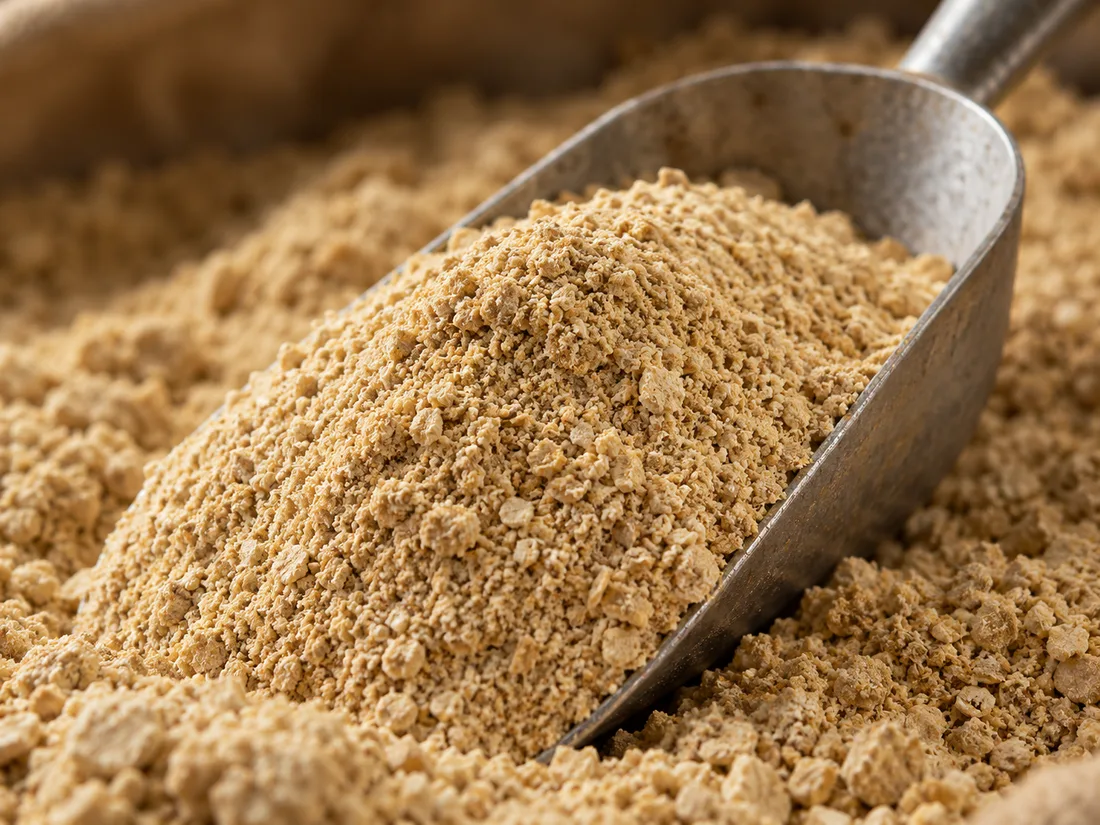
Soybean meal protein percentages reported as-fed and on a dry-matter basis cannot be compared directly. Align moisture, reporting basis, method information, and the context of each COA before evaluating supplier values.
Read the guideA practical look at how aquaculture nutritionists evaluate salmon meal identity, lot analysis and fat level against the needs of a specific species and life stage.
Read the guideUnderstand what the 35% crude-protein minimum means for defined brewers dried yeast, why product identity and reporting basis matter, and how to compare lot-specific results.
Read the guideA practical guide to comparing porcine meat meal specifications: verify product identity and category, align analysis bases, then evaluate protein, fat, moisture, ash, calcium and phosphorus together.
Read the guideBefore considering cull onions in a cattle ration, assess the specific lot’s form, condition, dry matter and nutrient analysis alongside the complete diet and onion-specific safety concerns. Historical trial levels are not general feeding recommendations.
Read the guideChia gel can contribute hydration-related thickening and binding in bakery formulas, but it behaves differently from whole or milled seed and does not universally replace egg or fat. Learn what to define and test before choosing a bulk ingredient form.
Read the guide
Compare tomato pomace analysis on a consistent basis. Moisture, dry matter, protein, fat, ash and the named fiber method all affect how a lot report should be read.
Read the guidePlan bulk popcorn receiving and storage to limit moisture change and kernel damage, and match unloading and aeration practices to the facility.
Read the guideA practical guide to specifying maple peas by appearance, size, breakage and foreign material so buyers can compare lot details on a clear, consistent basis.
Read the guideCompare milo’s moisture, test weight, kernel condition and foreign material as distinct quality factors, then assess feed-value analysis separately. Consistent methods and representative sampling make lot comparisons more useful.
Read the guideExplore ingredient specifications or share your volume, delivery needs, and buying requirements.