
Planning bulk pumpkin powder receiving and storage
Plan bulk pumpkin powder receiving around order quantity, site equipment, packaging, moisture controls and product-specific storage guidance.
Read the guide
Practical guides to ingredients, specifications, and the questions worth asking before you buy.
Better ingredients.
Better questions.
Stronger connections.
Plan bulk pumpkin powder receiving around order quantity, site equipment, packaging, moisture controls and product-specific storage guidance.
Read the guideA practical guide to comparing bone meal calcium and phosphorus results across processing types, reporting bases and analytical measures.
Read the guideSesame seed quality checks focus on moisture, cleanliness and physical condition. Sesame meal analysis must also account for dehulling, oil-extraction method and whether results are reported as-fed or on a dry-matter basis.
Read the guide
Compare rye grain lots by reading moisture, test weight, physical-condition fields and nutrient analysis together. Ergot is a separate, intended-use requirement—not a universal threshold.
Read the guidePlan bulk colored safflower seed deliveries around your receiving equipment, shipment presentation and destination. Inspect lot condition on arrival, verify relevant measurements and protect stored seed from moisture, contamination and insect activity.
Read the guidePlan bulk mango kernel meal receiving and storage by distinguishing it from other mango materials, accounting for moisture and kernel oil, and matching shipment details to facility capabilities.
Read the guideCracked corn supplies starch-rich grain energy, but its role in a beef cattle ration depends on the cattle, forage, other ingredients and feeding management. Understand when processing matters and what to review with a nutritionist.
Read the guideCompare dried fig moisture results and grade claims on a consistent basis. The measurement method, packaging group, defect criteria, and lot-specific purchase terms all affect whether two offers are meaningfully comparable.
Read the guideFresh pumpkin, wet processing residues and dried pumpkin ingredients require different delivery and storage plans. Match the product form to your receiving equipment, timing and storage conditions before arranging a bulk shipment.
Read the guidePrecooked, dehydrated hulled millet differs from raw dehulled grain in its processing history and preparation needs. Learn what to evaluate when using it in meals, salads and soups.
Read the guide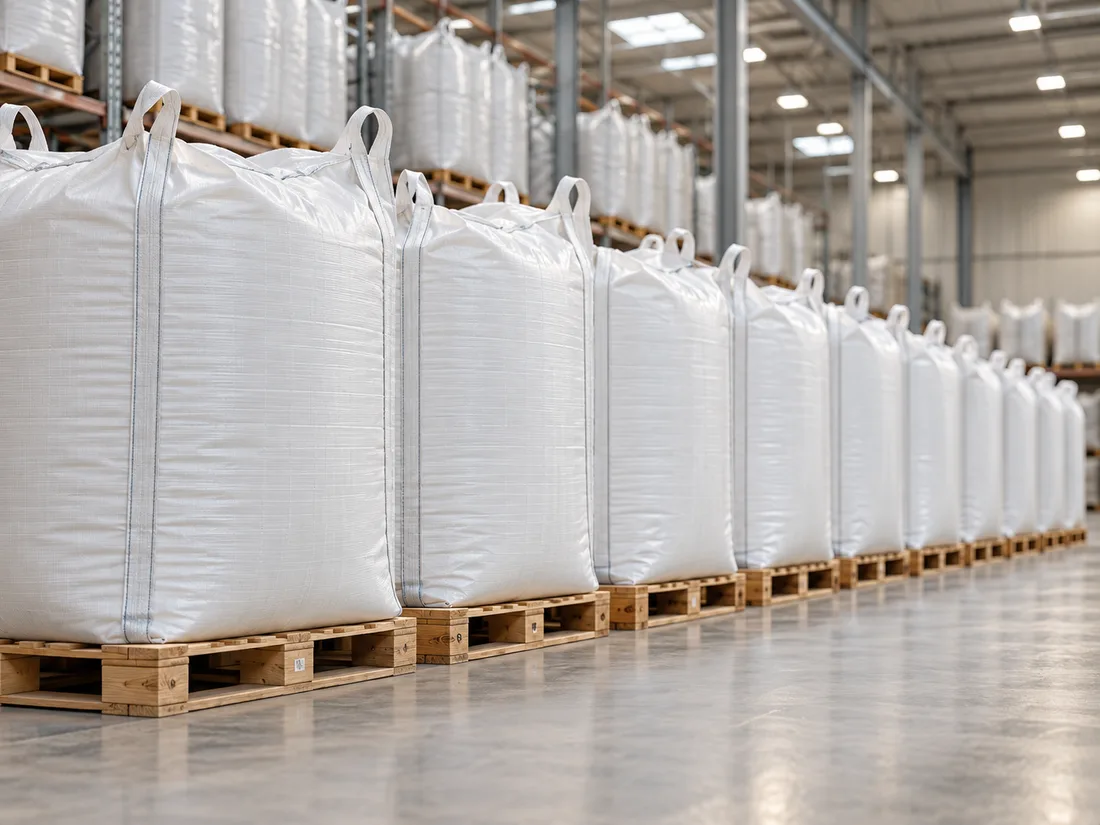
Plan bulk mixed tree nuts receiving around species, shell status, product form, unloading compatibility, and protection from moisture, pests, mold, and oxidation.
Read the guideCelery quality measures depend on whether the ingredient is fresh, frozen or dried. Define plant part and form first, then specify the condition, moisture or particle-size characteristics that matter to your process.
Read the guideExplore ingredient specifications or share your volume, delivery needs, and buying requirements.