
Questions to resolve before using tomato pomace powder in bread
A focused formulation framework for evaluating tomato pomace powder in bread, from food-use identity and particle form through controlled dough and loaf testing.
Read the guidePractical guides to ingredients, specifications, and the questions worth asking before you buy.
Better ingredients.
Better questions.
Stronger connections.
A focused formulation framework for evaluating tomato pomace powder in bread, from food-use identity and particle form through controlled dough and loaf testing.
Read the guide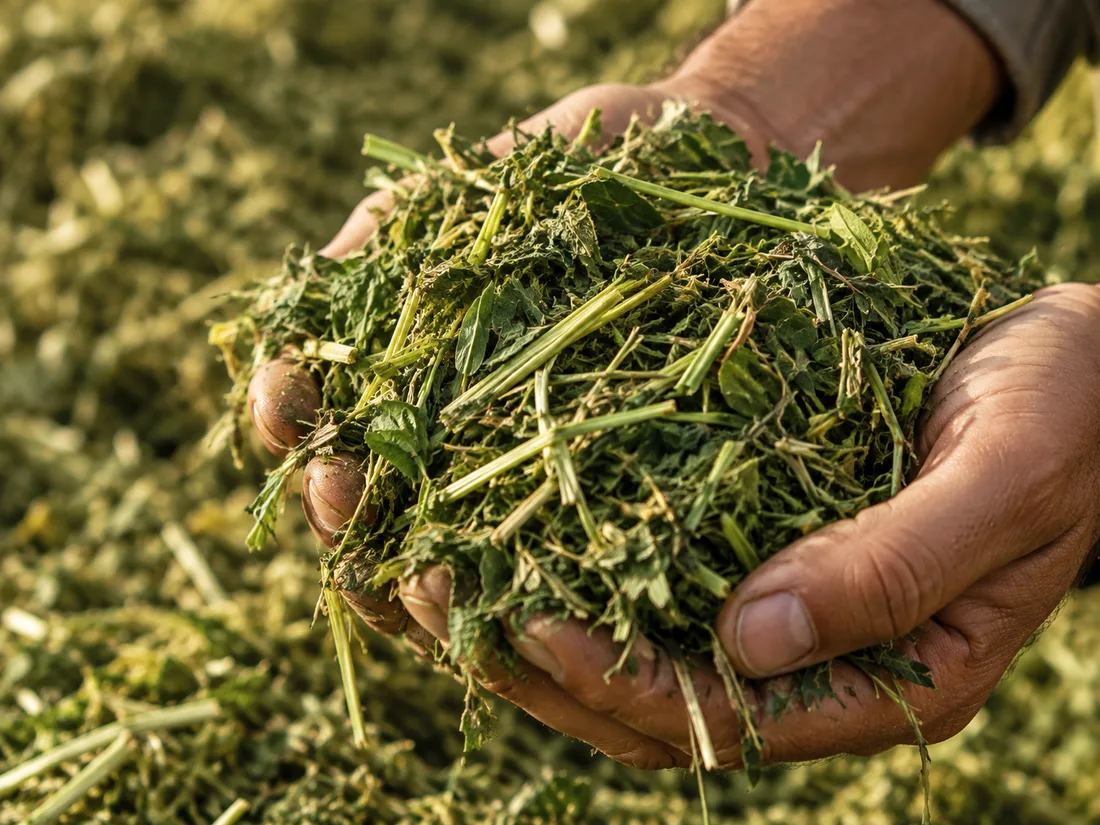
A practical guide to interpreting alfalfa hay and silage analyses in a complete ruminant ration, with attention to form, protein, fiber, energy measures and reporting basis.
Read the guideCompare potato starch viscosity results on method and test conditions first, then review moisture, pH, starch-content basis and COA details for a consistent specification.
Read the guideA practical guide to interpreting whole-oat grade factors, understanding what lot data do and do not establish, and separating grain grades from specifications for processed oat products.
Read the guide
Plan bulk kidney bean receiving by matching the offered form and packaging to your unloading setup, then protect the beans in a cool, clean, dry storage area off the floor.
Read the guidePlan bulk corn oil orders around the facility’s receiving setup, quantity, destination and timing. Prepare clean, dry transfer equipment and follow product-specific storage instructions to protect oil quality.
Read the guideRunner identifies the peanut market type; inshell means the product arrives as whole pods. For processors, the key question is whether pods fit the receiving and shelling process before kernels enter manufacturing.
Read the guideWatermelon seed protein concentrate differs from seed flour in composition and preparation, but neither the ingredient name nor protein content predicts finished-food performance. Learn how to assess bakery and plant-based applications through product-specific specifications and trials under your actual recipe and process conditions.
Read the guideUnderstand how reporting basis changes an instant WPC 80 protein result, and compare moisture, fat, lactose and ash consistently against the applicable specification.
Read the guideCompare natural, pasteurized and roasted hazelnuts by flavor, appearance and form to choose whole kernels or pieces for confectionery and baking.
Read the guideCompare raspberry pomace analyses by matching the residue, processing history and reporting basis before interpreting moisture, protein, fat, fiber, ash or particle-size results.
Read the guideA practical guide to describing dry Baby Lima beans for canning by class, physical condition, desired pack appearance and process documentation—without treating a general use description as a process guarantee.
Read the guideExplore ingredient specifications or share your volume, delivery needs, and buying requirements.