Grains
Alfalfa
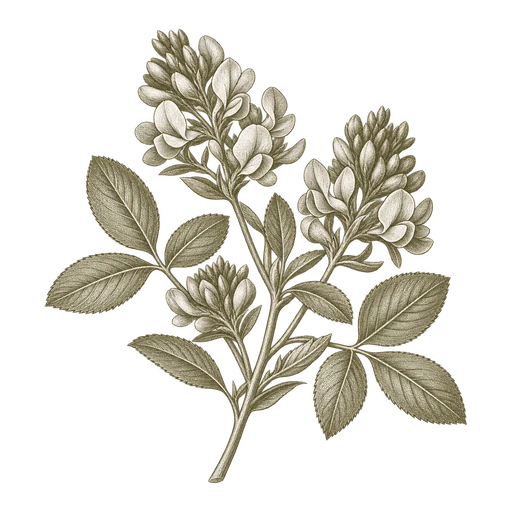
Alfalfa is a forage legume sourced as hay, silage, meal or pellets for livestock feed. Match the form to receiving and ration needs, then compare a lot-specific analysis on a consistent basis.
Explore ingredientA practical guide to interpreting whole-oat grade factors, understanding what lot data do and do not establish, and separating grain grades from specifications for processed oat products.
A whole-oat grade summarizes selected grain-quality factors under a defined standard. For a bulk buyer, it provides a common basis for comparing lots, but it does not by itself describe every characteristic a mill, food manufacturer or feed formulator may need.
Treat the grade and the purchase specification as related but separate tools. The grade identifies how whole oats compare under the applicable grading rules. A purchase specification can also state requirements for moisture, cleanliness, variety, processing suitability or other measures important to the intended use. Do not assume a grade establishes those requirements unless they are explicitly included.
Test weight measures the weight of grain occupying a defined volume, commonly reported in pounds per bushel for U.S. grain. It is a measure of bulk density, not the weight of an individual oat kernel and not a direct analysis of protein, fiber or other nutritional components.
Use test weight to compare lots on the same measurement basis and under the applicable grading method. Ask for the units, method and lot identification with the result. A value without its basis is harder to compare, and a favorable test weight does not establish that the oats meet a separate milling, food or feed requirement.
Sound-oat reporting helps distinguish usable oat kernels from kernels or material affected by damage or other exclusions. The precise meaning depends on the standard or contract and how the result is calculated, so determine whether “sound oats” is an official grade factor, a separately defined contract term or an inspection result.
Heat-damaged kernels matter because they indicate grain affected by excessive heat. Their presence can be relevant to appearance and processing decisions, but a reported value should be interpreted using the applicable grade definition and the buyer’s own acceptance criteria. Do not treat the phrase as a complete measure of all damage.
Foreign material refers to material other than the oats being graded, such as chaff, weed seeds or other grain. It can affect the amount of usable oat material and the cleaning work needed before processing. Wild oats warrant particular attention: when reported separately, they provide information about weed-seed presence that a general foreign-material figure may not communicate on its own.
U.S. grain grading applies to whole oats as grain. It does not automatically establish specifications for oat flakes, flour, bran or hulls. Processing changes the product and the characteristics a buyer needs to evaluate: flake thickness and integrity, flour particle size, bran composition or hull cleanliness require product-specific descriptions and measures.
If a supplier offer names a processed product, request specifications that describe that form rather than relying on a whole-oat grade. If the material will be milled or otherwise processed after delivery, whole-oat grade information may still help characterize the incoming grain, but it should be considered alongside the processor’s requirements.
Start by defining the product as whole oats and naming the applicable U.S. grade standard or contract specification. Then compare the reported grade factors individually: test weight, sound oats, heat damage, foreign material and wild oats where reported. Ask for the measurement basis and the lot or sample represented, so you know what the data actually describe.
Next, identify any additional limits that matter to your operation, such as moisture, cleaning needs or a processing-specific requirement. These are not interchangeable with grade. Before a bulk order, align the product description, grade, additional limits and acceptance method in the purchase terms. When ready to source a defined whole-oat or processed form, explore the Oats & Oat Products page.
No. A grade provides a standardized assessment of specified whole-grain factors, but it does not necessarily cover every characteristic a mill needs. Compare the grade with the mill’s requirements for the intended process.
No. Whole-oat grading does not automatically define processed products. Each form needs a product-specific description and specifications relevant to its processing and end use.
Request the value with its units, measurement method and identification of the lot or sample it represents. Compare results only when their measurement basis is consistent, and evaluate test weight alongside the other grade factors and your product requirements.
Focused guides to the specification, application, and delivery questions behind this ingredient.
Plan oat receiving around the product form, unloading setup, storage conditions and moisture information needed for your process.
Read this InsightOat flakes and oat flour differ in physical form and processing. Learn which questions to resolve when matching each form to a food manufacturing process.
Read this InsightAlfalfa is a forage legume sourced as hay, silage, meal or pellets for livestock feed. Match the form to receiving and ration needs, then compare a lot-specific analysis on a consistent basis.
Explore ingredientAlfalfa meal is ground forage used in animal feed, with sun-cured and dehydrated processing routes and meal or pellet forms. Compare the offered process, physical form and analysis against the needs of the species and feed formulation.
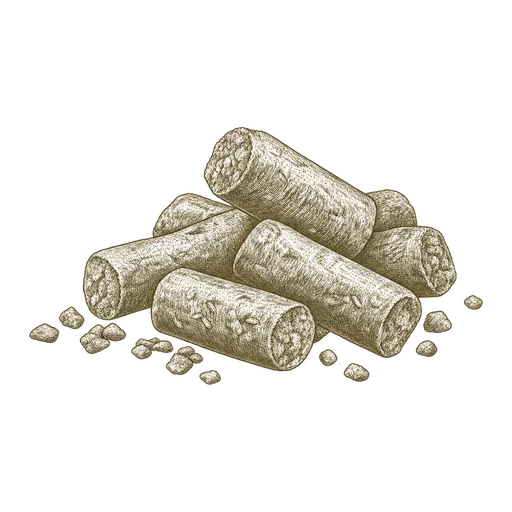
Explore ingredientAlfalfa pellets are ground, compressed forage used in livestock feeding and compound feeds. Compare the drying process, alfalfa material, forage analysis and pellet characteristics to choose a form that fits your ration and receiving setup.
Explore ingredientAlmond hulls are the dried outer layer of the almond fruit, sourced for ruminant feed as hull-only material or as a hull-and-shell mixture. Compare the lot’s composition, physical form, and handling needs before arranging a bulk shipment.
Explore ingredient