
Planning bulk almond meal receiving and storage
Prepare a bulk almond meal order by defining the product, quantity, destination, packaging and receiving setup, then plan storage around the specific meal and its handling guidance.
Read the guide
Practical guides to ingredients, specifications, and the questions worth asking before you buy.
Better ingredients.
Better questions.
Stronger connections.
Prepare a bulk almond meal order by defining the product, quantity, destination, packaging and receiving setup, then plan storage around the specific meal and its handling guidance.
Read the guide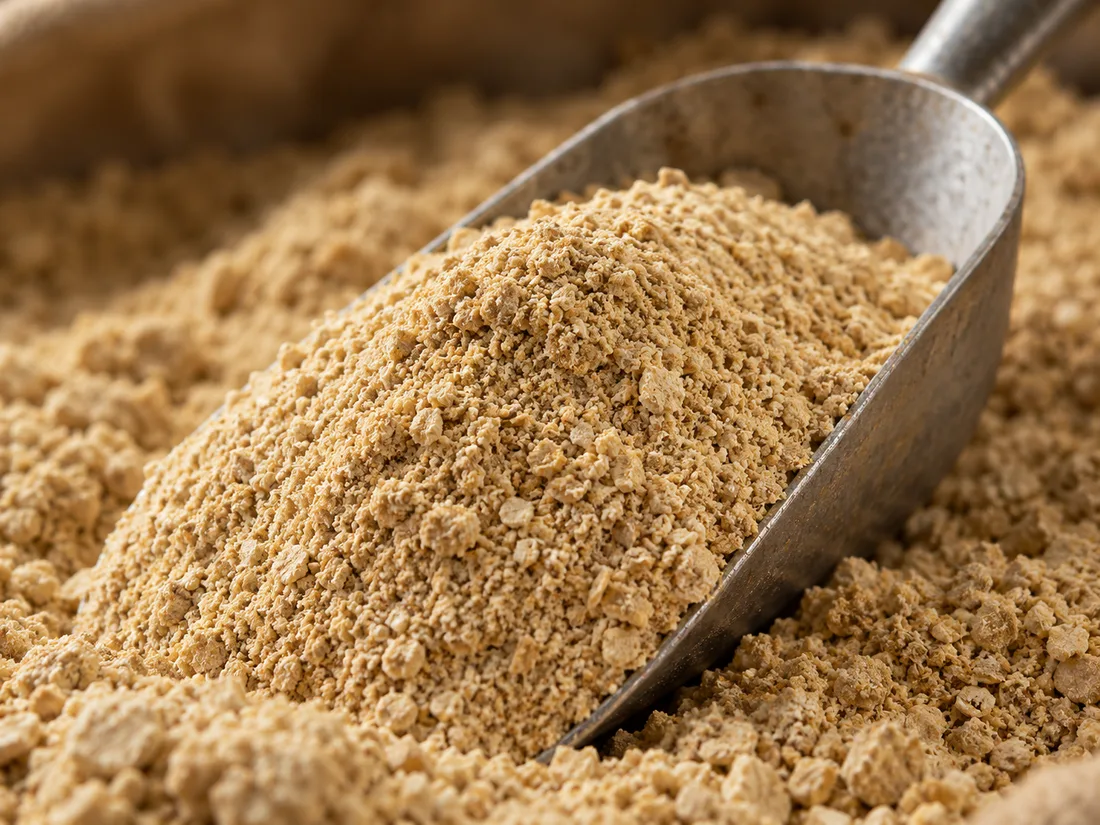
Frame a sourcing conversation around formulation requirements, source consistency, and your delivery program.
Read the guideCompare cranberry pomace analyses on a like-for-like basis: identify the form, account for moisture, and check the methods and reporting basis before interpreting composition.
Read the guideCompare bovine plasma analyses on consistent terms: identify the reporting basis, distinguish crude protein from amino-acid results, and check product specifications against the lot-specific COA.
Read the guidePlan bulk cracked corn receiving around the particle profile your equipment can handle, then protect the ingredient with clean, dry, pest-conscious storage.
Read the guide
Date grade and moisture answer different questions. Understand the scope of a grade, compare moisture on a consistent basis, and specify the date form and analyses your application requires.
Read the guideLearn how faba bean flour differs from whole beans, splits and protein ingredients—and which form, processing details, flavor and color considerations to evaluate in bread and pasta.
Read the guideCompare herring fish meal analyses on a consistent basis, understand what each result measures, and match additional tests to the formulation and quality requirements.
Read the guideFlour form does not prove kidney beans were heat-treated. Learn which process and product details formulators should verify before specifying treated kidney bean flour.
Read the guideCompare clear flour by separating the milling-grade label from the lot’s ash and protein results. Reporting basis, analytical method, and intended baking function all matter.
Read the guidePlan a triticale grain order around a clear quantity, destination, receiving method and storage setup. Moisture and grain condition inform storage decisions, while shipment details depend on the offered lot and your facility.
Read the guideRoasted pickouts can vary in kernel size, skin content, roast condition, and added ingredients. Define those characteristics and the lot-specific analytical evidence required before comparing bulk offers.
Read the guideExplore ingredient specifications or share your volume, delivery needs, and buying requirements.