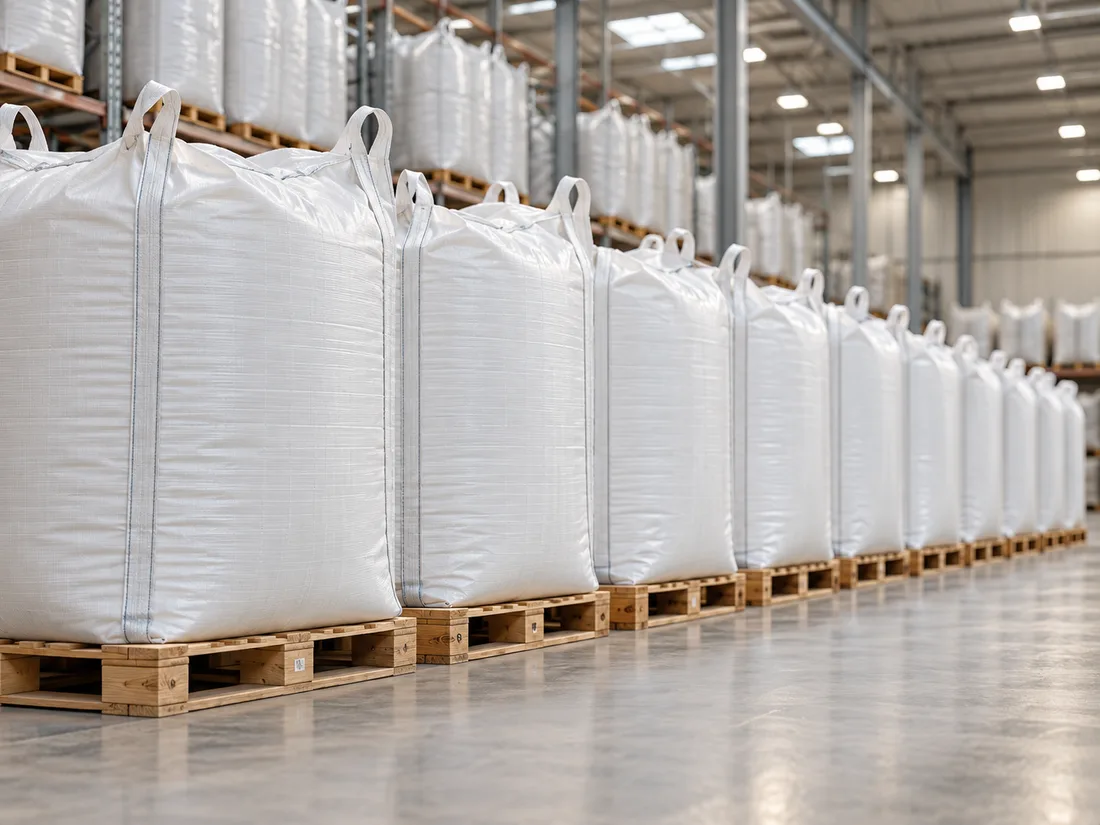
Pea flour bulk orders: packaging, receiving and storage
Plan bulk pea flour orders around site capacity: define quantity, destination and timing, match packaging to unloading, and prepare dry, protected storage before delivery.
Read the guide
Practical guides to ingredients, specifications, and the questions worth asking before you buy.
Better ingredients.
Better questions.
Stronger connections.
Plan bulk pea flour orders around site capacity: define quantity, destination and timing, match packaging to unloading, and prepare dry, protected storage before delivery.
Read the guide
Plan bulk poppy seed receiving by defining the form, quantity, destination, acceptable packaging and unloading method. Set lot-specific expectations for cleanliness, including capsule fragments or surface residues where relevant, and protect the seed in dry, covered storage.
Read the guideA practical guide to defining raw or roasted, whole or broken sunflower hearts—and the cleanliness, condition and food-safety requirements needed for sunflower seed butter.
Read the guideHull content changes safflower meal’s fiber profile and can affect its energy contribution. Compare the actual product analysis and assess it separately for ruminant, poultry, or swine rations.
Read the guidePlan bulk white milo receiving around lot moisture, unloading capacity and sorghum’s higher resistance to airflow than corn. Match storage and aeration decisions to the grain’s condition and your facility.
Read the guideStorage history can be relevant to black-eyed pea cooking behavior: cowpeas stored in warm, humid conditions have been associated with reduced water absorption and slower softening. Learn how to use lot-history questions and application-specific sample testing without treating storage conditions as a prediction for an individual lot.
Read the guideRye can contribute grain energy to poultry feed, but its soluble arabinoxylans make grain characteristics, processing and the complete ration central to formulation.
Read the guideFresh and dried spinach require different quality specifications. Define fresh-leaf condition under the applicable grade or buyer standard; specify dried spinach by its form, plant parts and relevant analytical measures.
Read the guidePrepare a receiving plan for bulk Great Northern beans by specifying the order, destination, unloading constraints, and facility controls for moisture and contamination. Household canning advice does not set warehouse limits for dry beans.
Read the guideA practical guide to specifying dried apricot halves or pieces by cut, appearance, treatment and moisture characteristics for food formulations.
Read the guideCompare whole and chopped sunflower kernels, roasted grits and defatted sunflower flour by their roles in doughs, toppings and fillings—and learn why bakery trials apply to the specific form and recipe tested.
Read the guideRoasted sesame oil brings distinctive roasted sesame flavor as well as oil to a food formulation. Choose it when that character belongs in the finished product, and compare it with oil made by another process when a less pronounced roasted note is desired.
Read the guideExplore ingredient specifications or share your volume, delivery needs, and buying requirements.