
Dried molasses in cattle rations: what the formulation needs to show
Evaluate dried molasses for cattle rations by reviewing the source, molasses content, carrier and complete analysis alongside the rest of the formulation.
Read the guidePractical guides to ingredients, specifications, and the questions worth asking before you buy.
Better ingredients.
Better questions.
Stronger connections.
Evaluate dried molasses for cattle rations by reviewing the source, molasses content, carrier and complete analysis alongside the rest of the formulation.
Read the guideA practical guide to comparing bone meal calcium and phosphorus results across processing types, reporting bases and analytical measures.
Read the guidePregelatinized wheat starch is pre-cooked and dried, allowing it to hydrate and thicken without a cooking step in the final process. Learn how that differs from native and modified starch and what to evaluate in fillings, sauces and breading.
Read the guideCompare dry field pea feed analyses reliably by confirming pea maturity and form, aligning moisture basis and units, and tying results to the lot they describe.
Read the guide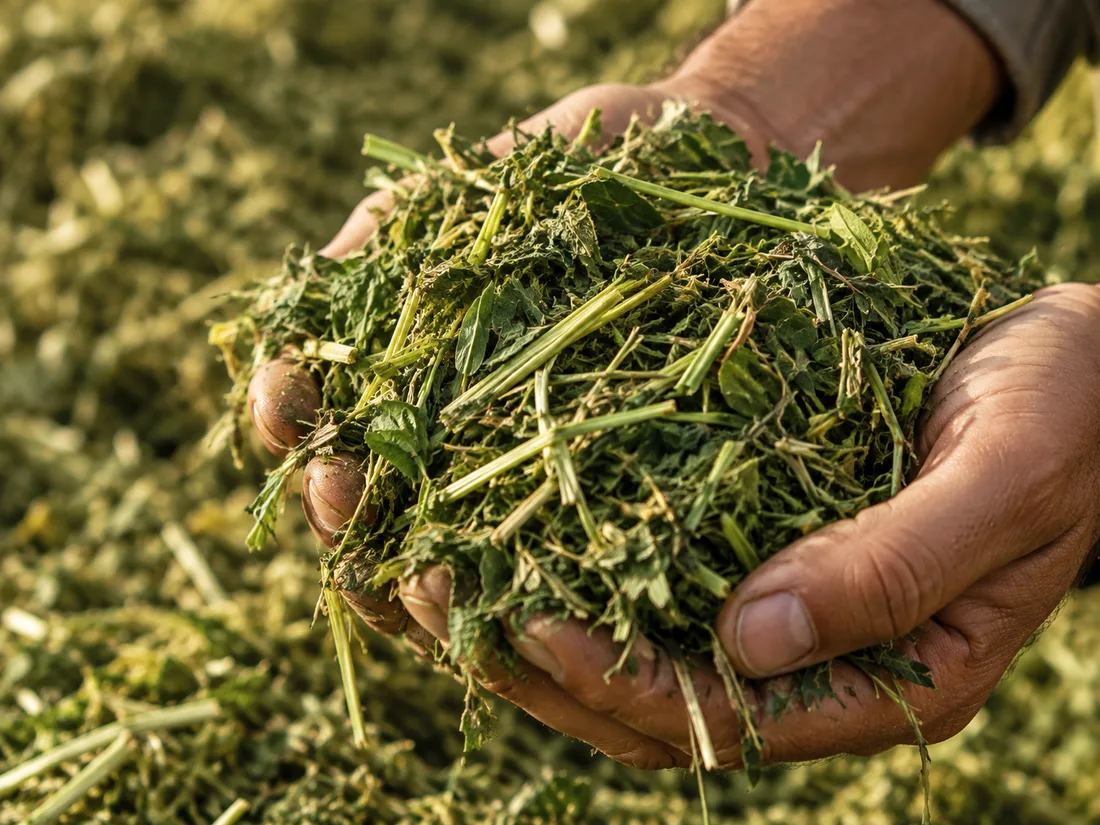
Harvest stage can help explain differences in foxtail millet hay, but forage analysis, seedhead condition and crop history give buyers a more complete basis for evaluation.
Read the guide
Learn how milk fat, moisture, free fatty acids and peroxide value work together when comparing ghee lot analyses—and why method, reporting basis and the applicable specification matter.
Read the guideCompare blackcurrant pomace powder on a consistent basis: establish the material definition, interpret moisture alongside composition, distinguish fiber methods, and understand what particle-size results do—and do not—tell you.
Read the guideTapioca pellets can contribute carbohydrate energy to livestock feed, but their low protein content means they must be evaluated within the complete, species-specific ration using relevant lot analysis.
Read the guide
Prepare a canary seed delivery by specifying the exact form, shipment quantity, destination and receiving method, then requesting lot-specific moisture information and handling guidance.
Read the guide
Plan bulk potato protein receiving around the offered package, your unloading capabilities, delivery destination and timing, then use product-specific guidance to protect the ingredient from moisture and contamination in storage.
Read the guide“Roasted peanut hearts” does not define a complete grade. Specify kernel shape, size and appearance tolerances, roast method, skin and seasoning separately, then compare the actual lot and its documentation with the requirements of your process.
Read the guidePlan avocado by-product shipments around the material’s form, moisture condition and your facility’s ability to receive and handle it. High-moisture pulp-and-peel material needs particular attention to exposure to air and timing; dried meal has distinct requirements that should be confirmed for the lot.
Read the guideExplore ingredient specifications or share your volume, delivery needs, and buying requirements.