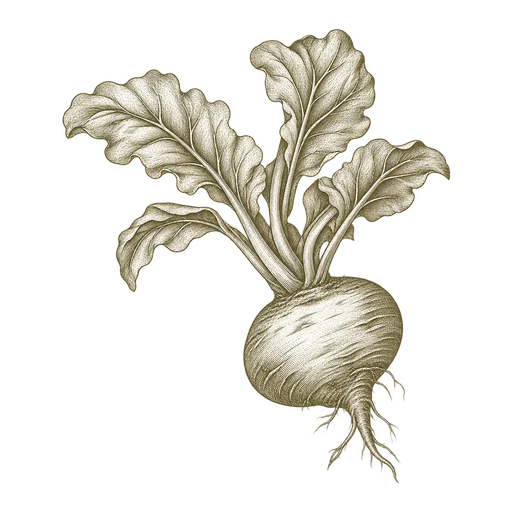
Roots and vines do different jobs
Sweet potato roots and vines come from the same crop, but they are not interchangeable feed ingredients. Roots are the starchy storage part of the plant, so they are generally considered as an energy-bearing component. Vines—the stems and leaves—are vegetative material used as forage or as a protein-containing component. That broad distinction is a useful starting point, not a complete nutrient specification.
A root offer should therefore be assessed for its carbohydrate contribution and how its form fits the ration. Vine material calls for a different evaluation: forage characteristics, protein analysis and the amount of leaf relative to stem can all affect its role. Buyers comparing offers should identify the plant part before comparing nutrient figures or prices.
Why plant-part identity changes the analysis
A single label such as “sweet potato” does not tell a feed formulator whether the material is root, vine or a mixture. These parts differ in composition and intended function. If a lot combines them, the proportion of each matters: a higher root share points toward a different energy contribution than a vine-rich material, while the vine fraction brings more fibrous plant material into the mix.
Processing and physical form also affect how to interpret a result. Fresh material contains more moisture than dried material, so nutrient values reported as-fed can look different from values expressed on a dry-matter basis. Compare analyses on the same basis, and ask what material was sampled and tested. Without that context, two numbers may not describe comparable products.
Match roots or vines to the formulation objective
For roots, the practical question is whether a starchy ingredient can fill an energy role in the intended ration. Form, moisture and processing matter because they influence how the material is stored, handled, mixed and accounted for in the formulation. Fresh roots and dried or otherwise processed root material should not be assumed to behave alike in a feed system.
For vines, consider the material as forage or as one contributor to the ration’s protein supply—not as a direct substitute for roots. Leaf-to-stem balance and maturity can influence the material’s nutritional profile and physical character. A nutritionist should assess it alongside the ration’s other forage and protein sources, using analysis of the actual offered material.
Neither plant part is automatically appropriate for every livestock species, life stage or production objective. The formulator needs to consider the whole ration and the animal’s requirements. Avoid applying an inclusion recommendation from one species or feeding context to another without a suitable formulation review.
Questions to resolve before comparing offers
Start with identity: is the product roots, vines, or a stated mixture? Then establish whether it is fresh, dried or otherwise processed, and whether the analysis is reported as-fed or on a dry-matter basis. For vines, ask whether the description or analysis clarifies leaf and stem composition; for roots, establish the form and processing relevant to the intended energy role.
The useful analysis depends on the job in the ration. Root buyers need data that supports evaluation of its energy and carbohydrate contribution. Vine buyers need a forage-oriented assessment that includes protein and fiber-related measures relevant to their formulation. In both cases, request the units, analytical basis and sample identity alongside the results. No single nutrient figure establishes suitability.
A bulk quote also depends on the physical form, quantity, destination and receiving arrangement. Fresh or wet material and dried material have different handling and storage implications; tell the supplier what your facility can receive and how the ingredient will be stored. Exact offered specifications and commercial terms are supplier-dependent.
Choose the plant part, then source the right sweet potato form
If the ration needs a starch-bearing energy component, investigate sweet potato roots. If the formulation calls for forage or a plant material that contributes protein, investigate vines and evaluate their fiber and physical characteristics. When the intended plant part or processing form is unclear, resolve that identity before comparing feed analyses.
Once the requirement is clear, visit the [Sweet Potato ingredient page](/ingredients/sweet-potato) to explore sourcing the ingredient. Include the plant part, processing form, quantity, delivery destination and relevant analysis requirements in your inquiry so the offer can be evaluated against the intended feed use.
Common questions.
Are sweet potato roots and vines interchangeable in animal feed?+
No. Roots are generally considered for their starchy energy contribution, while vines are used as forage or as a protein-containing plant component. Their analyses and roles in a ration differ, so identify the plant part before formulation.
What should I compare in sweet potato root and vine feed analyses?+
First compare like with like: confirm the plant part, processing form, sample identity, units and whether results are reported as-fed or on a dry-matter basis. Then evaluate measures relevant to the intended role—energy and carbohydrate contribution for roots, and protein and fiber-related characteristics for vines.
Can sweet potato vines be fed to every livestock species?+
Do not assume blanket suitability. The ration’s full composition, the animal species and its feeding objective all matter. Have a qualified nutritionist assess the analyzed vine material in the context of the specific diet.