Grains
Alfalfa
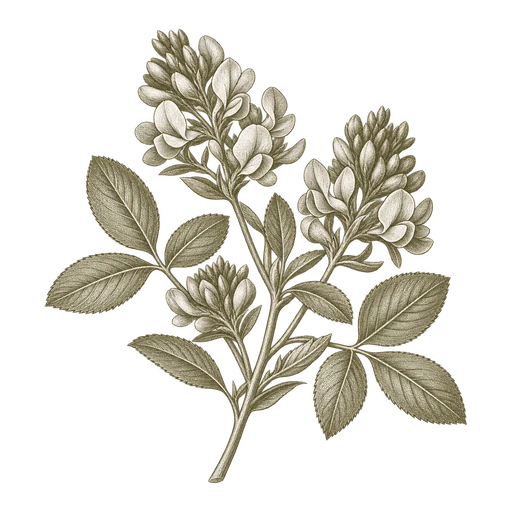
Alfalfa is a forage legume sourced as hay, silage, meal or pellets for livestock feed. Match the form to receiving and ration needs, then compare a lot-specific analysis on a consistent basis.
Explore ingredientPlan bulk sunflower meal receipt around the offered form, the facility’s unloading and conveying equipment, and a clean, dry storage destination. Include the delivery location and receiving constraints in your sourcing request.
Before arranging a bulk sunflower meal delivery, establish the physical form being offered and how your facility can receive it. Sunflower meal is the solid material remaining after oil is extracted from sunflower seed. Processing and the amount of seed hull present can affect the meal’s composition and physical characteristics, so do not assume every offer will behave identically in your equipment.
Ask what form the specific lot will arrive in and how it is expected to discharge. Then compare that with the path from receiving point to storage: receiving hopper or intake, conveyors or other transfer equipment, and the storage bin or room. Particle size and flow characteristics can matter at transitions, bends and narrow openings. The relevant question is not simply whether the plant handles meal, but whether its equipment can move the offered meal reliably.
Include those details in a sunflower meal sourcing request. A clear description of the destination and receiving setup helps connect the proposed shipment arrangement to what the facility can actually unload.
Map the unloading route before a delivery is scheduled: where material enters, which equipment transfers it, and where it will be stored. Identify any limits on vehicle access, unloading location, operating hours or the amount of time the receiving area can be used. These constraints can shape the shipment arrangement, but the available transport and packaging must be established for the particular offer rather than assumed.
Review the equipment’s compatibility with the offered form, including connection points, transfer capacity and any screens, grates or openings that could restrict flow. If sunflower meal will move through shared equipment, consider what remains in the system after unloading and how the next ingredient is protected from carryover. Dust control and housekeeping also belong in the receiving plan; suitable practices depend on the facility and its equipment.
Make sure the people responsible for receiving know the delivery sequence, where to direct the material and whom to contact if the load or discharge does not match the agreed arrangement. This reduces the risk of discovering a mismatch only after unloading begins.
Sunflower meal is a dry solid feed ingredient, so storage preparation should focus on keeping moisture out and preventing contamination. Before receipt, make sure the intended bin or storage area is clean, dry and suitable for the material. Check that covers, access points and transfer connections are ready to protect the meal during unloading and after it reaches storage.
Moisture entering a stored meal can create caking and spoilage concerns. Keep the material away from leaks, standing water and wet transfer equipment, and avoid placing it into a space that has not been cleared of residues from previous contents. Follow the facility’s pest-control and sanitation practices, and keep the material identifiable so it is not inadvertently mixed with a different ingredient or lot.
Do not assign a storage duration or temperature limit based on the ingredient name alone. Handling guidance can depend on the specific lot and its condition. Request the applicable storage and handling instructions for the lot, and use them alongside the facility’s own procedures.
A useful sourcing request states the quantity and unit required, the delivery destination, the timing window and the receiving method the site can accommodate. Add the offered form or grade requested, any relevant quality requirements and practical site details such as access restrictions, unloading equipment and receiving hours. These particulars help identify whether the commercial arrangement fits the receiving site.
Packaging and unloading arrangements are supplier-dependent. If your facility requires a particular packaging type or transfer method, state that need at the outset rather than presuming it is available. Share any restrictions on vehicle dimensions, site access, unloading connections or on-site scheduling that could prevent receipt.
For sunflower meal options, review the primary ingredient page and submit the destination and receiving details with your sourcing request. Specific lot information, handling guidance and commercial terms can then be considered in the context of your facility’s requirements.
Confirm the form being offered, the unloading method, equipment and connection compatibility, the transfer route, storage destination, receiving hours and site access restrictions. Include the delivery destination and required timing in the sourcing request.
Keep it in a clean, dry, protected storage area and prevent exposure to leaks, standing water, wet equipment and residues from other materials. Follow the handling guidance for the specific lot and your facility’s storage procedures.
Packaging and shipment arrangements depend on the specific offer. Tell the broker what the site can unload and receive, including equipment and access constraints, so the proposed arrangement can be evaluated against those needs.
Focused guides to the specification, application, and delivery questions behind this ingredient.
A practical guide to evaluating sunflower meal for poultry and swine formulations, with attention to fiber, lysine, processing and lot-specific analysis.
Read this InsightCompare sunflower meal lots by reading protein, fiber, residual oil and moisture together. Hull content and as-fed versus dry-matter reporting can change how those results should be interpreted.
Read this InsightAlfalfa is a forage legume sourced as hay, silage, meal or pellets for livestock feed. Match the form to receiving and ration needs, then compare a lot-specific analysis on a consistent basis.
Explore ingredientAlfalfa meal is ground forage used in animal feed, with sun-cured and dehydrated processing routes and meal or pellet forms. Compare the offered process, physical form and analysis against the needs of the species and feed formulation.
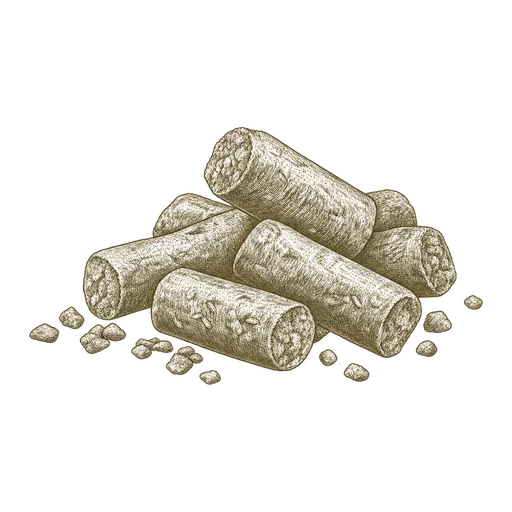
Explore ingredientAlfalfa pellets are ground, compressed forage used in livestock feeding and compound feeds. Compare the drying process, alfalfa material, forage analysis and pellet characteristics to choose a form that fits your ration and receiving setup.
Explore ingredientAlmond hulls are the dried outer layer of the almond fruit, sourced for ruminant feed as hull-only material or as a hull-and-shell mixture. Compare the lot’s composition, physical form, and handling needs before arranging a bulk shipment.
Explore ingredient