Grains
Alfalfa
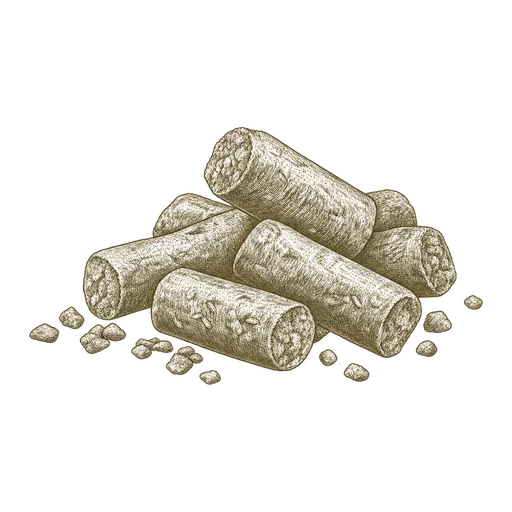
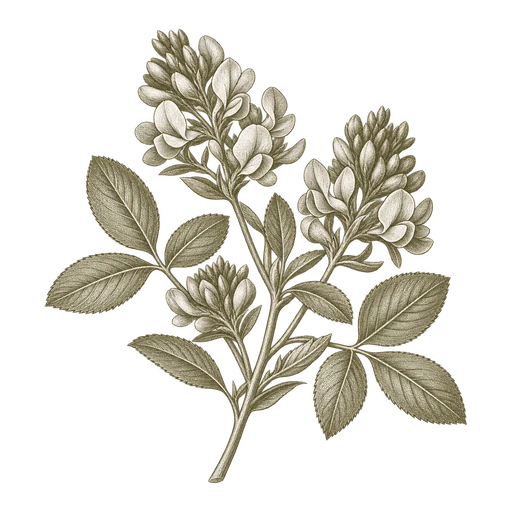
Alfalfa is a forage legume sourced as hay, silage, meal or pellets for livestock feed. Match the form to receiving and ration needs, then compare a lot-specific analysis on a consistent basis.
Explore ingredientA practical comparison of soybean oil quality parameters, explaining how product form changes the meaning of key results and how to read a specification alongside a lot-specific certificate of analysis.
Soybean oil specifications are meaningful only when the product type is clear. Crude oil retains more of the non-oil components removed during refining, while refined oil has undergone processing to reduce impurities and improve properties such as color and flavor. Degummed oil is another distinct form: degumming removes much of the phospholipid material, so its phosphorus profile differs from crude oil.
Before comparing offers, match the stated form—crude, degummed or refined—to your process. A parameter that signals refining work in crude oil may be a confirmation of processing effectiveness in refined oil. For food manufacturing, feed use or further processing, the intended use determines which parameters deserve the closest attention.
Free fatty acids (FFA) measure fatty acids present in the oil in an unbound form. They are commonly reported as a percentage expressed on a named fatty-acid basis, often oleic acid. Higher FFA can matter to a buyer because it affects refining decisions and can signal a different processing or quality profile. Compare results only when the reporting basis and test method are clear; do not assume a single limit applies to every grade or use.
Moisture and insoluble impurities describe different concerns. Water can affect storage and processing, while insoluble material can include suspended solids that complicate handling or downstream operations. Check whether a reported result combines moisture with volatile matter, and whether impurities are reported separately. That distinction makes the result easier to interpret against your process needs.
Color is a practical quality and process indicator, especially when the oil will be used in a product where appearance matters. Color results depend on the measurement method, so compare offers using the same scale or test procedure rather than treating unlike readings as equivalent. Refining can reduce color, which is one reason crude and refined oil specifications should not be compared as if they were the same grade.
Phosphorus is particularly relevant when evaluating crude or degummed soybean oil. It is associated with phospholipids, often called gums, that may need removal during refining. A phosphorus result can therefore help a processor estimate the oil’s condition for a planned refining step. Its significance depends on the product form and process; it is not a standalone verdict on suitability.
Oxidation tests describe changes in oil quality, but no single result tells the whole story. Peroxide value measures primary oxidation products. Anisidine value is used to assess certain secondary oxidation products. If both appear on a specification or certificate of analysis, read them together and note the test methods; one measure cannot automatically substitute for the other.
The oil’s handling history and storage conditions affect how useful a result is for a particular shipment. Ask whether the analysis is representative of the offered lot and when the sample was tested. For an application sensitive to flavor, odor or processing performance, agree in advance on the specific oxidation measures and acceptance criteria that matter.
A product specification describes the agreed product profile or limits; a certificate of analysis (CoA) reports test results for a particular sample or lot. A CoA is most useful when it identifies the product form, reported values, units, test methods and sample or lot reference. Compare those details with the contractual specification, not just with a general description of soybean oil.
Ask for any missing test basis or method before treating two values as directly comparable. Also establish which parameters are contractual and how a shipment is evaluated if results differ. Exact acceptance limits depend on the grade, intended application and agreement between the parties. To review product and sourcing information, visit the Bulk Ag Exchange <a href="/ingredients/soybean-oil">Soybean Oil page</a>.
First identify whether the offer is crude, degummed or refined and match it to your intended process. Then compare relevant results such as free fatty acids, moisture, impurities and, where applicable, color, phosphorus and oxidation indicators. Check units, test methods and whether the figures describe a product specification or a shipment-specific CoA.
Phosphorus is associated with phospholipids, or gums, present in crude oil. It can help a processor assess the oil’s condition for degumming or further refining. Because degumming removes much of this material, phosphorus has a different role when comparing crude and degummed oil.
A CoA reports results for the sample or lot it identifies; it does not by itself guarantee that every future shipment will have the same results. Check that the document identifies the relevant product and lot, and agree on applicable specifications, test methods and acceptance procedures for the order.
Focused guides to the specification, application, and delivery questions behind this ingredient.
Plan bulk soybean oil delivery around your site’s receiving equipment, storage capacity and intended use. Confirm shipment format, unloading arrangements, timing and product records before delivery.
Read this InsightChoosing soybean oil for commercial frying starts with the menu and fryer, then considers refining, flavor, oil-management practices and comparable supplier documentation.
Read this InsightAlfalfa is a forage legume sourced as hay, silage, meal or pellets for livestock feed. Match the form to receiving and ration needs, then compare a lot-specific analysis on a consistent basis.
Explore ingredientAlfalfa meal is ground forage used in animal feed, with sun-cured and dehydrated processing routes and meal or pellet forms. Compare the offered process, physical form and analysis against the needs of the species and feed formulation.
Explore ingredientAlfalfa pellets are ground, compressed forage used in livestock feeding and compound feeds. Compare the drying process, alfalfa material, forage analysis and pellet characteristics to choose a form that fits your ration and receiving setup.
Explore ingredientAlmond hulls are the dried outer layer of the almond fruit, sourced for ruminant feed as hull-only material or as a hull-and-shell mixture. Compare the lot’s composition, physical form, and handling needs before arranging a bulk shipment.
Explore ingredient