Grains
Alfalfa
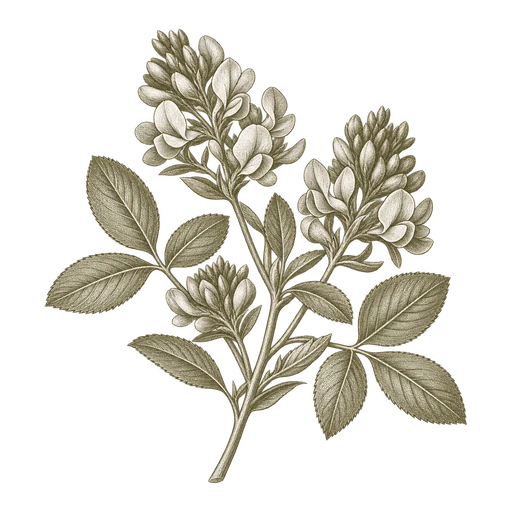
Alfalfa is a forage legume sourced as hay, silage, meal or pellets for livestock feed. Match the form to receiving and ration needs, then compare a lot-specific analysis on a consistent basis.
Explore ingredientPlan bulk rice bran receiving and storage around the product’s fat content, stabilization method, packaging and your facility’s capabilities. Full-fat and defatted bran differ in oil content, but neither form should be assigned a shelf life without product-specific guidance.
The key storage difference between full-fat and defatted rice bran is how much oil remains in the product. Full-fat bran retains more of the rice kernel’s oil; defatted bran has had much of that oil removed during processing. Because oxidation affects fats, the greater oil content in full-fat bran makes protection from air, heat and light an especially relevant storage consideration. Defatted bran contains less oil, but it is not necessarily oil-free and should not be treated as immune to rancidity.
Fat content alone does not determine how long a lot will keep. Processing, stabilization, packaging, storage conditions and time in transit also matter. Ask about the specific product rather than assuming that all full-fat or all defatted rice bran has the same storage needs.
Oxidative rancidity occurs when fats react with oxygen. Rice bran also has a separate concern: after milling, enzymes can break down oil into free fatty acids, a process associated with hydrolytic rancidity. These processes are related to product quality but are not interchangeable, so the word “stabilized” by itself does not explain what treatment was used or what storage practices are appropriate.
Rice bran may be heat-treated or otherwise processed to reduce enzyme activity, but buyers should establish the stabilization method used for the offered product and ask what handling guidance applies to that lot. Stabilization is not a reason to assume that oxidation cannot occur during storage. The remaining oil, exposure to air, storage conditions and packaging still matter.
Before discussing a shipment, determine whether your facility can receive the packaging or delivery method being considered. A site set up for bulk unloading may not be equipped to handle packaged product, and a packaged delivery still needs a designated, clean, dry receiving area. Do not assume a particular packaging option is available; describe your receiving equipment and constraints so the proposed arrangement can be evaluated.
Give the supplier or broker the quantity and unit you need, delivery destination and timing. Include any access limits, unloading requirements or receiving-hour constraints that could affect the delivery plan. These details help make the shipment discussion practical and clarify whether the proposed handling arrangement fits your site.
Plan to protect rice bran from unnecessary exposure to air, heat, light and moisture, with particular attention to full-fat material because it retains more oil. Use clean, dry storage and follow any product-specific instructions supplied for the lot. Keep the product protected from contamination and avoid leaving it exposed during transfer or handling.
Ask for the storage guidance that applies to the offered product, including whether it differs by fat content, stabilization method or packaging. Do not plan inventory around an assumed shelf life: request a product-specific recommendation and use it alongside your own receiving and stock-management procedures.
A useful shipment discussion starts with the form of rice bran you require—full-fat or defatted—and the quantity and unit. Add the destination, timing, preferred packaging or receiving method, and any facility limitations. If you have a required quality analysis or application-specific criteria, state those too; the relevant requirements can differ with how you intend to use the ingredient.
Ask the broker to clarify the stabilization method and any handling or storage recommendations for the specific lot under discussion. Confirm what product information is available and how the proposed packaging and delivery arrangement relate to your receiving setup. Price and other commercial terms depend on the particular offer and shipment details.
The [Rice Bran] page is the next step for submitting a defined sourcing requirement. Include the details above so the discussion can focus on the form, shipment and storage guidance your operation needs.
It contains less oil than full-fat bran, so there is less fat available for oxidation. It is not necessarily oil-free, however, and its storage needs still depend on processing, packaging and conditions. Request guidance for the specific product.
No fixed shelf life can be inferred from the word “stabilized” alone. Ask which method was used and what storage guidance applies to the lot. Stabilization can address enzyme activity, while oxidation of remaining fats is a separate consideration.
Specify full-fat or defatted bran, quantity and unit, destination, timing, packaging preference or receiving method, and any unloading constraints. Also ask about the lot’s stabilization method and product-specific handling and storage recommendations.
Focused guides to the specification, application, and delivery questions behind this ingredient.
How rice bran form, fiber analysis and feed processing shape its role in aquaculture diets—and why pellet water stability must be evaluated for the specific formulation.
Read this InsightCompare rice bran offers by identifying the milling fractions and reading moisture, crude protein, crude fat and fibre results on a consistent analytical basis.
Read this InsightAlfalfa is a forage legume sourced as hay, silage, meal or pellets for livestock feed. Match the form to receiving and ration needs, then compare a lot-specific analysis on a consistent basis.
Explore ingredientAlfalfa meal is ground forage used in animal feed, with sun-cured and dehydrated processing routes and meal or pellet forms. Compare the offered process, physical form and analysis against the needs of the species and feed formulation.
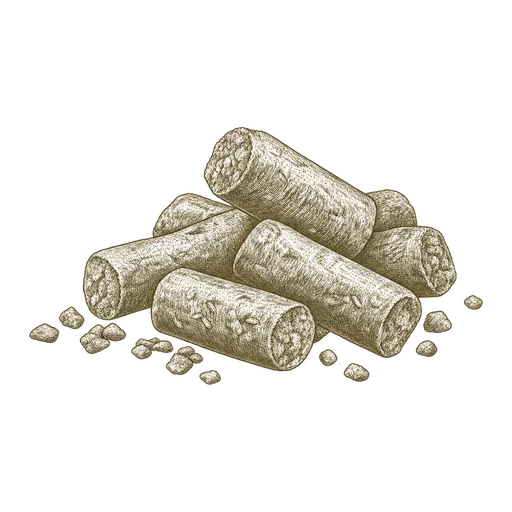
Explore ingredientAlfalfa pellets are ground, compressed forage used in livestock feeding and compound feeds. Compare the drying process, alfalfa material, forage analysis and pellet characteristics to choose a form that fits your ration and receiving setup.
Explore ingredientAlmond hulls are the dried outer layer of the almond fruit, sourced for ruminant feed as hull-only material or as a hull-and-shell mixture. Compare the lot’s composition, physical form, and handling needs before arranging a bulk shipment.
Explore ingredient