Start by defining what “pickouts” means
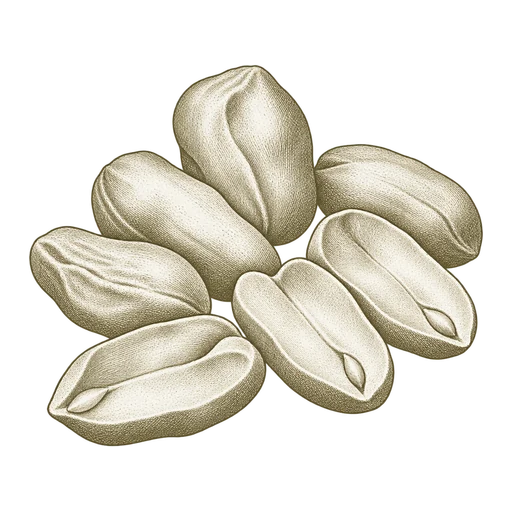
Raw peanut pickouts do not have a single uniform grade implied by the name. Lots can differ in kernel size and form, the sorting criteria used, and the amount of damaged material or foreign matter. Before comparing offers, define what the term means for the lot in question: are you buying whole small kernels, broken pieces, kernels removed during sorting, or a specified mix?
That definition matters because appearance and processing behavior change with the mix. Whole kernels and fragments will not feed or blend alike, and size variation can affect screening, portioning and finished-product consistency. If a particular size or form is important, describe it in observable terms and agree how it will be assessed.
Separate appearance and sorting from composition
Specify the condition of the kernels separately from their form. Relevant distinctions include visibly damaged or discolored kernels, broken pieces, and foreign material. Sorting removes or separates material according to chosen criteria; it does not, by itself, establish the nutritional composition or safety of a lot.
Moisture is a useful quality measure because it relates to how raw kernels are handled and stored. Nutritional analysis should match the intended use: buyers may compare measures such as protein, fat and fiber when they matter to a feed or formulation decision. Ask that results identify the lot and the basis on which the figures are reported, so comparisons do not mix unlike samples or reporting bases.
Why aflatoxin requires a representative sample
Aflatoxin cannot be reliably ruled out by looking at a peanut lot. Contamination can be unevenly distributed, so a clean-looking handful or a visual check of the kernels cannot establish a lot’s aflatoxin level. The result depends on collecting a sample that represents the defined lot and analyzing it with a method appropriate to the product and decision.
When reviewing a test report, identify the lot sampled, the sampling basis and the analytical method. Also establish what the reported result represents and how it is expressed. A result from an unspecified sample, or one that cannot be tied to the lot being purchased, offers a weaker basis for a lot-level decision.
Interpret results for the intended market
The relevant acceptance criteria depend on the intended use and market. A buyer should identify those criteria before purchase and compare the lot-specific result with the applicable requirement for that destination and use. Do not assume a limit from one market or application applies to another; any applicable threshold must be verified for the specific case.
Testing claims also need context. Ask whether the stated method and sampling plan apply to raw peanut pickouts and whether the report is tied to the lot under consideration. A test result is meaningful only in relation to its sample, method, reporting units and decision standard—not as a stand-alone number.
Build a specification that can be compared
A useful raw peanut pickouts specification brings together identity and form, size or sorting criteria, tolerances for damaged material and foreign matter, moisture, and any nutritional measures needed for the formulation. State the inspection or measurement basis for visual and physical criteria, rather than relying on an undefined description such as “clean” or “good quality.”
For aflatoxin, specify the lot-specific testing and reporting information required for your intended market. Include the destination and end use when requesting a quote, along with the required form, quantity and receiving arrangement. For sourcing and a fuller product overview, see the Raw Pickouts ingredient page.
Common questions.
Can visual inspection show whether raw peanut pickouts contain aflatoxin?+
No. Visual inspection can identify visible damage or foreign material, but it cannot reliably determine aflatoxin in a lot. A representative lot sample and suitable analysis are needed.
What should an aflatoxin test report identify?+
Check that the report is connected to the lot being considered and describes the sample basis, analytical method, and how the result is expressed. The required acceptance criteria depend on the intended use and market.
Which quality details should I specify for raw peanut pickouts?+
Define the kernel form and size or sorting criteria, acceptable damaged material and foreign matter, moisture, and any nutritional measures relevant to your use. State how physical criteria are assessed and include the aflatoxin testing information required for your destination and application.